



Vitafoods Europe 2026 live: Multi-benefit beverages revolutionizing functional drinks


Key takeaways
- Multi-benefit beverages are replacing single-claim drinks, as consumers look for combined functionality like gut health, energy, and protein in one format.
- Sugar reduction is now a baseline, pushing brands to solve taste, texture, and mouthfeel challenges without compromising the drinking experience.
- Microbiome science and GLP-1-driven nutrition are emerging as key innovation platforms shaping next-generation functional beverage development.

Functional beverages are emerging as one of the most dynamic and fast-moving categories, as the global wellness market continues to evolve. No longer limited to fortified juices or protein shakes, today’s formulations are blending hydration, nutrition, and targeted health benefits — from gut support to cognitive performance — into convenient, everyday formats.
This convergence of function and lifestyle is reshaping how consumers approach health, shifting demand toward products that deliver tangible benefits with functional ingredients, without compromising on taste or experience.
Against this backdrop, Vitafoods Europe 2026 (May 5–7) in Barcelona, Spain, is providing a key platform for ingredient suppliers and solution providers to showcase the next wave of innovation in the functional beverages space.
From advances in bioavailability and sugar reduction to the growing use of botanicals and microbiome-supporting ingredients, companies are using the event to highlight how F&B beverage innovators are responding to increasingly sophisticated consumer expectations.
From added benefit to everyday essentials
Food Ingredients First speaks to several key players in the functional beverage space who are innovating well beyond hydration, exploring how evolving consumer demands are driving a new generation of drinks with targeted health benefits.
The growth of functional beverages is being seen across various categories, and the shift from single-benefit products to multi-functional formulations is emerging as one of the most notable changes in the category.
While functional claims are expanding, aspects like sugar reduction are now a consumer expectation. Meanwhile, microbiome-focused solutions are expected to play a central role in category growth.
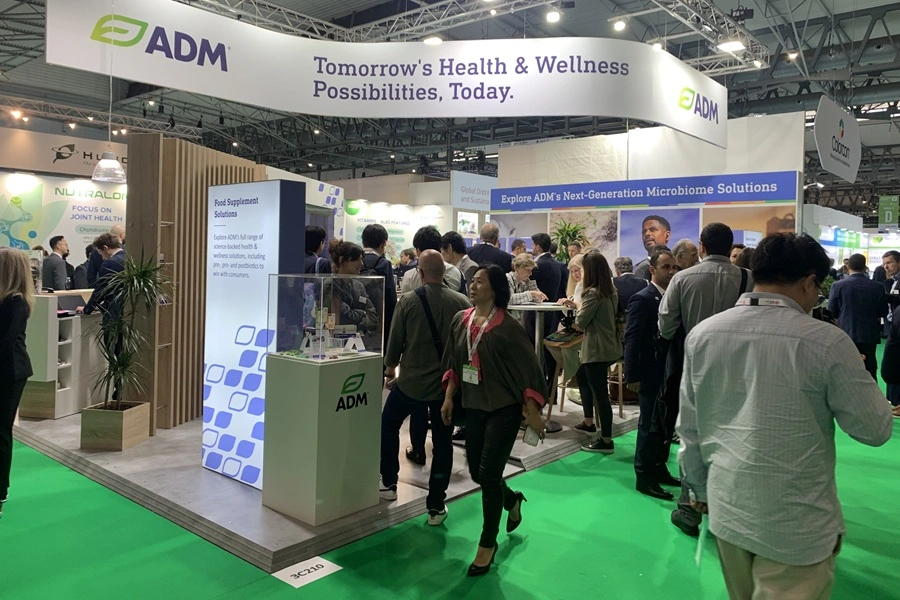 ADM is showcasing concepts like Esflorin postbiotic in instant coffee and a protein and biotics breakfast shake at Vitafoods Europe 2026.“Consumers are increasingly demanding health and well-being benefits from their food and beverages. Markets have responded by adding new functional benefit claims, such as gut, immunity, and mental health. Consumers are also increasingly educating themselves on the benefits of using their food and beverages to support long and active lives. This brings functional beverage benefits into the mainstream,” Jacqueline Finegan, senior category manager for Health at Symrise, tells Food Ingredients First.
“The strongest demand that we see in the market relates to beverages addressing the energy gap, the immune system, and brain and nervous function,” she notes.
Jochen Heininger, VP for Global Category Marketing, Beverage, at ADM, says consumers are paying more attention to product labels, favoring drinks featuring less sugar and sodium, reduced calories, and made with recognizable ingredients.
Global consumer insights from ADM show 83% of those surveyed are trying to avoid or minimize sugar intake, and 50% are cutting calories. At the same time, 69% of global consumers are adding fiber, and 66% are adding protein to their diet.
“Hydration is another important area, for both everyday wellness and active nutrition categories. Interestingly, powdered formats like stick packs are gaining popularity, especially with energy and sports nutrition formulas. These portable, pre-portioned servings offer convenience, a longer shelf life, and less packaging,” says Heininger.
“Digestive health and improving hydration and energy are a few key priorities for global consumer wellness. These trends are translating into beverages with the evolution of targeted lifestyle drink offerings, like prebiotic fiber and probiotics in carbonated soft drinks that put the ‘fun’ in functional, delivering on flavor while positioning products in line with growing consumer interest in gut health.”
Hydration-focused beverages with electrolytes, performance, or recovery-oriented functionality are also emerging to meet the needs of consumers with active lifestyles.
ADM is showcasing concepts including Esflorin postbiotic in an instant coffee powder, a breakfast shake with protein and biotics, and a functional “Sip of Wellness” at Vitafoods Europe.
Cutting sugar, enhancing protein and fiber
Meanwhile, Ingredion is showcasing stevia-based sugar reduction solutions in beverage and dairy applications, supporting cleaner labels and the plant-based appeal many shoppers prefer.
Sue Bancroft, director for Healthful Solutions EMEA at Ingredion, flags how brands are being challenged to deliver protein, fiber, and added benefits in reduced sugar formats that still offer familiar texture, balanced sweetness, and high drinkability.
“As consumption occasions expand throughout the day, consumers are gravitating toward beverages with lighter texture, balanced sweetness, and high drinkability, rather than overly sweet or heavy formats.”
“With reduced sugar growing as a baseline expectation, brands need to be more intentional about integrating functionality and sensory performance early in formulation, rather than treating them as add-ons. Our research shows more than 36% of consumers are prioritizing sugar-reduction claims when choosing packaged foods and beverages,” Bancroft says.
Making the most of multiple beverage benefits
Bancroft points out that a single claim on the label is no longer enough. Consumers are increasingly looking for multiple benefits in one product.
 The functional beverage market is shifting toward multi-functional formulations, with strong demand for drinks addressing energy, immunity, and brain function.As a result, Ingredion is seeing single-claim beverages losing relevance compared with more holistic propositions, such as protein combined with sugar reduction or digestive health.
“In beverages, those benefits only land if the texture feels familiar, smooth, and enjoyable,” she says.
Tackling formulation challenges
Overcoming formulation hurdles in functional beverage innovation is another part of the equation. This can include issues like maintaining mouthfeel, enhancing flavor, as well as supporting solubility and stability.
Clémence Boutin, application manager for Health at Symrise, notes how stability presents a major challenge because the ingredients bringing the “functionality” need to be active and bioavailable through the beverage’s shelf life.
Symrise addresses this with encapsulation technologies, adaptation of heat treatments, and protective packaging characteristics. “Also, we see powdered beverages as a rising format, which allows better stability given the low water activity,” Boutin tells Food Ingredients First.
“Another major challenge comes from taste. Many active ingredients bring bitterness, astringency, or undesirable flavors. This requires specific masking work in order to reach a suitable taste profile. We offer the advantage of producing both health actives and flavors to bring technologies together for great tasting functional solutions.”
On the issue of bitterness, Heininger explains how ingredients like botanical extracts and plant-based proteins might introduce bitterness, earthiness or lingering off-notes, grittiness, separation or sedimentation challenges. Higher inclusion levels can intensify these sensory challenges, requiring careful flavor modulation to balance the taste experience.
“Additionally, clear protein systems in energy drinks and carbonates might cause aroma shifts over shelf life, as well as other solubility, stability, and efficacy hurdles,” he says.
While for Bancroft at Ingredion, the main challenge is balancing reduced sugar, added functionality, and sensory performance within a single beverage.
“Protein and fiber can affect clarity, stability, and texture, while removing sugar also removes body and masking that consumers are used to. Addressing this complexity requires an integrated approach, where sweetness, texture, and stability are considered together early in development rather than adjusted later. This helps brands deliver a consistent, enjoyable drinking experience while meeting functional goals.”
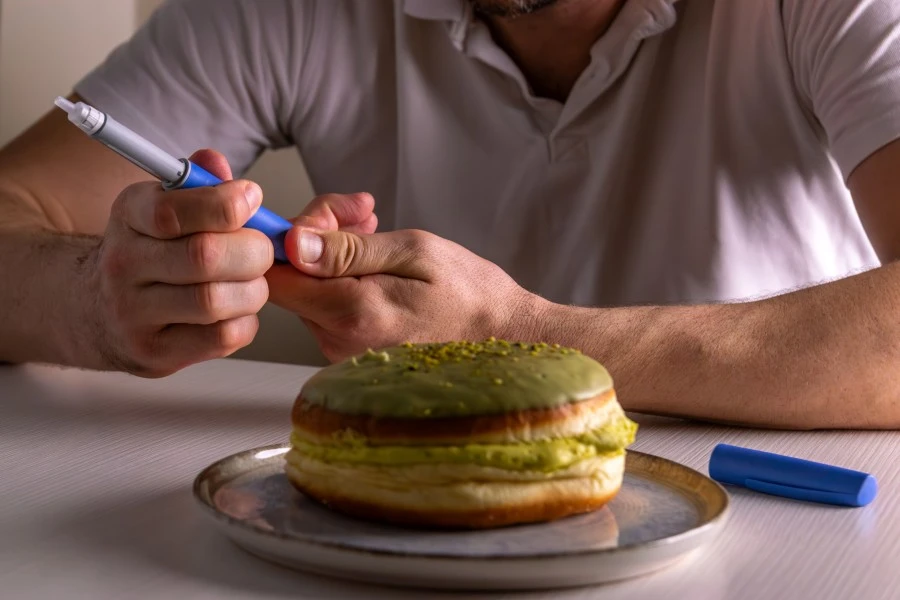 As GLP-1 medication use rises, demand is growing for beverages that are lower in sugar, sodium, and calories, while offering higher protein, digestive support, and enhanced hydration or satiety benefits.
Future of functional beverages
As functional beverages continue their shift into the mainstream, the category’s success will increasingly depend on delivering multiple health benefits in formats that meet everyday expectations for taste, texture, and convenience.
“Biotics (across pre, pro, and post biotics) will continue to dominate the growth in functional beverages in the years ahead,” notes Finegan at Symrise.
“This gets driven by discoveries in metabolic pathways and ingredients with functionalities in the gut axes. New science around biotic ingredients and product matrix stability will assist in this growth.”
“Mental health and calm well-being is a key driver for the growing area of non-alcoholic functional beverages. This will drive the growth of nootropics.”
New AI discovery technologies are also expected to help uncover naturally occurring active ingredients, such as polyphenols and peptides.
Alicia Humpert, global marketing director for Microbiome at ADM, says that as functional beverages continue to take prominence in shoppers’ carts, the company anticipates more products will incorporate postbiotics “for their innate stability, and support for multiple areas of well-being.”
“The heat-treated postbiotics in ADM’s portfolio have the resilience to withstand harsh formulation conditions, such as high-heat or high-water content, and they do not require refrigeration, making them suitable for virtually any beverage application.”
GLP-1-focused functionality in beverages
Notably, the new era of weight loss medication is branching out into functional beverages, as more people use GLP-1 injections and are prone to losing muscle as part of the appetite-suppressant’s effects on the body. A GLP-1 friendly diet requires less food, but more nutrients from every meal or snack.
“As more people start using GLP-1 medications, there is a growing need for beverages with lower sugar, sodium, and calories, higher protein levels to support muscle health, digestive support to address common side effects, as well as hydration and/or satiety support,” says Humpert.
“One clinical study’s results demonstrate that consuming 10 grams of Fibersol with a meal may increase the appetite-regulating hormone GLP-1 as part of a normal physiological response in healthy individuals. Additionally, when taken at doses of 4–6 grams with each meal, Fibersol may help reduce blood sugar levels that are within the normal range in healthy individuals after a meal.”