


Schouten harnesses fiber tech for high-protein, plant-based chicken fillet


Key takeaways
- Schouten Europe unveils a plant-based fillet using fiber technology to offer a meat-like texture with improved nutritional benefits.
- The product reduces environmental impact through efficient fiber texturization, requiring fewer processing steps than traditional methods.
- The launch responds to the growing demand for sustainable and high-quality meat alternatives.
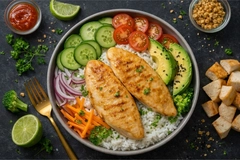 (All image credits: Schouten Europe).
Schouten Europe has launched a plant-based fillet using its fiber technology, offering a “firm, meat-like texture” to chicken alternatives with lower processing. The innovation allows manufacturers to create recognizable shapes that mimic traditional meat cuts, using a 3D-shaping process, boosting consumer appeal.
The product boasts a Nutri-Score A rating, with a high content of protein and fiber to meet growing consumer demand for nutrient-rich foods.
While the F&B industry experiences a surge in demand for high protein content, including within the meat alternatives category, Schouten’s launch also responds to the growing demand for fiber in consumer diets, with trends like “fibermaxxing” and gut health gaining traction, particularly on social media.
The juicy alt-protein fillet with a “light, chicken-like color” can be used in hot applications and chilled formats in marinated variants. Manufacturers can also fortify it with iron and vitamin B12, says the Dutch family business.
The launch comes amid a rise in meat substitute sales in the EU market in the past five years, according to Innova Market Insights. The market researcher projects a 6% CAGR in the sales and volume of meat alternatives in Europe by 2027.
Replicating chicken’s texture
To develop the plant-based fillet, Schouten uses texturization — a process that transforms protein into a fibrous structure that resembles meat.
“Our plant-based fillet is built around a carefully engineered fiber structure that recreates the natural, fine texture you find in chicken,” Mark van Noorloos, head of marketing at Schouten Europe, tells Food Ingredients First.
While conventional methods of developing meat substitutes typically use only texturization methods, Schouten creates a “more refined and evenly distributed fiber network” to create its fillet.
“This results in a tender, consistent bite, setting it apart from many traditional plant-based products,” Noorloos explains.
 Schouten’s R&D team developed the plant-based chicken fillet using a 3D-shaping technology that creates recognizable meat-like shapes for enhanced consumer appeal.
Lowering environmental impact
Most plant-based meat alternatives use texturized vegetable protein or extrusion to mimic the texture of meat. However, scientific research suggests that some methods like high-moisture extrusion — which use heat and pressure to obtain the texture of animal meat — can be energy-intensive and may offset some of the environmental advantages associated with plant-based meat alternatives.
Schouten describes the conventional texturization process as one requiring “relatively high energy input,” with texturized ingredients often produced outside Europe.
Noorloos emphasizes that Schouten’s fiber technology achieves the desired meat texture more efficiently and uses “fewer intensive processing steps compared to some traditional methods.”
“In addition, our approach allows us to streamline the use and sourcing of raw materials, helping to reduce transport movements in the supply chain. This contributes to a lower overall environmental footprint while still delivering on quality and eating experience.”
Internal analysis by the plant-based protein specialist finds that meat substitutes can offer a potential environmental impact reduction of nearly 10–30%, depending on product formulation and supply chain.
Fiber’s potential in meat alternatives
Schouten, established in 1990, calls itself the “first” Dutch company to develop meat alternatives based on plant-based proteins. The company supplies its extensive meat alternatives portfolio in over 50 countries, mainly under private label, while also developing specifically customized solutions for manufacturers.
By leveraging fiber technology, the company is advancing its alt-meat innovations further.
“We see strong potential to scale this fiber technology across a wider range of plant-based applications,” Noorloos tells us.
“It gives us the flexibility to develop new textures and formats that meet evolving market demands. We expect it to play a key role in the continued growth and diversification of plant-based foods.”



Upcoming webinars

Oat-Standing Ingredients - Showcasing Irish Grain Through Innovation
Tirlán Ingredients

2027 Food Safety Risks for Quality & Compliance Leaders
FoodChain ID

Formulating for function: Developing benefit-led beverages with natural colours, botanicals, and flavours
Givaudan Sense Colour