


Pernod Ricard and Brown-Forman explore merger to strengthen global spirits portfolio


Key takeaways
- Pernod Ricard and Brown-Forman are in discussions about a potential merger, though no deal has been confirmed yet.
- The spirits industry faces challenges like declining consumption, rising costs, and oversupply, prompting companies to seek mergers.
- Pernod Ricard is investing heavily in non-alcoholic spirits with products like Beefeater 0.0% and Seagram’s 0.0%, while Brown-Forman has not yet ventured into non-alcoholic whiskey.
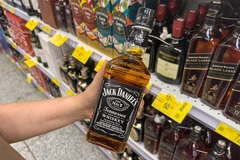
Pernod Ricard has confirmed that it is in discussions to merge with whiskey rival Brown-Forman. If agreed, and subject to customary approvals, the combined company would create a global spirits leader with enhanced global scale, amid a mix of structural and economic pressures affecting the global alcohol market.
The downturn in spirits companies’ revenue is not driven by a single factor but by a convergence of behavioral, economic, and structural trends. These include falling consumption, shifting tastes, rising costs, oversupply, and market headwinds — creating one of the most challenging periods in recent alcohol industry history.
Industry leaders like Pernod Ricard and Brown-Forman may consider merging or consolidating to strengthen their positions in this increasingly competitive and challenging market. A merger would enable them to combine resources, streamline operations, and diversify their portfolios, providing better access to emerging markets and a broader consumer base.
Additionally, consolidation could allow for more efficient supply chains, reduced marketing costs, and increased bargaining power with retailers, helping them weather economic challenges and continue to drive long-term growth.
Pernod Ricard and Brown-Forman: A merger of equals
Pernod Ricard said in a statement, “This partnership would be akin to a merger of equals, drawing from the talent and expertise of both companies, and creating value for shareholders of both companies.”
“The contemplated combination would create a global spirits leader with enhanced scale, a powerful brand portfolio, and a balanced geographic footprint, all anchored by two iconic families. Operational synergies would be significant, leveraging Brown-Forman’s iconic brands, including Jack Daniel’s, and Pernod Ricard’s global distribution strength and exposure to the highest growth potential markets.”
However, it added that there can be no assurance that any agreement will be reached. Pernod Ricard does not intend to communicate further until an agreement is reached or discussions are terminated.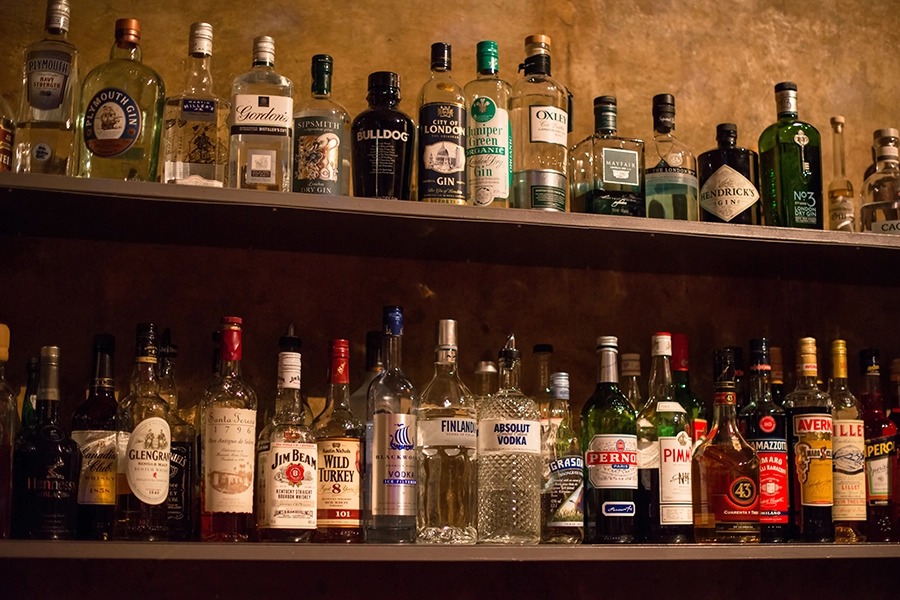 Pernod Ricard and Brown-Forman eye a game-changing merger to dominate the global spirits market.
M&A activity in the spirits industry
Food Ingredients First recently explored how and why the global alcohol industry is in structural retreat, as global consumers continue to drink less. Producers are scrambling to reformulate beverage R&D and regain their falling profits. The World Health Organization puts global alcohol consumption down 12% between 2010 and 2022.
In recent years, the spirits sector has seen a mix of strategic acquisitions and portfolio swaps, as companies adapt to slower growth and shifting consumer tastes.
In 2025 there were several notable moves: Pernod Ricard acquired full ownership of South African gin Inverroche, Diageo exchanged North American rights to Cîroc vodka to take majority ownership of Lobos 1707 tequila, and Tito’s Vodka made its first acquisition with Lalo Tequila. These were among other smaller spirits deals, showing a focus on premium and high‑growth categories.
Pernod Ricard and Brown-Forman have significant whiskey portfolios. Pernod Ricard owns brands like Jameson Irish Whiskey, Chivas Regal, and Ballantine’s, while Brown-Forman is known for Jack Daniel’s, Woodford Reserve, and Old Forester.
Both companies focus on premium and luxury spirits. For instance, Pernod Ricard’s The Glenlivet and Brown-Forman’s Woodford Reserve target similar high-end whiskey drinkers. Falling consumption and rising costs push the spirits industry toward strategic mergers and consolidation.
No-alcohol spirits investments
Meanwhile, spirits companies are investing in non-alcoholic alternatives to meet the rising demand for health-conscious consumption. As Spirits Europe tells us, “Distillers are leveraging their expertise in flavor extraction, botanicals, and blending to develop high-quality alternatives that meet evolving expectations around taste and experience.”
Non-alcoholic options are “expanding the category by creating additional consumption occasions and appealing to consumers who may otherwise opt out.”
Pernod Ricard has made significant moves in the non-alcoholic spirits space, launching products like Beefeater 0.0% and expanding its range with other alcohol-free options, such as Seagram’s 0.0%. These moves reflect its strategy to cater to the growing demand for mindful drinking.
On the other hand, Brown-Forman has not prominently ventured into the non-alcoholic whiskey market, with no notable releases of alcohol-free versions of its flagship brands like Jack Daniel’s to date.


Upcoming webinars
Oat-Standing Ingredients - Showcasing Irish Grain Through Innovation
Tirlán Ingredients

2027 Food Safety Risks for Quality & Compliance Leaders
FoodChain ID
Formulating for function: Developing benefit-led beverages with natural colours, botanicals, and flavours
Givaudan Sense Colour