


Tehran’s “toll booth” in Hormuz cuts Western buyers out of fertilizer supply chain


Key takeaways
- Iran is charging vessels up to US$2 million to transit the Strait of Hormuz under a formalized vetting regime, with no cargoes reaching the US or Europe.
- Urea prices have surged 68%, a quarter of US farmers lack fertilizer for spring planting, and the FAO projects fertilizer costs could rise 15–20% in H1 2026.
- The Gulf’s dominance of global sulfur exports and China’s new export restrictions are closing off alternative supply routes for ingredient buyers.
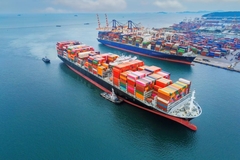
The Strait of Hormuz crisis has entered a new phase. Four weeks after Iran effectively closed the waterway to commercial shipping, the disruption is no longer a temporary blockade — Tehran is threatening to build a permanent transit fee and vetting system that could reshape how fertilizer reaches global markets, with significant implications for food ingredient input costs.
Fertilizer prices have already moved sharply. The benchmark urea contract price for May 2026 has surged 68% since the conflict began, closing at US$681 per metric ton on March 19, according to the National Corn Growers Association’s market analysis. Fitch Ratings has raised its 2026 ammonia and urea price forecasts by approximately 25%, signaling that markets expect the disruption to persist well beyond the current planting season.
Since the war began in late February, the situation has worsened on multiple fronts. Iran’s Islamic Revolutionary Guard Corps is now operating a formalized corridor through its territorial waters, vetting ships by nationality, ownership, cargo, and crew before granting passage. At least 26 vessels have transited the strait under this system, according to Lloyd’s List Intelligence, with at least two paying fees in Chinese yuan via a Chinese maritime intermediary.
Iranian lawmaker Alaeddin Boroujerdi confirmed on the nation’s state media that vessels are being charged up to US$2 million per transit, describing it as a new “sovereign regime” in the waterway. Iran has reportedly listed recognition of its sovereignty over the Strait of Hormuz as one of five conditions for ending the war, and its parliament is drafting legislation to formalize the tolls. No cargoes transiting under this system have been destined for the US or Europe.
A “systematic shock” to food systems
FAO chief economist Máximo Torero, speaking at a UN press briefing on March 26, describes the disruption as “not only an energy shock” but “a systematic shock affecting food systems globally.”
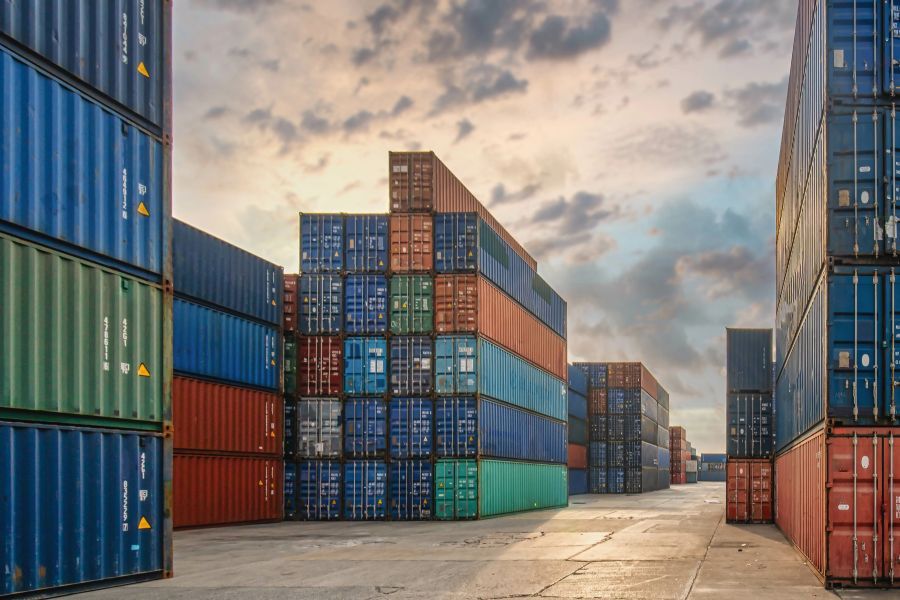 Traffic through the Strait of Hormuz has fallen 97% since February, with nearly 2,000 vessels stranded on both sides of the waterway.S&P Global reports just 116 transits between March 1–25 — down 97% compared with February. International Maritime Organization secretary-general Arsenio Dominguez told Al Jazeera that nearly 2,000 ships are waiting on both sides of the strait.
For food ingredient procurement teams, the implication is stark — even a partial reopening on Iran’s terms does not restore predictable supply. When the crisis began in early March, the disruption was a general logistics and pricing shock. With the introduction of selective transit fees and national vetting, the blockade has created a new geopolitical market where access to Western-bound cargoes is cut off.
Fertilizer shortages: US “national security issue”
NCGA’s latest market analysis shows the May 2026 Gulf FOB urea contract closed at US$681 per metric ton on March 19 — up US$276 per ton from the end of February. At current prices, it takes 145 bushels of corn to buy a ton of urea, compared with roughly 125 bushels at the height of the 2022 Russia-Ukraine fertilizer shock — a worse ratio despite lower absolute prices, because corn is trading at around US$4.70 per bushel versus US$8 in 2022.
US agriculture secretary Brooke Rollins told reporters that about a quarter of American growers have yet to secure fertilizer supplies for the upcoming season, calling the crunch a “national security issue.”
The USDA projects it will cost US$917 per acre to plant corn in 2026, leaving the average grower facing a roughly US$150-per-acre loss before the conflict even began, according to NCGA economist Gretchen Kuck.
Fifty-four agricultural groups have now written to President Trump urging action. Matt Frostic, a Michigan farmer and NCGA first vice president, said during a March 18 press briefing that many producers did not lock in fertilizer prices ahead of the crisis. “There will tend to be a lot of producers out there that have not locked in that price, so we’re going to be a victim to the high cost of fertilizer,” he says.
Sulfur squeeze and shrinking alternatives
The sulfur supply crisis created by the blockade is also being flagged as a critical food security threat by the FAO. Torero confirms that the Gulf accounts for nearly half of global sulfur trade — a critical input for converting phosphate rock into plant-available fertilizer.
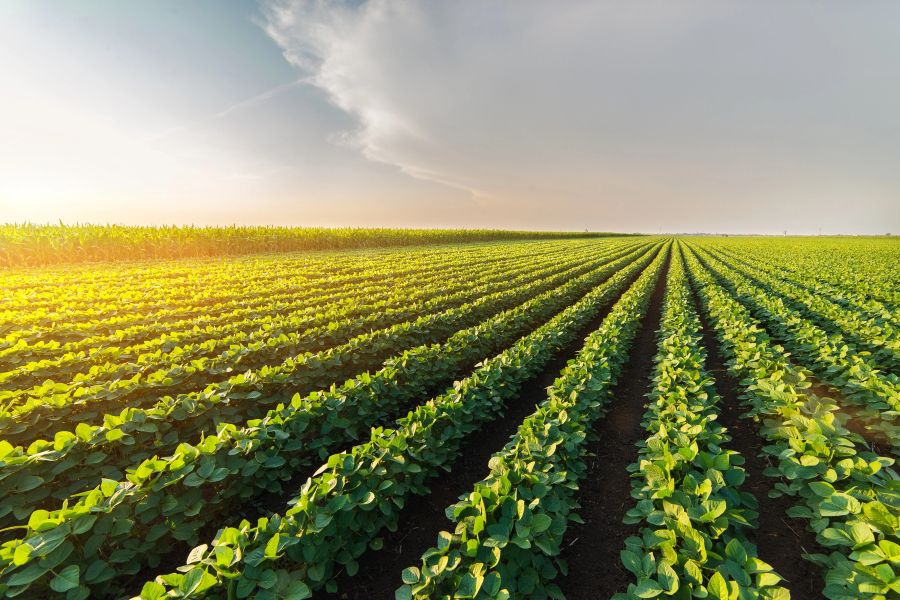 Urea prices have surged 68% since the conflict began, with a quarter of US farmers yet to secure fertilizer supplies ahead of spring planting.The Fertilizer Institute’s data shows that “high-risk” countries, including Saudi Arabia, Bahrain, the UAE, Kuwait, and Qatar accounted for approximately 41% of global sulfur exports in 2025, with Iran contributing a further 4%.
Alternative routes are narrowing. China has imposed restrictions on fertilizer exports to protect its domestic market, according to Reuters, while TFI data shows that Russian urea already accounted for 47% of US nitrogen imports by mid-2025 — up from 29% a year earlier — leaving fewer fallback options if that supply is also disrupted. Veronica Nigh, chief economist at the Fertilizer Institute, told NPR that even after the strait reopens, “it will likely take months to straighten out the fertilizer supply chain.”
What this means for food ingredient costs
The FAO projects that global fertilizer prices could average 15–20% higher in the first half of 2026 if the crisis persists. Under a medium-term disruption scenario of three months or longer, the organization anticipates reduced yields for fertilizer-intensive crops, substitution toward nitrogen-fixing crops, such as soybeans, and increased competition from biofuel production as higher oil prices stimulate demand for agricultural feedstocks.
Torero says farmers worldwide face “a dual cost shock: more expensive fertilizers alongside rising fuel costs affecting the entire agricultural value chain, including irrigation and transport.”
The disruption extends beyond crop inputs. Fitch Ratings notes that Europe and Asia rely on the Middle East for 10–20% of their polyethylene and polypropylene — materials central to food packaging — and warns that a three-month closure could pose “material threats” to chemical sector credit profiles. The Kiel Institute for the World Economy’s modelling projects welfare losses of up to 5.49% for the most vulnerable import-dependent economies.
The Fertilizer Institute’s assessment that normalization will take months even after the strait reopens echoes the FAO’s warning that global planting decisions for 2026 and beyond are at risk. For ingredient buyers, H2 2026 crop yields and raw material costs are being shaped by procurement decisions made — or deferred — in this window.



Upcoming webinars

Oat-Standing Ingredients - Showcasing Irish Grain Through Innovation
Tirlán Ingredients

2027 Food Safety Risks for Quality & Compliance Leaders
FoodChain ID

Formulating for function: Developing benefit-led beverages with natural colours, botanicals, and flavours
Givaudan Sense Colour