


Fi Asia Indonesia 2026 ties ingredient innovation to factory-floor realities


Key takeaways
- Regional processing briefs are shaped by humidity, uneven cold chains, and demand for convenient foods.
- Enzymes can improve processing without major capital investment, while functional starches can protect texture and stability.
- Local pilot facilities and customer-specific formulation support can shorten the path from concept to commercial production.
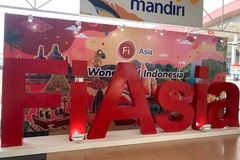
At Fi Asia Indonesia 2026, suppliers emphasized that ingredient performance depends on every stage of a product’s journey, from manufacturing and storage to cold-chain distribution and final preparation.
Southeast Asian manufacturers are trying to improve yield, stability, and convenience while working through hot, humid conditions and uneven infrastructure — pressures closely connected to ingredient-led shelf life extension and food waste prevention.
Biology without a new factory
Novonesis develops biosolutions — primarily enzymes and microbial cultures — to improve food processes and products. Adam B. V. Diggle, head of food and beverage biosolutions for Southeast Asia at Novonesis, argues that their practical advantage is how they can fit into an existing line.
“When you adapt the biosolutions into your production process, it’s actually fairly straightforward,” he tells Food Ingredients First. “You don’t necessarily need heavy CapEx investments as you do for many other technologies.”
The constraints are time and temperature. The enzyme or culture needs a suitable point in the process to act. In plant-based drinks, the function changes with the raw material.
 Novonesis says biosolutions can improve processing without requiring heavy capital investment.“You can’t make oat-based beverages without having enzymes in there to break down the oat components,” Diggle says. “For soy-based beverages, we focus on improving the quality of the final product by reducing sediment and graininess.”
Novonesis also showed solutions aimed at preventing plant-based beverages from curdling in coffee and improving their foaming behavior. Diggle places those technical gains within a wider shift in demand.
“When consumers start to have more money in their pockets, they also look for more convenience, and they’re willing to pay a premium for it,” he says. “That also means you can start to advance both the taste and texture profiles of the products.”
Ambient yogurt is one example. It can reach consumers where refrigerated distribution is limited, then give way to chilled and more specialized health-positioned products as cold chains and incomes develop.
Making convenience feel freshly cooked
Thailand-based SMS Corporation highlighted modified and waxy tapioca starches for noodles, sauces, frozen foods, snacks, and meat products. Its target is not convenience alone, but a convenient product that behaves more like freshly cooked food.
“We try to provide a similar texture in the instant product to the fresh-cooked product,” Bandit Ritbamrung, regional sales manager at SMS, tells us. “Our modified starch can provide a soft, chewy texture, so we can meet customer expectations.”
Waxy tapioca starch carries a higher price than conventional alternatives, but Ritbamrung says manufacturers should assess its cost across the complete formulation.
“Tapioca starch has a cleaner taste or neutral taste compared to other starches,” he says. “In formulation, this starch can help reduce the artificial flavor doses.”
SMS is also developing modified starch systems to replace higher-cost ingredients, such as gelatin and sodium caseinate, in selected applications. That is the kind of functional product the company believes can justify longer-distance exports more readily than commodity starch.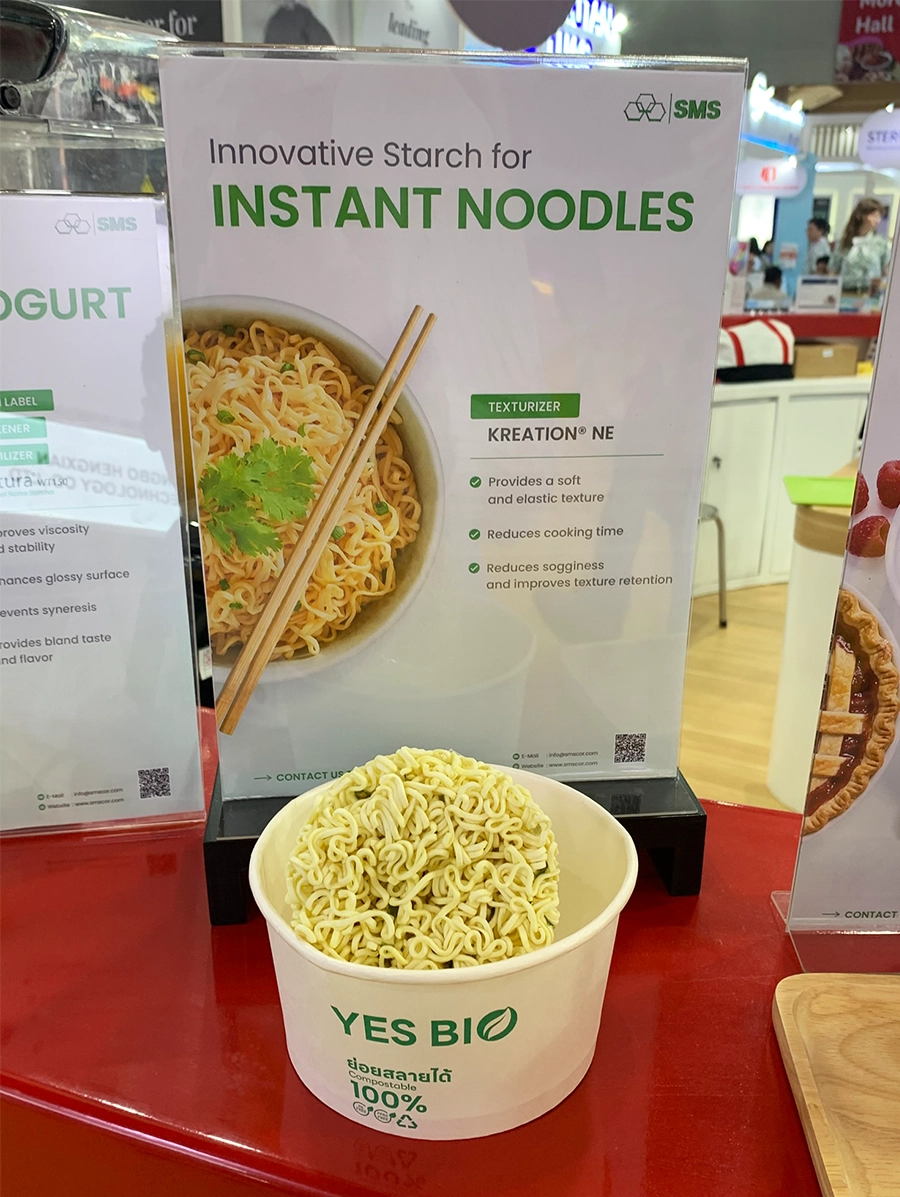 SMS uses modified tapioca starch to bring instant foods closer to freshly cooked textures.
Designing whey powders for demanding climates
Lactalis Ingredients, the dairy ingredients business of Lactalis Group, focused on what the regional climate can do to a powder before it reaches the recipe.
“The hot and humid climate in Southeast Asia can create challenges for dairy powder storage and handling, particularly due to moisture absorptions, which may result in caking and reduced flowability,” says Elodie Robino, export commercial director for Africa, Asia, and the Middle East at Lactalis Ingredients.
The company showed its Flowhey high-flowability whey powders, which are produced using controlled lactose crystallization.
“This optimized crystallization minimizes caking risk and ensures consistent handling, storage stability, and processing performance even under demanding environmental conditions,” Robino explains.
A pilot line close to the market
Specialty ingredient distributor and formulator IMCD emphasized local trial work. Jeremia Kevin, APAC technical manager at IMCD Indonesia, says its application labs bring local taste and market knowledge into development. Meanwhile, regional pilot facilities test how a formula behaves under more realistic processing conditions.
“Through our UHT and meat application pilot labs, we help customers accelerate development by producing prototypes and concepts under real manufacturing conditions, but at a smaller scale,” Kevin says. “This enables faster optimization of both processes and formulations.”
The work is especially relevant to fortified beverages, where fibers, vitamins, and proteins can create sedimentation or instability during heat treatment and storage. It can also expose cost savings through yield, shelf life, or process optimization before a manufacturer scales up.
Localization remains sensory as well as technical. IMCD’s matcha cupcakes with red bean cream and ube cupcakes with vanilla cream illustrated the industry’s wider push to scale distinctive regional flavors without flattening the experience.
Custom formulation shortens development
Ingredion highlighted the need for faster, more focused formulation as manufacturers respond to shifting expectations around affordability, health, clean labels, and texture.
“Our customers need to act fast,” Raymond Deidrick, vice president and general manager for Texture and Healthful Solutions for ASEAN and Texture Solutions food lead for APAC, tells Food Ingredients First. “The pace of change is only accelerating.”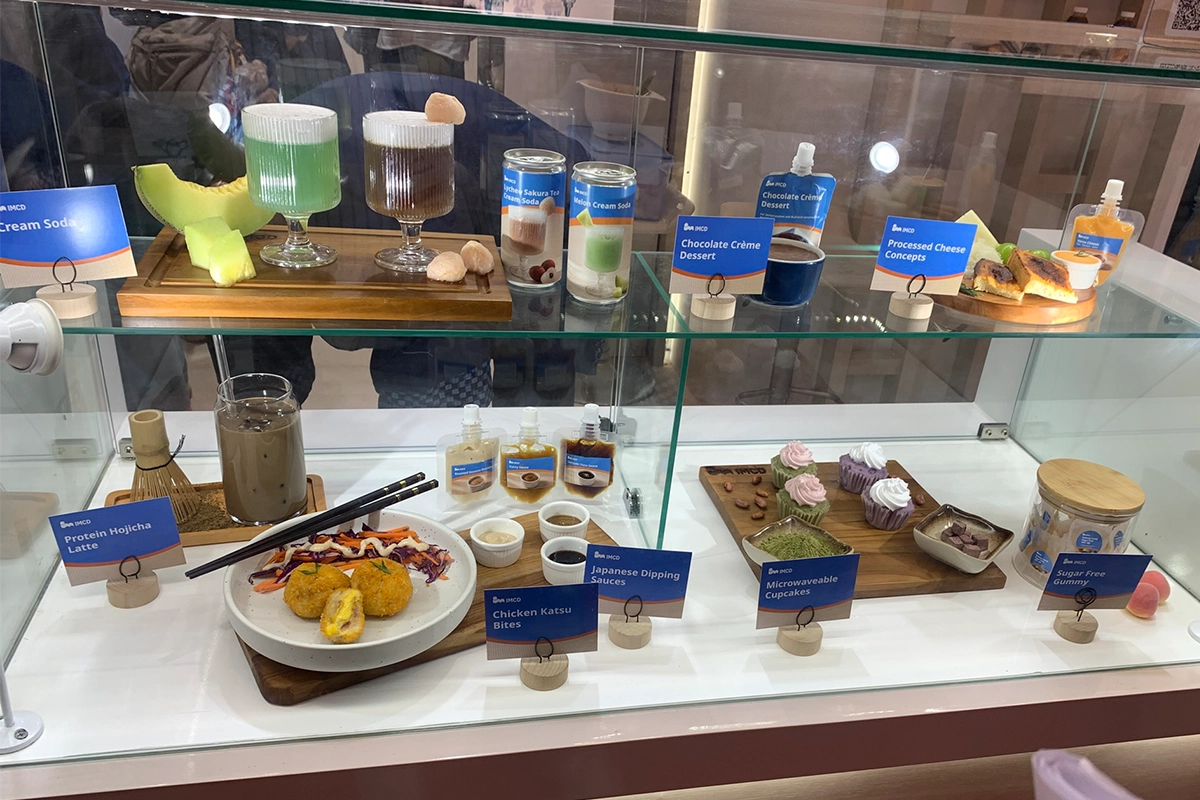 IMCD’s pilot facilities test formulations under realistic manufacturing conditions before scale-up.
Ingredion works with customers to establish their priorities before formulation begins. Deidrick explains that affordability generally leads in Indonesia, although premium brands may place greater emphasis on nutrition or texture.
“Customers want a lot of things. They want products to be cheaper. They want them to have a more indulgent texture. They want them to be healthier.”
Defining those priorities early allows technical teams to concentrate trials on solutions that meet the required price, labeling, and sensory targets.
As our show-floor interview with Ingredion explored, this whole-recipe approach can shorten the path from a customer brief to a commercially viable formulation.