


Gochujang gains ground as Givaudan, Kerry and McCormick scale regional flavors


Key takeaways
- Gochujang’s complex flavor drives new interest in sauces, snacks, and ready meals.
- Familiar formats help introduce regional flavors while preserving their culinary identity.
- Ingredient selection and processing technologies support consistent flavor at commercial scale.
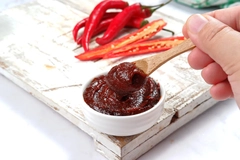
Gochujang, za’atar, berbere, and tamarind are opening formulation opportunities across sauces, snacks, and ready meals, according to Kerry, McCormick & Company, and Givaudan. However, manufacturers must preserve their distinctive characteristics while balancing processing demands, cost, labeling, and supply security.
John Gaylon, senior research chef at McCormick, tells Food Ingredients First that gochujang is generating particular momentum.
“Gochujang is generating some of the strongest customer interest because its combination of heat, sweetness, umami, and fermented notes gives developers a lot of flexibility across savory applications. Tamarind is also exciting because of its sweet-sour profile, while za’atar, berbere, and lemongrass each bring their own distinct herbal, spice, and aromatic notes.”
Melissa Muldowney, global director for Savoury Taste at Kerry, points to the company’s 2026 Taste Charts.
“In the US, gochujang launches grew 120% over the previous 12 months, while Korean gochujang ranks as the second fastest growing flavor in Europe’s Meat & Meals chart.”
Innova Market Insights data shows that global F&B launches featuring za’atar recorded a CAGR of 23% between July 2021 and June 2026, followed by gochujang (22%), berbere (17%), and tamarind (12%).
Meanwhile, Antoine Bily, director for Culinary Naturals and Ingredients at Givaudan, sees changing expectations for spicy foods.
“In the past, hot and spicy innovation was mainly about increasing heat levels. Today, consumers expect more multidimensional flavor experiences, combining heat with smoky, fermented, tangy, or savory notes for greater depth and authenticity.”
The next wave of spice
Gaylon highlights Alfredo sauces as one route for introducing gochujang to consumers.
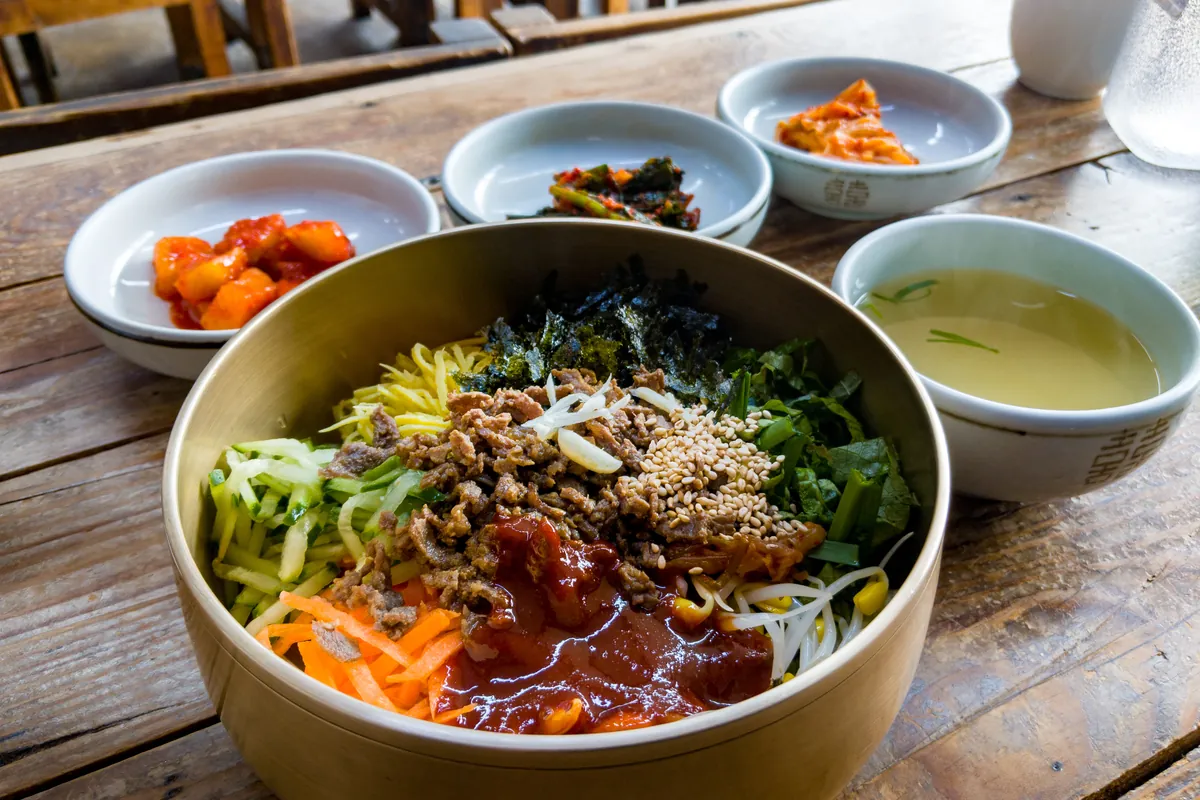 Regional flavors are finding new applications in sauces, snacks, and ready meals.“Alfredo, for example, has had spicy variations for decades now, and new iterations with gochujang are starting to pop up because of the depth it brings. Gochujang is the next wave of spice, and we’re seeing it in sauces, marinades, and prepared meals. Za’atar works well in snacks, dips, and seasonings because of its herbal, citrus, and nutty notes.”
Muldowney suggests an 80:20 balance of familiarity and discovery to help consumers approach less familiar flavors. However, she cautions against overlooking their origins.
“There is also a responsibility to avoid reducing a regional cuisine to one fashionable ingredient. We try to understand the broader culinary context around a flavor and work with the balance, techniques, and ingredients that give it meaning.”
Application choice determines which characteristics developers emphasize. Meals and sauces allow complexity to build, while snacks need a more immediate impact, she explains.
“Snacks are different. The flavor often has to communicate very quickly, so you have to be much more disciplined about which parts of the profile you amplify,” says Muldowney.
She also highlights that tamarind offers possibilities in beverages.
“Depending on how it is handled, it can feel refreshing, rich, tart, or almost caramelized, which gives developers quite a lot of creative space across soft drinks, adult-style beverages, and other flavor-forward formats.”
Choosing ingredients for industrial production
Givaudan’s Bily says choosing between ground spices, extracts, oleoresins, essential oils, and seasoning blends requires culinary, technical, and sourcing expertise.
“The choice is generally a balance between flavor performance, cost efficiency, security of supply, and preferred labeling requirements. We also consider the final application, processing conditions, and shelf life expectations to ensure the solution performs consistently at industrial scale while delivering the desired taste experience.”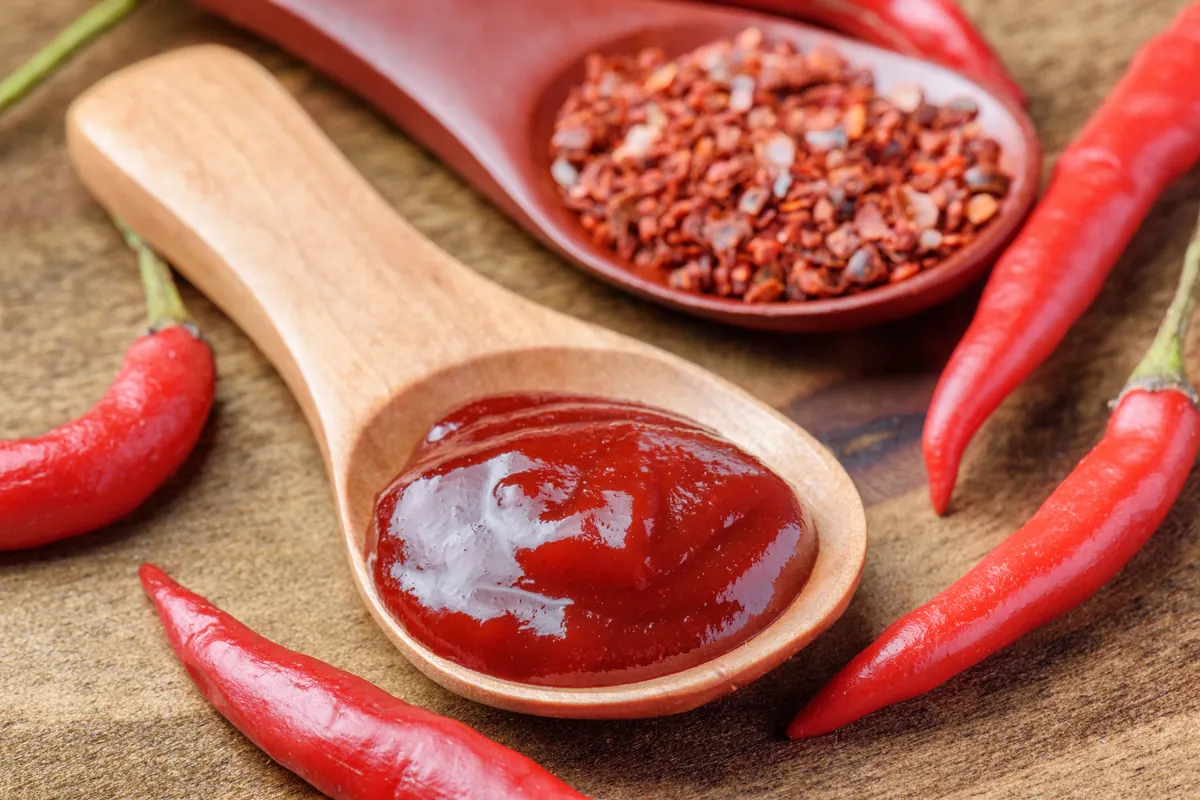 Gochujang offers heat, sweetness, and fermented depth.
Givaudan develops powder and liquid solutions, with application teams supporting customers through scale-up. Bily identifies high temperatures and moisture as challenges for powder performance, while sensory evaluation helps assess the finished product.
Furthermore, Muldowney stresses that flavor cannot be considered separately from the surrounding formulation.
“Heat processing can change aromatic top notes. Fat can carry some flavor compounds and suppress others. Acidity can completely change how a spice or botanical is perceived.”
“That means understanding the product matrix, processing conditions, pH, fat level, shelf life, and the other ingredients around the flavor. Sensory science is critical because it allows us to track how the profile changes over time and understand where adjustments are needed to maintain balance and consistency.”
McCormick starts by identifying a flavor’s defining traditional characteristics, then uses seasoning and flavor technologies to reproduce them at scale.
“We take flavor very seriously for our customers and consumers, and we have different encapsulation technologies that allow us to protect flavor during processing,” says Gaylon.
Bily also identifies opportunities in plant-based products, fortified beverages, and confectionery. Earlier this year, Givaudan discussed masking astringency and protein off-notes, highlighting another formulation consideration when developing flavored, fortified products.
Commercializing regional flavors
Scaling regional ingredients also requires reliable sourcing. Bily points to climate change, geopolitical tensions, and energy challenges as pressures on supply chains. Givaudan pursues long-term, diversified sourcing, often within the region it serves.
“We also invest in extraction technologies that maximize the use of raw materials while reducing environmental footprint. Combined with our application expertise, this helps ensure regional ingredients can be scaled efficiently while maintaining flavor quality, performance, and supply security.”
Commercial success ultimately depends on consumers returning to the product, says Gaylon.
“Social media and cultural relevance can create that first wave of excitement, but when a flavor becomes recognizable, approachable, and something people seek out again, that’s when it starts to move into the mainstream.”