


Fermented foods: Health drives interest but taste keeps consumers coming back

Key takeaways
- Fermentation supports health-focused innovation while maintaining the taste and texture that encourage repeat purchases.
- Cultures and enzymes help manufacturers reduce sugar, simplify recipes, and improve high-protein formulations.
- Familiar formats broaden fermented foods’ appeal, while shelf life stability and clear health communication remain essential.

Fermentation is helping food manufacturers pursue gut health, higher protein, and simpler recipes while developing the tastes and textures that encourage repeat purchases. From cultured dairy and plant-based alternatives to Korean condiments, industry experts aim to turn interest in fermentation into products consumers enjoy eating every day.
Food Ingredients First speaks with Danone, Novonesis, and Daesang about how cultures shape sensory quality, where fermented ingredients can support reformulation, and why familiar formats matter when introducing new flavors. We also discuss probiotic stability, responsible health communication, and the practical demands of scaling production.
“There shouldn’t have to be a trade-off between health and enjoyment. A product can have compelling nutritional benefits, but if consumers don’t enjoy the taste, they’re unlikely to make it part of their everyday diet,” a spokesperson at Danone tells us.

Cultures shape the eating experience
Danone identifies gut health and high-protein nutrition as strong drivers of innovation within its fermented dairy portfolio. Its Activia Kefir combines Activia live culture strains with kefir yeasts in a blend of 16 strains.
Culture selection also gives the company a way to develop sensory properties alongside nutritional characteristics.
“Drawing on our collection of more than 1,900 strains, we can select and combine cultures according to the characteristics we want to deliver in each product. Different strains can influence acidity, flavor, and texture, while factors such as fermentation time and temperature are carefully controlled to achieve the desired sensory profile,” says the spokesperson.
Frederik Mejlby, vice president for marketing, F&B, at Novonesis, sees similar priorities among manufacturers.
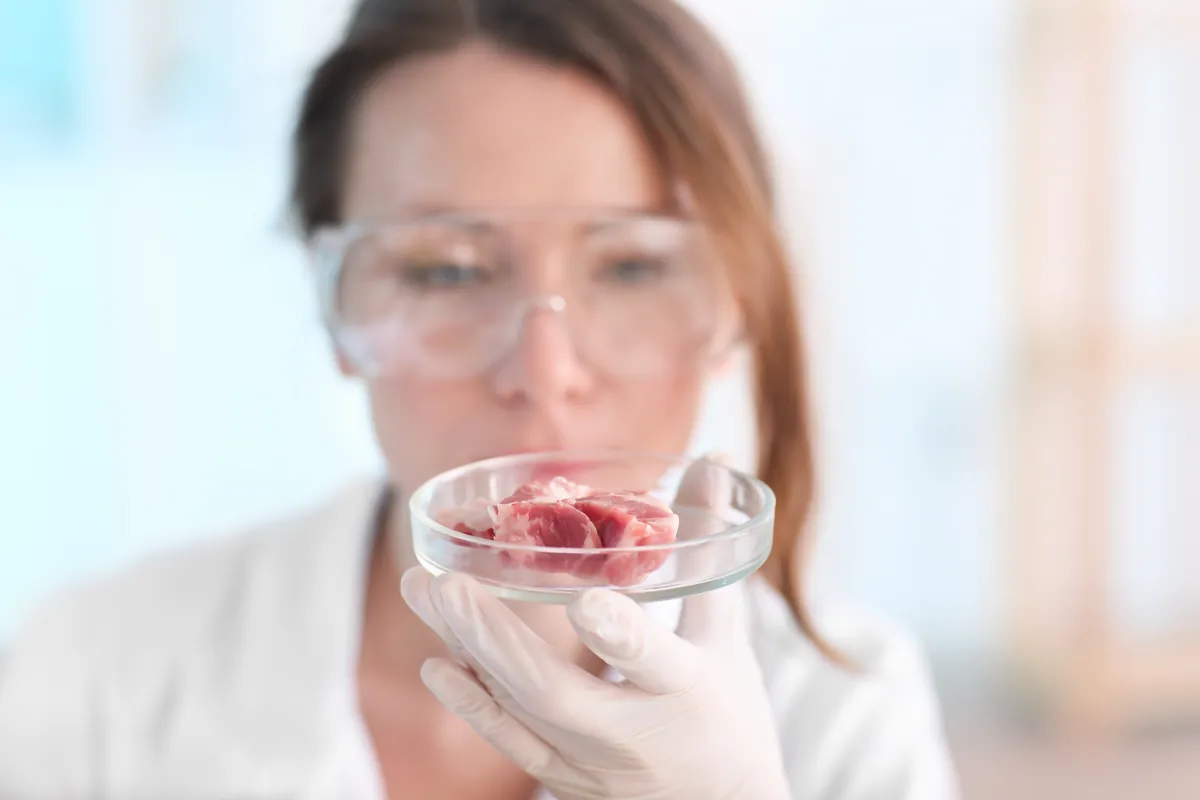 Cultures help manufacturers develop fermented foods with appealing taste, texture, and nutritional characteristics.“In dairy, for example, we see strong interest in cultures for high-protein and lower-sugar products, while in plant-based products, manufacturers are looking for solutions that can build texture through fermentation and support simpler recipes.”
He says cultures offer flexibility to create dairy products ranging from mild and creamy to more aromatic, while enzymes can help resolve formulation problems.
“Combining cultures with other biosolutions gives manufacturers additional possibilities to solve formulation challenges. For example, specific enzymes can work alongside cultures to enhance texture and help address challenges such as excessive thickness, particularly in high-protein dairy.”
On the Fi Asia Indonesia 2026 show floor, Novonesis’ Adam B. V. Diggle, head of food and beverage biosolutions for Southeast Asia, explained how enzymes and microbial cultures can help manufacturers unlock more value from raw materials.
Novonesis recently expanded its North American dairy culture fermentation capacity by 66%.
Earlier this month, Innova Market Insights published its top ten F&B trends for 2027, with “Ferment Forward” being among these trends. Ancient fermentation has become a modern platform for flavor, function, and food technology — spanning tradition, gut relevance, and next-gen ingredients.
Reformulating through fermentation
For Mejlby, fermentation offers a route to shorter ingredient lists by developing qualities during production that might otherwise require additional ingredients.
“By using microorganisms to develop qualities such as flavor, texture, and stability during production, fermentation can reduce the need to rely on additional ingredients to achieve the same result.”
Danone also sees opportunities to support sugar reduction through sensory development.
“By influencing acidity, flavor, and the overall sensory profile of a product, fermentation can support reformulation and help to progressively reduce added sugars while maintaining a taste consumers enjoy. In France, for example, we have reduced the sugar content of the original Actimel recipe by 28% since 1998.”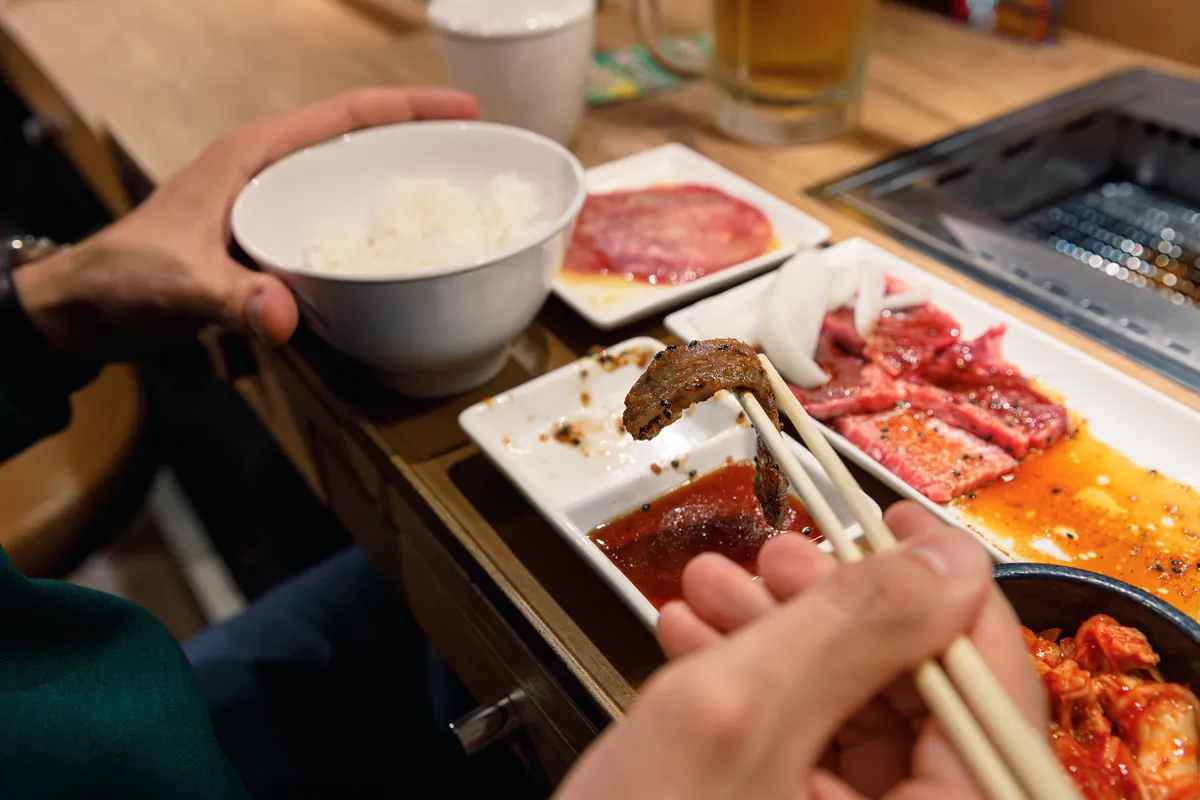 Familiar formats, such as sauces and condiments, bring fermented Korean flavors into everyday meals.
Danone is also exploring precision fermentation as another means of producing proteins alongside dairy- and plant-based sources. However, moving laboratory developments into reliable industrial production remains a challenge.
“Good science is the starting point, but it also has to translate into something that works for consumers and can work at scale,” says the spokesperson.
The company’s participation in the recently inaugurated Biotech Open Platform addresses that challenge. The French facility supports fermentation, purification, and bioprocess development to help move ingredients toward commercial production.
Familiar formats, new flavors
For Daesang, growing recognition of kimchi and gochujang is creating opportunities to bring fermented Korean ingredients into everyday foods.
“Fermented ingredients offer a depth and complexity that can be difficult to achieve with individual seasonings. Gochujang combines chili heat with savory depth, sweetness, and umami, while kimchi develops its distinctive balance of acidity, spice, and savory notes through fermentation,” says a Daesang spokesperson.
“Small amounts can add complexity to marinades, dressings, sauces, and prepared foods.”
“We see strong potential in familiar, everyday products where consumers already understand how to use them. Condiments, marinades, dressings, and convenience foods offer accessible ways to introduce the distinctive flavors of kimchi and gochujang without requiring consumers to change their cooking habits.”
Daesang is also adapting its kimchi portfolio to different preferences. Its Jongga US range includes cucumber kimchi, alongside milder and alternative vegetable varieties.
“The opportunity lies in making these ingredients more accessible without losing the traditional flavor and character that makes them distinctive,” adds the spokesperson.
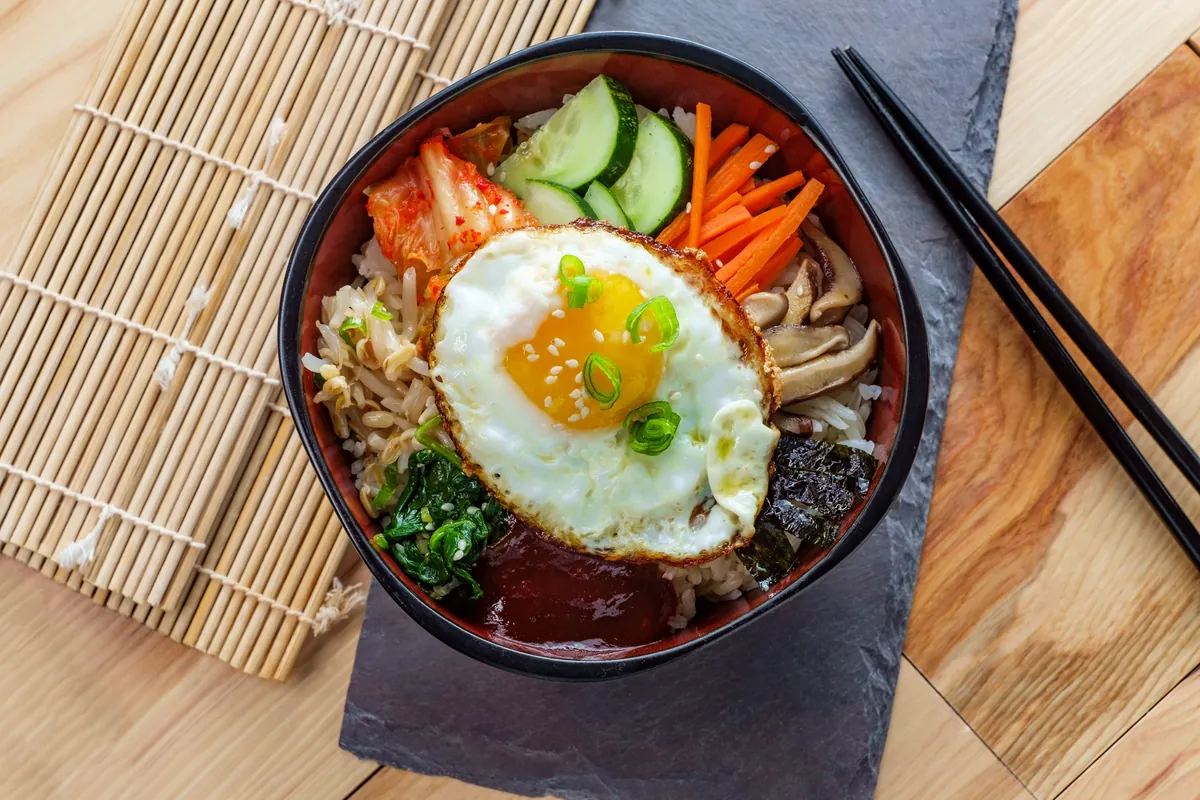 Korean fermented staples add acidity, umami, and complexity to familiar dishes.Meanwhile, Innova data shows a 15% increase in F&B launches with kimchi flavor from October 2021 to September 2026.
Shelf life and health expectations
Delivering consistent products requires different approaches depending on the format. Daesang’s ambient kimchi undergoes fermentation followed by controlled heat treatment to extend shelf life while retaining its characteristic flavor.
“Fermentation is a naturally variable process, so maintaining consistent flavor and quality requires careful management of acidity, texture, fermentation conditions, and product stability throughout production,” says Daesang’s spokesperson.
For products containing probiotics, maintaining activity through shelf life is a separate formulation priority, explains Novonesis’ Mejlby.
“The cell count per serving needs to be delivered at the same level used in the clinical studies supporting the strain’s health benefit.”
Novonesis offers Nu-trish solutions containing Lactobacillus rhamnosus GG and Bifidobacterium animalis subsp. lactis BB-12 as individual strains or blends with starter cultures. Mejlby also points to ProSilience HU58 as a solution designed for greater stability during processing and longer shelf life, supporting applications beyond traditional dairy.
Meanwhile, Daesang cautions that consumer interest in gut health should be accompanied by clear communication about individual products.
“However, it is important to distinguish between fermentation as a traditional food production process and specific health benefits, which can vary depending on the product, processing methods, and formulation,” the spokesperson says.
That distinction leaves flavor and usability central to the category’s longer-term appeal, according to the South Korean food and biotech company.
“Although health interests may initially encourage consumers to explore fermented foods, flavor, quality, and versatility are ultimately what make these ingredients part of everyday eating habits.”