

Nestlé USA: Benefit stacking, texture and zest to shape F&B innovation in 2027

Key takeaways
- Protein is becoming a baseline as consumers seek added benefits such as fiber, probiotics, and collagen.
- Nestlé USA expects zesty flavors, fruit-forward coffee, and more region-specific cuisines to shape 2027 innovation.
- Texture, inclusions, and premium sensory cues are increasingly driving perceived value and indulgence.

US consumers are increasingly expecting F&B products to deliver multiple benefits alongside stronger flavor and sensory experiences, with protein alone no longer enough to differentiate products, Nestlé USA’s 2027 trend forecast reveals.
The food giant expects benefit stacking, more regionally specific flavors, and increased expectations around texture and indulgence to increasingly drive manufacturers’ formulation strategies.
Nestlé USA’s 2027 Food and Beverage Trend Forecast is based on a mix of internal consumer foresight and external market and behavioral data. The company cites its reach into 98% of US households, giving it a broad view of changing consumer behavior.
“We track thousands of early signals across conversations every year, and only a handful become meaningful trends,” says Linh Phillips, director of Consumer Insights & Foresight at Nestlé USA.

She emphasizes that for consumers, value has become personal.
“Consumers are defining what’s ‘worth it’ on their own terms — whether that means more flavor, a specific benefit, or an experience that feels made for them.”
For ingredient suppliers and manufacturers, the trend forecast points to differentiation coming from combining benefits rather than simply maximizing individual attributes.
Protein-plus innovation rises
“Protein&,” a trend coined by Nestlé USA, reflects its expectation that high protein is becoming a baseline rather than a differentiator in itself.
“What changes in 2027 is that high protein stops being a standalone ‘protein-maxxing’ goal,” the company says.
 Protein quality and added functionality are becoming more important in product development.Instead, consumers are increasingly pairing protein with other benefits, such as fiber, probiotics, and collagen. Google search data cited by Nestlé shows searches combining protein with probiotics increased by 300% year over year, with collagen 190%, and with fiber 150%.
Top F&B trends tracked by Innova Market Insights also identify protein and fiber as leading nutrient priorities in North America. Its 2026 research indicates that 54% of US and Canadian consumers are actively incorporating more protein into their diets.
For manufacturers, this shift creates opportunities to combine protein enrichment with digestive health and healthy aging positioning rather than relying on protein content alone.
Nestlé also links the trend to the expanding use of GLP-1 medications in the US. Morgan Stanley projects nearly 30% of the obese or diabetic US population could be treated with GLP-1 therapies by 2035, up from about 6% in 2025.
This aligns with Innova’s Top 10 Trends for 2027, which highlights nutrient density, protein quality, and metabolic health as key formulation priorities.
Zesty flavors gain ground
Nestlé predicts growing interest in what it calls “zesty” profiles built around ingredients such as yuzu kosho, calamansi, sumac, chile citrus and, dill. Searches for “zesty foods” have risen 130% year over year, according to Google Trends data.
Meanwhile, sour category sales have climbed 309% since 2022.
Innova identifies emerging citrus as a major innovation area, with yuzu increasingly appearing in beverages alongside Southeast Asian citrus varieties such as kalamansi and kumquat.
Nestlé describes zest as a bright, sharp, and lively experience, arriving as “citrus zip and herbaceous tang,” in yuzu kosho, calamansi, sumac, and chile citrus.
For manufacturers, the trend could create opportunities across sauces, seasonings, snacks, and beverages, where acidity and aromatic ingredients can provide intensity without simply increasing chili heat.
Fruit moves into coffee
Nestlé also sees fruit-forward coffee moving further into the mainstream products in 2027. The trend will be particularly driven by younger consumers treating coffee as a platform for experimentation.
 Gen Z interest in iced coffee is creating opportunities for fruit-forward and unexpected flavor combinations.The company highlights combinations ranging from yuzu americanos, matcha, and blueberry lattes to banana-inspired coffee beverages.
Fruit experimentation is also appearing in products including matcha.
Innova’s US research finds growing Gen Z interest in iced coffee and notes that limited editions and novel flavors can help brands engage younger drinkers. At a global level, Innova has also highlighted fruit-flavored coffee alongside matcha, mushroom, and turmeric lattes as formats intriguing consumers beyond traditional coffee.
Nestlé cites its natural bliss Caramelized Banana Bread Creamer and Coffee mate Coconut Crème Liquid Coffee Creamer as examples of ingredients manufacturers can use to tap into these trends.
Regional flavors deepen
Nestlé USA’s trend analysis also points to generic international positioning may also become less compelling as consumers grow increasingly familiar with global cuisines.
It predicts greater emphasis on named regions, preparations, and signature ingredients, describing the shift as moving from the country level to the “zip code.”
Innova’s research also says regional and ethnic flavors have increased in popularity by more than 10% over four years, with East and South Asian cuisines particularly influential.
For product developers, this could shift flavor briefs away from broad concepts, such as “Asian” or “Mexican,” toward regional ingredients, named cooking styles, and more specific culinary stories.
Texture drives differentiation
Nestlé USA’s final trend talks about consumers seeking small additions that make products feel more rewarding, such as unusual textures and premium flavor cues to toppings, inclusions, and visual differentiation.
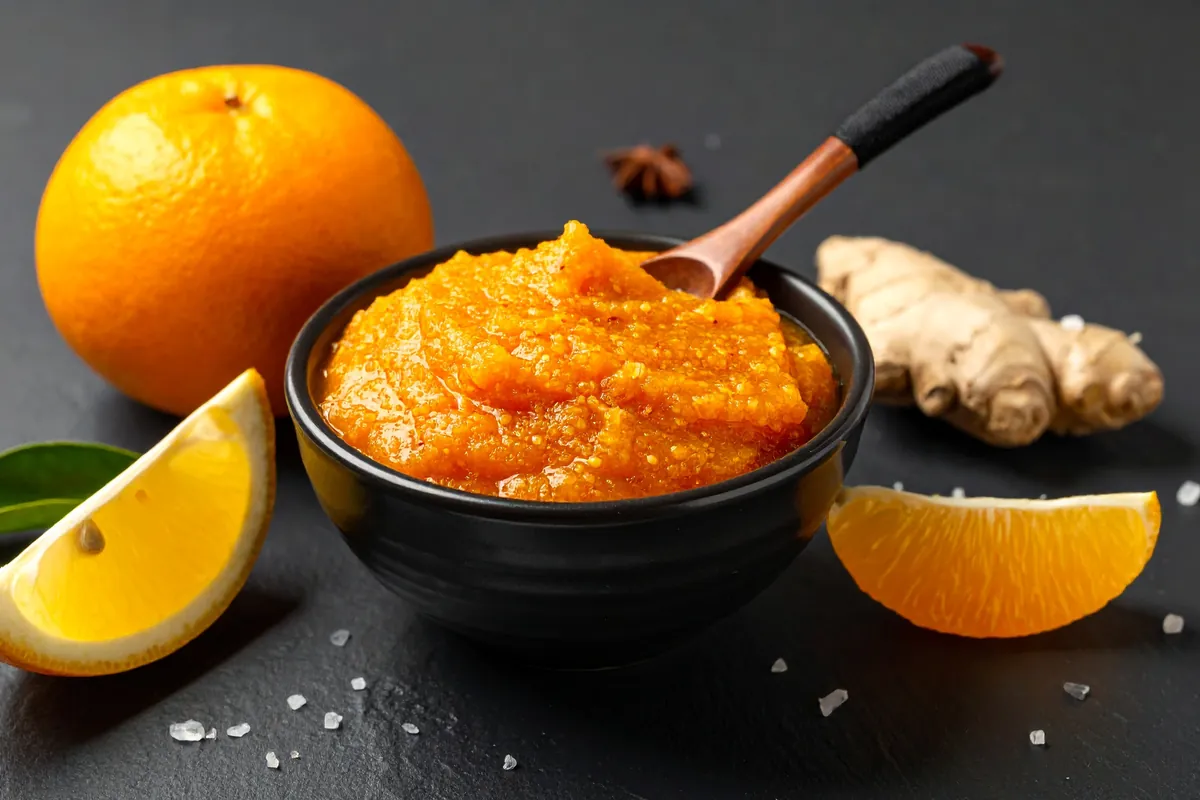 Ingredients such as yuzu kosho, calamansi, and chile citrus are gaining relevance in flavor innovation.Innova’s research points in the same direction. Sixty percent of US and Canadian consumers say they want to explore new things when indulging, while 26% of Gen Z consumers identify playful or surprising combinations as something they seek from indulgent experiences.
This trend opens up innovation opportunities in texturizers, inclusions, coatings, sauces, and processing technologies for developing layered experiences for consumers.
Nestlé USA promotes its innovations, including DiGiorno Premium Pepperoni Wood Fired Style Crust Pizza, Nestlé Toll House Remix Brown Butter Chocolate Chip Refrigerated Cookie Dough, and Nestlé Toll House Milk Chocolatey Flavored Snowflake Morselsas, as some of the products catering to this trend.
Multifunctional innovation accelerates
Nestlé USA’s forecast reflects wider shifts already tracked by Food Ingredients First, including protein and fiber “benefit stacking,” GLP-1-driven demand for nutrient density, and growing interest in multisensory experiences and more specific regional flavor profiles.
Ingredients and concepts such as gochujang, ube, and za’atar are also gaining traction as brands seek greater authenticity and differentiation.
“The next chapter of food and beverage will be shaped by consumers who expect more from every choice they make,” Phillips says.