




EIT Food identifies key drivers of food biotech acceptance in Europe
Key takeaways
- Consumers are cautiously open to food biotechnology when it offers clear benefits and credible safety evidence.
- Health, taste, affordability, and convenience outweigh novelty and sustainability claims alone.
- Transparency, fair access, and independent oversight are essential to building long-term trust in biotech-driven food innovation.

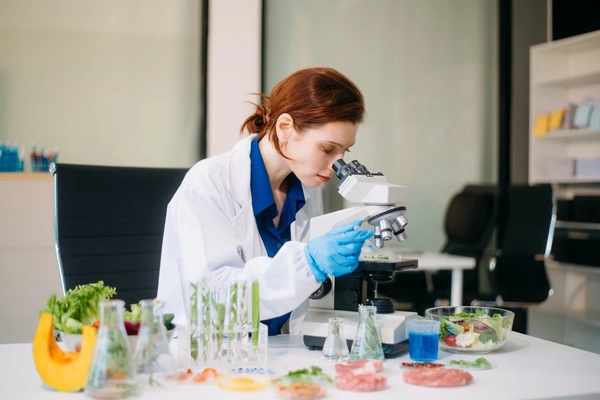
Consumers are cautiously open to biotechnology in food production, but its acceptance will depend on tangible benefits, evidence of safety, and trust in how innovations reach the market, according to new research from the EIT Food Consumer Observatory.
The report titled, “Building trust in biotech-driven agrifood futures: A consumer-centered strategic foresight roadmap for Europe in 2040,” explores how consumers view emerging food technologies and what conditions could make biotechnology more widely accepted over the coming years.
Published ahead of World Futures Day on December 2, the study suggests that consumers are neither categorically opposed to nor enthusiastic about biotechnology. Instead, their attitudes depend on the specific application, its perceived benefits, and the transparency of the companies and institutions developing it.
The findings are based on a seven-stage foresight exercise involving 32 consumers from 17 European countries, conducted between July 16–31.
Everyday benefits matter more than novelty
Health, taste, affordability, and convenience emerged as more important drivers of consumer interest than technological novelty or sustainability claims alone.
Participants identified improved nutrition, greater food security, climate resilience, more efficient resource use, and reduced animal suffering as potential benefits that could justify biotechnology-derived food products.
However, the research found that consumers’ willingness to embrace innovation varied depending on how closely an application aligned with familiar food practices.
Technologies perceived as less disruptive tended to generate greater confidence than unfamiliar approaches.
“Consumers are not asking whether biotechnology is simply good or bad. They are asking what problem it solves, whether the benefit is meaningful to them, and whether they can trust the way the innovation is developed, regulated, and brought to market,” says Klaus G. Grunert, professor of marketing at Aarhus University and lead of the EIT Food Consumer Observatory.
The findings suggest that manufacturers and technology developers may need to focus less on promoting the science behind an ingredient or process and more on explaining what it delivers to consumers.
Safety concerns and food culture remain barriers
Despite their openness, participants raised concerns about the potential long-term health effects of biotechnology-derived foods, their perceived unnaturalness, and the possibility of losing traditional food practices.
Trust also extended beyond individual products. Participants questioned whether the growing role of biotechnology could increase corporate concentration, restrict consumer choice, or create unequal access to innovation.
Smaller manufacturers, farmers, and local producers were also identified as groups that could risk being left behind if the benefits of technological development were concentrated among larger businesses.
The future of food
When considering a possible food system in 2040, participants welcomed the prospect of healthier, more sustainable, and resilient food production. However, they were less receptive to a future perceived as overly artificial, technology-dependent, or disconnected from food culture and enjoyment.
For food manufacturers, this highlights the importance of balancing technical performance and nutritional improvements with taste, affordability, and familiarity.
Transparency and choice central to building trust
The report argues that consumer confidence cannot be established through marketing and communication alone. Instead, trust needs to be built into the development, regulation, and commercialization of food biotechnology.
Participants highlighted independent safety evidence, transparent production processes, clear labeling, and traceability as important conditions for acceptance. They also emphasized affordability, fair governance, and opportunities to influence how food technologies are developed.
The findings build on previous EIT Food Consumer Observatory research into attitudes toward emerging food technologies, including precision fermentation, which has generated both consumer curiosity and unanswered questions.