


UC Davis finds ingredient-level avocado oil dilution in processed foods survey

Key takeaways
- A newUC Davis study finds that 89% of avocado oil–labeled processed foods are inconsistent with authentic avocado oil.
- The researchers measured fatty acid and sterol fingerprinting against Codex ranges, and tested that against frying and emulsification effects.
- The researchers point out that ingredient-level oil authenticity is an under-monitored gap, that may need to be addressed by new supply-chain regulatory standards.
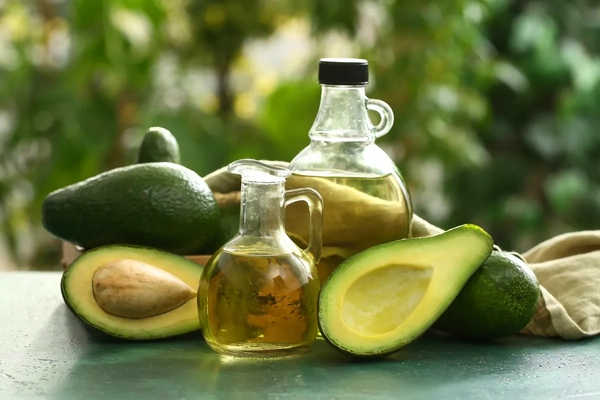
Researchers at the University of California, Davis (UC Davis), US, report that many commercially processed foods labeled as “made with avocado oil” contain a lipid fraction inconsistent with the authentic ingredient. The researchers emphasize that the findings reveal ingredient-level oil authenticity in processed foods, presenting a distinct regulatory challenge.
Published in Applied Food Research, the study systematically evaluated the authenticity of avocado oil and olive oil used as the sole declared edible oil ingredient in finished processed foods, rather than in bottled oils sold directly to consumers.
The researchers extracted oil from 74 commercial chips, mayonnaise, and salad dressing products purchased in California and online during 2025 and 2026. They then measured fatty acid and sterol profiles against Codex Alimentarius reference ranges.

The results show that 89% of avocado oil–labeled products showed compositional patterns inconsistent with authentic avocado oil. Conversely, olive oil–labeled products, largely met the standards.
“Consumers are increasingly paying a premium for products made with avocado oil or olive oil,” says the study’s lead author, Selina Wang, a professor of cooperative extension in the UC Davis Department of Food Science and Technology.
Olive oil holds
According to the authors, the inconsistency rate was highest in chips, where 26 of 28 avocado oil–labeled products, or 93%, failed the combined fatty acid and sterol criteria. All 12 avocado oil salad dressings were classified as inconsistent, along with 10 of 14 mayonnaise products (71%).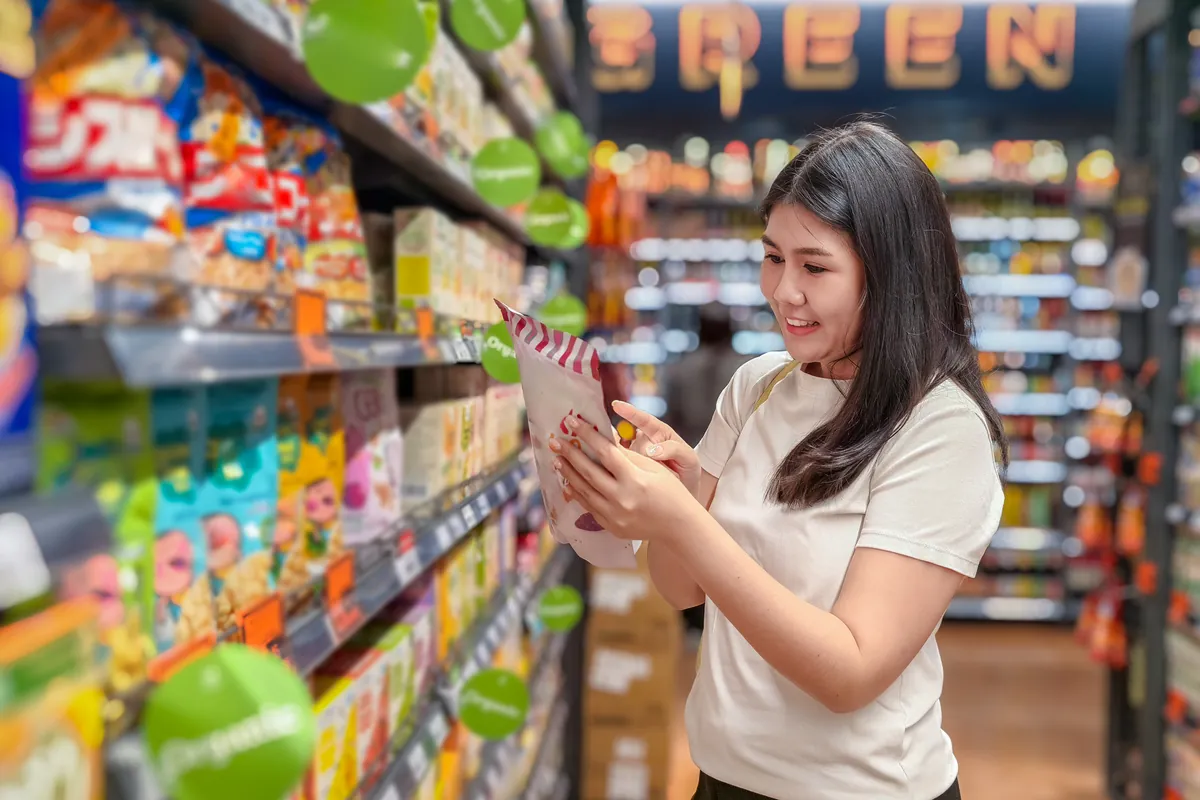 The study’s lead author says consumers buying products labeled 100% avocado oil should get authentic oil.
Olive oil–labeled products performed markedly better. Some 90% of olive oil chips and every olive oil salad dressing and mayonnaise sample met the criteria for authentic olive oil. The authors attribute the gap in part to olive oil’s more established compositional standards and comparatively more developed regulatory oversight and enforcement.
At the same time, the study states that one brand offered both avocado oil and olive oil potato chips. However, neither of its avocado oil chip products met Codex standards, whereas one of its two olive oil chip products did. The authors say that this suggests that formulation practices and ingredient sourcing can differ even within a single brand and category.
For the two avocado oil chip products that passed, the researchers collected two production lots each. In both cases, only one lot met the consistency criteria while the second did not, a finding the authors say highlights the value of batch-level verification when a manufacturer may source the same ingredient from multiple suppliers.
Testing the composition
Additionally, the study reveals that suspect avocado oil products shared a consistent compositional signature. They showed reduced palmitic acid, palmitoleic acid, cis-vaccenic acid, beta-sitosterol, and clerosterol, alongside elevated stearic acid, campesterol, stigmasterol, delta-7-stigmastenol, and delta-7-avenasterol.
The authors describe this pattern as more consistent with substitution or dilution using lower-cost vegetable oils than with authentic avocado oil. One sample, characterized by high linoleic acid and low oleic acid, matched soybean oil composition almost entirely. This reinforces findings from an earlier UC Davis report documenting complete substitution of avocado oil with soybean oil.
However, the researchers acknowledge that there are many other factors that could cause some of the variations and set about investigating those too.
Ruling out processing
To test whether frying and emulsification could account for the compositional shifts, the team prepared model chips and mayonnaise using known-authentic reference oils and re-analyzed them. Under laboratory-scale frying and emulsification conditions, the authors say the authenticity markers barely moved.
Absolute changes in major fatty acids stayed below 0.6%, and cis-vaccenic acid decreased by only 0.1% after frying in both potato and tortilla chips. Emulsification and short-term refrigerated storage produced similarly minor changes.
The results indicate that typical processing conditions do not alter oil authenticity markers enough to explain the deviations detected in the commercial products, directing attention instead to the oil that went into the formulation.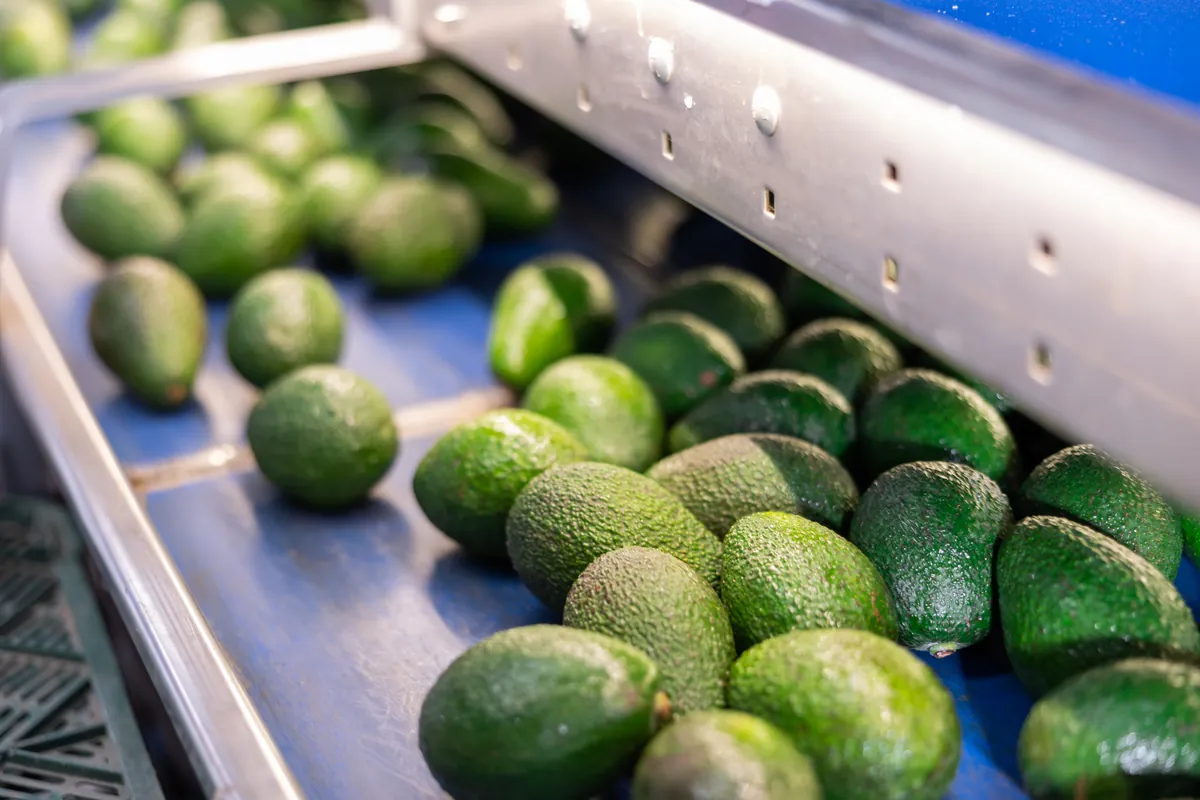 The researchers note that suppliers may be unaware they are using diluted or non-avocado oil in their products.
The study also notes that although third-party verification programs exist, such as the Seed Oil Free Alliance, only two of the olive oil–labeled dressing samples carried such certification at the time of purchase.
“In our experience we’ve noticed natural variables, such as geographic origin and avocado variety, can change these fingerprints,” Wang admits. “So we gave the samples some wiggle room, giving them a 10% margin of deviation to account for that, but 89% of the avocado products still failed.”
The need for more safeguards
The researchers also point out that all of the products in the study declared only a single edible oil and did not disclose blended formulations. The study says this means consumers would reasonably expect the named oil, particularly where front-of-package claims emphasize “made with 100% avocado oil,” to be the primary lipid source.
The authors acknowledge limitations, and stress that the results are not intended to represent national market variability or ongoing manufacturing practices. They call for increased analytical scrutiny of ingredient authenticity in processed products to improve labeling transparency and maintain consumer confidence in premium oil claims.
The authors also note that suppliers of the products could be dealing with problems occurring further down the supply chain. Wang states that the brands with failed products may be entirely unaware that they are using non-avocado oils.
“If consumers are buying potato chips that say they’re made with 100% avocado oil, that should be the product that they’re getting,” Wang concludes. “I don’t think there is enough accountability throughout the supply chain.”