

Solid ozone technology targets food waste and safety challenges

Key takeaways
- FreshSure uses slow-release solid ozone technology to help extend produce shelf life and reduce foodborne pathogens.
- The technology aims to cut spoilage and improve produce quality across the supply chain, from farm to consumer.
- FreshSure is the first product built on Onza’s gas-to-solid platform, with potential future applications beyond agriculture.
Food safety, produce waste, and shelf life extension have long been interconnected challenges for the global fresh produce industry. While antimicrobial interventions have improved over the past two decades, many solutions still rely on complex equipment, cold-chain infrastructure, or chemical treatments that can be difficult to deploy consistently across every stage of the supply chain.
US-based agri-tech start-up Onza Corp believes it has developed a new approach. The company unveils FreshSure, hailed as the first commercially available crystallized ozone sachet designed to provide a slow, controlled release of ozone throughout produce handling, transportation, storage, and retail distribution.
The technology is currently being evaluated in commercial trials with agricultural and food producers in three countries.

Solving a longstanding limitation of ozone
Ozone has been recognized for decades as one of the food industry’s most effective antimicrobial agents. It has demonstrated effectiveness against pathogens, including E. coli, Salmonella, and Listeria, and has long been approved for use in food processing applications in the US.
Despite those advantages, widespread adoption has been constrained by ozone’s physical characteristics. As a gas, ozone is highly reactive and rapidly decomposes, requiring on-site generation equipment and limiting its practical use outside controlled environments.
Onza says its patented gas-to-solid technology addresses this challenge by stabilizing ozone in a crystallized solid form.
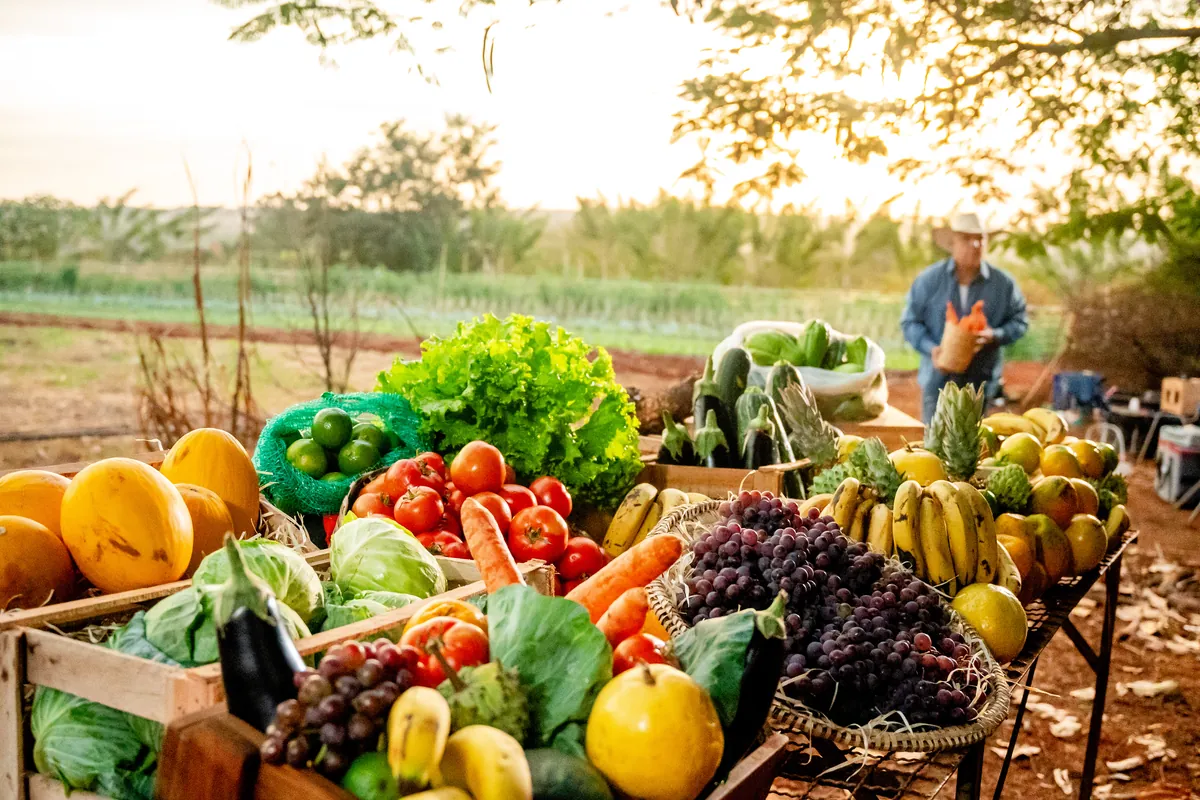 FreshSure could offer a produce preservation option in regions where reliable cold-chain infrastructure is limited.Packaged as a small sachet, FreshSure is designed to release ozone gradually over time, eliminating the need for expensive ozone generation systems while making antimicrobial protection more portable and scalable.
According to Onza CEO Chuck Smith, the objective is to simplify access to ozone technology throughout the food supply chain.
“We have spent years developing the technology to successfully convert useful gases like ozone into a solid, commercially friendly format. With the launch of FreshSure, we are realizing an ambition to fundamentally change how the food supply chain operates,” he says.
“FreshSure trades bulky, expensive machinery for a sachet that costs less than US$1, bringing safer, fresher produce to suppliers and consumers everywhere.”
Addressing industry pressure on waste reduction
The launch comes as food waste has become a growing priority across agriculture and food retail.
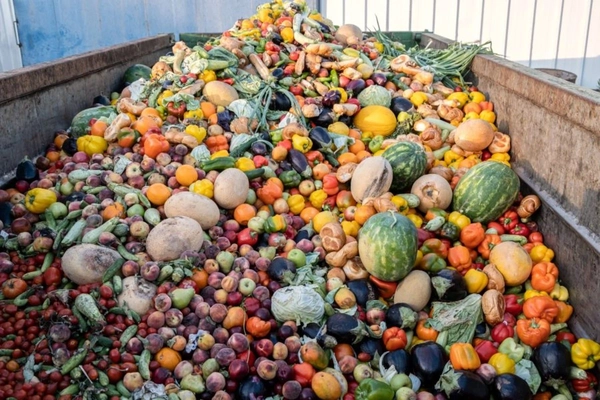
Fresh produce remains among the categories with the highest rates of spoilage, with losses occurring during harvesting, transportation, distribution, retail display, and ultimately in consumers’ homes.
Longer transportation routes, labor shortages, and increasingly complex distribution networks have intensified the challenge of maintaining product quality while minimizing shrinkage.
Retailers and suppliers are also facing increasing pressure to meet sustainability targets while reducing the economic costs associated with discarded inventory.
If commercial trials validate its performance claims, technologies capable of extending shelf life without significant infrastructure investments could become attractive to growers, packers, wholesalers, and retailers seeking practical methods to reduce waste.
Applications throughout the supply chain
Unlike antimicrobial interventions that are typically limited to washing, processing, or storage facilities, FreshSure has been developed as a portable solution that can accompany produce throughout its journey.
Potential applications include post-harvest handling and packing operations, shipping containers and refrigerated transport, distribution centers, cold storage facilities, retail produce displays, and consumer refrigeration.
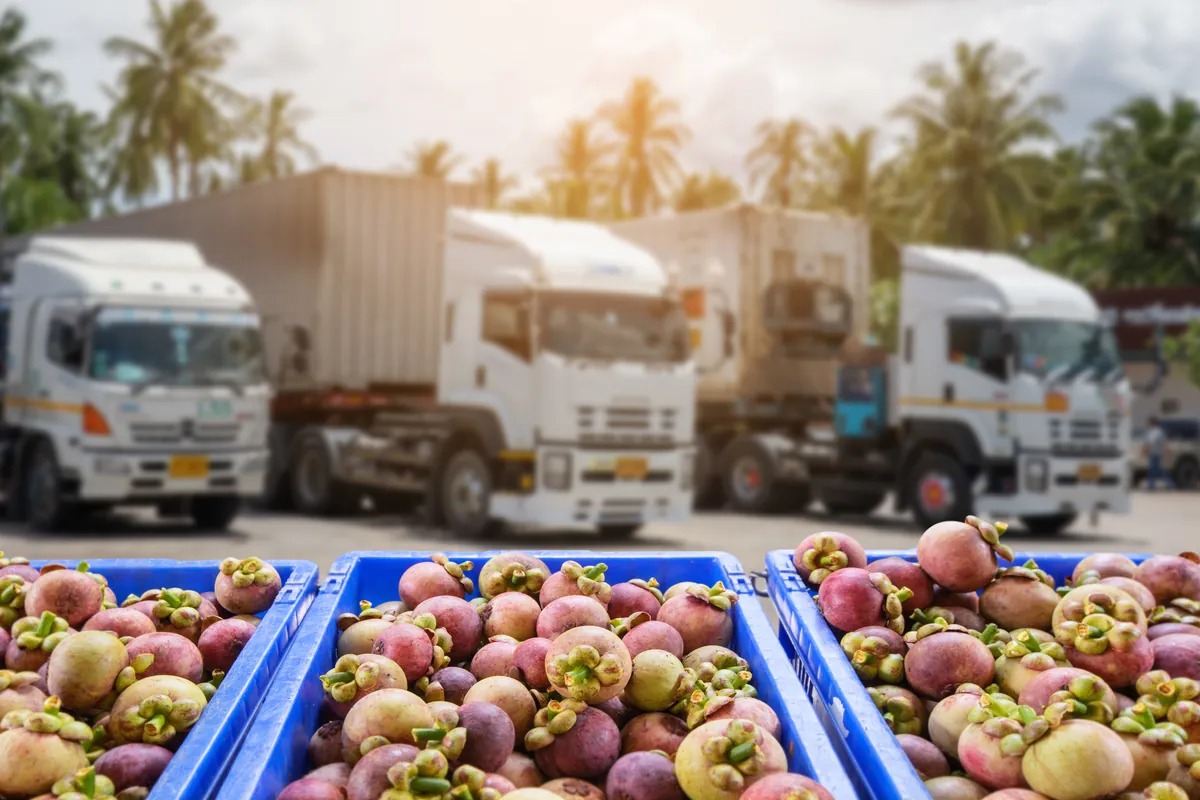 Onza Corp’s crystallized ozone sachets could be used in refrigerated trucks, shipping containers, and retail produce displays.According to the company, the sachets are intended to both suppress microbial contamination and slow natural ripening processes, helping preserve freshness while reducing pathogen risk.
Potential beyond developed markets
One of the more significant aspects of the technology may be its applicability in regions with limited cold-chain infrastructure.
Large portions of the global produce supply still experience substantial post-harvest losses because of inconsistent refrigeration, long transportation distances, and limited access to preservation technologies.
Lower-cost shelf life extension tools have attracted increasing interest from governments, NGOs, and food producers seeking to improve food security.
If validated at commercial scale, a passive ozone delivery system could offer an additional preservation option for markets where infrastructure investments remain difficult.
While FreshSure represents Onza Corp’s first commercial product, the company positions the launch as the beginning of a broader technology platform rather than a single-product business.
Its patented process for converting gases into stable solid forms could have potential applications beyond agriculture, including healthcare, sanitation, water treatment, and consumer products, according to the company.
Onza has received support from the Colorado Office of Economic Development as it advances commercialization.
While commercial adoption will ultimately depend on the outcome of ongoing trials, FreshSure represents another example of how post-harvest technologies are evolving to address food safety, shelf life extension, and food waste with lower-cost, more scalable solutions.