
Clean label enters redesign era as formulators tackle taste and texture trade-offs

Key takeaways
- Clean label reformulation is shifting from simple ingredient removal to overall product redesign.
- Consumer expectations vary by region, but demand centers on natural ingredients, fewer additives, and sugar reduction.
- Suppliers use functional starches, fermentation-derived ingredients, and AI-assisted formulation to overcome clean label performance challenges.
In 2026, the clean label challenge for F&B manufacturers is reformulating products with simple ingredient lists while protecting taste, texture, and shelf life. The practice of simply stripping ingredients from formulations is giving way to integrated formulation systems.
For consumers globally, Innova Market Insights identifies three areas most associated with clean label: the absence of additives, the use of natural ingredients, and environmentally friendly positioning.
To meet these consumer demands, manufacturers are turning toward functional starches, fermentation-derived solutions, sensory science, and AI for clean label reformulation.
Food Ingredients First discusses clean label evolution with Ingredion, Samyang, Kerry, and Tate & Lyle to understand how manufacturers are balancing simpler formulations with stricter demands for taste, texture, processing performance, and cost.

Clean label: From removal to redesign
Daniel Haley, VP of global texture value enhancement at Ingredion, says “the challenge is no longer whether a product has a clean label — it is determining which formulation decisions matter most to consumers, like sugar reduction or protein and fiber fortification.”
Clean label has also evolved from “free from” to “better for me,” he emphasizes.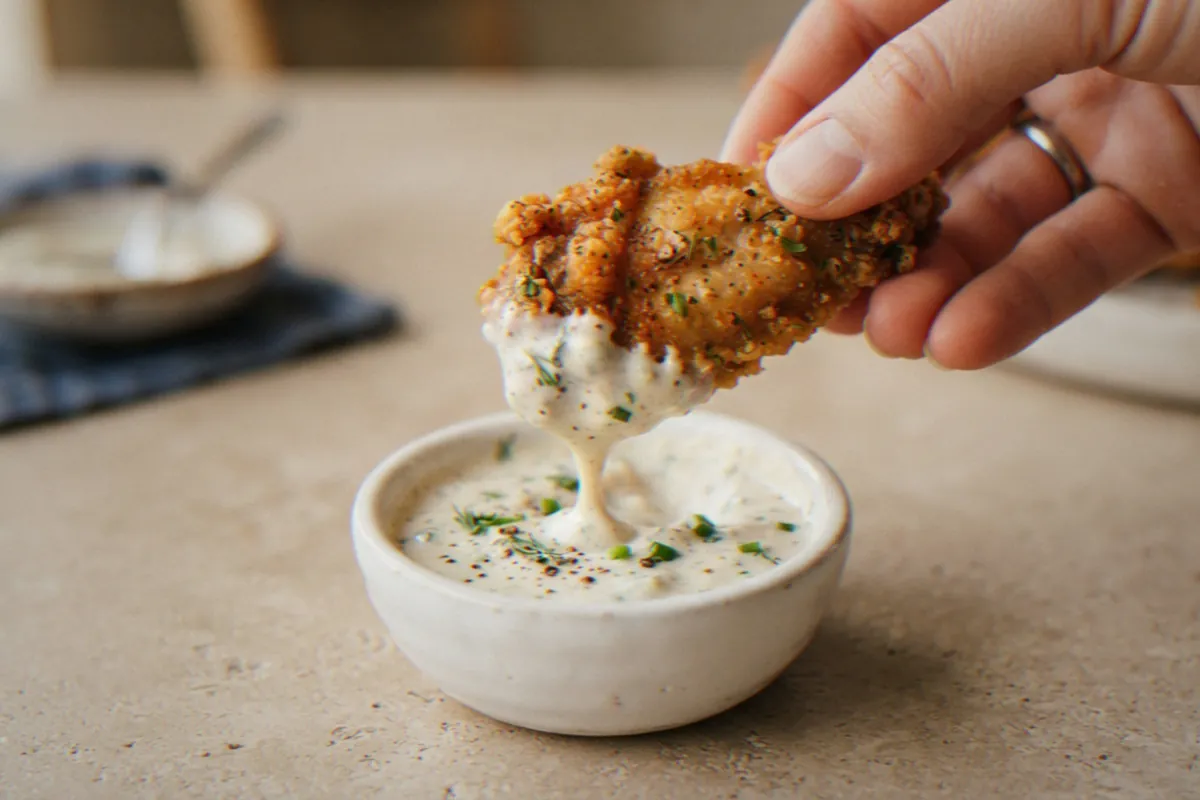 Mouthfeel is becoming a key clean label challenge, as formulators recreate creaminess, body, and indulgence with fewer ingredients.
“Brands no longer need to pursue the shortest possible label at the cost of the eating experience or nutrition value. Instead, they need to make smarter choices that balance simplicity with meaningful benefits.”
Douglas Lim, VP & head of North America business at Samyang, frames clean label reformulation as a three-step approach — “remove, rebuild, and add value.”
This method includes reducing sugar, calories, and ingredients consumers prefer to avoid, restoring the taste, body, viscosity, and texture affected by reformulation, and enhancing nutritional value through dietary fiber fortification, Lim explains.
What “clean label” means to consumers
Asian consumers generally want their clean label products to be environmentally friendly, while LATAM, North America, and Europe are more likely to look for “no additives and preservatives” in clean label products, according to Innova analysis.
Nicola Herd, retail director for UK & Ireland at Kerry, explains that perceptions of what constitutes a “clean” label can differ significantly from market to market. “Ingredients that are widely recognized and accepted in one region may be unfamiliar or viewed less favorably in another, creating very different starting points for clean label expectations.”
Haley describes Europe as “one of the most mature clean label markets,” with scrutiny of additives, E-numbers, sourcing, and environmental claims.
“In the US, clean label conversations increasingly center on ingredient transparency, with heightened attention on artificial ingredients and sweeteners, GMOs, artificial colors, certain preservatives, and ingredients consumers perceive as less familiar,” he notes. Douglas Lim, VP & head of North America business at Samyang.
Meanwhile, Stephanie Dupuy, director of dairy global applications at Tate & Lyle, characterizes Asia-Pacific through a “minus and plus” lens.
“On the ‘minus’ side, manufacturers are responding to demand for products with less sugar, salt, and trans fat, as well as claims such as no preservatives. In China, for example, 47.4% of consumers identify ‘low sugar’ or ‘sugar free’ as their leading reduced or free-from claim when shopping for food and drinks, while 43% are interested in products with no preservatives.”
On the “plus” side, brands are increasingly adding ingredients consumers associate with health and naturalness, including fiber, protein, vitamins, prebiotics, and naturally sourced ingredients.
“In South Korea, ‘rich in protein’ motivates 49.1% of consumers, while 46.4% are motivated by products rich in dietary fiber and 20.4% by fermented products,” Dupuy adds.
Clean label’s formulation challenge
While working toward cleaner ingredient lists, F&B companies face various formulation barriers, such as the cost of reformulation, technical complexity, and loss in product quality (taste, texture), Haley notes.
“Successful clean label reformulation typically requires optimization of the whole formulation, not just swapping a single ingredient.”
Reducing or replacing ingredients while still delivering a consumer experience that is as “close as possible to the original product” remains another hurdle, Lim tells us.
“For example, sugar and corn syrup provide much more than sweetness. They also contribute to body, viscosity, moisture retention, binding, browning, and mouthfeel. Simply replacing sugar with a single high-intensity sweetener can therefore create bitterness or lingering aftertaste, while also reducing body and altering texture.”
He suggests an “integrated reformulation” of taste, texture, and physical properties over a simple one-to-one ingredient replacement to address these concerns.
Innovations tackle clean label trade-offs
The experts share some recent examples of using integrated formulation approaches to simplify labels without compromising the finished product experience. Stephanie Dupuy, director of dairy global applications at Tate & Lyle.
“Samyang recently showcased a corn-syrup-free caramel prototype formulated with Nexweet Blend CS 42 at an industry exhibition,” says Lim. He describes this solution as a “one-to-one replacement for corn syrup” that maintains key functional properties, such as viscosity, binding, and browning, and reduces sugar by 50%.
Dupuy cites a gelatin-free yogurt reformulation using Tate & Lyle’s Sensation tool, where the company used clean label starches to preserve creaminess and texture.
“By combining this sensory approach with Claria Bliss and Claria Everlast clean label starches, the formulation delivered the required creaminess, stable texture, and shelf life performance, while keeping the ingredient list simple and recognizable,” she says.
Herd tells us about Kerry’s prepared-meal project, where the company was challenged with delivering a cleaner label declaration while retaining a home-cooked taste and richness.
“To address this customer challenge, we used our High Impact Stocks, leveraging our culinary heritage and scientific expertise, allowing us to deliver a ‘home-cooked’ tasting stock,” she says.
Haley points to Ingredion’s experience of developing clean label dips for a retailer.
“Rather than simply swapping one ingredient, Ingredion used a holistic clean label formulation approach to replace modified starches and emulsifiers with a clean label ingredient system, including functional native starches and citrus fiber, while maintaining product performance.” Daniel Haley, VP of global texture value enhancement at Ingredion.
AI navigates clean label complexities
Consumers increasingly link clean label to products that are natural, healthy, nutritious, and minimally processed, says Haley.
“AI-enabled ingredient transparency and digital assessment tools will only accelerate influence over these purchasing decisions.” He also expects new ingredients — and their holistic use to solve specific customer challenges — to be supported by AI-assisted formulation and label optimization.
Lim also emphasizes data- and AI-driven formulation optimization. “Samyang’s 3S Sugar Reduction Solution analyzes target sugar-reduction levels, cost requirements, and product characteristics to recommend optimized formulation simulations.”
“This approach can reduce repeated prototyping and sensory evaluations, helping shorten development timelines and lower costs.”
The future clean label toolbox
Lim at Samyang expects “multi-functional ingredients that deliver more than one benefit,” and blended solutions to drive the next generation of clean label products.
As an example, he highlights the company’s Nexweet Allulose, which provides a “sugar-like sweetness profile” while contributing body, moisture retention, and browning properties.
Dupuy at Tate & Lyle anticipates a rise in the importance of mouthfeel. “As manufacturers reduce sugar, fat, salt, or additives, they will need to recreate the creaminess, body, smoothness, bite, and indulgence consumers associate with the original product.”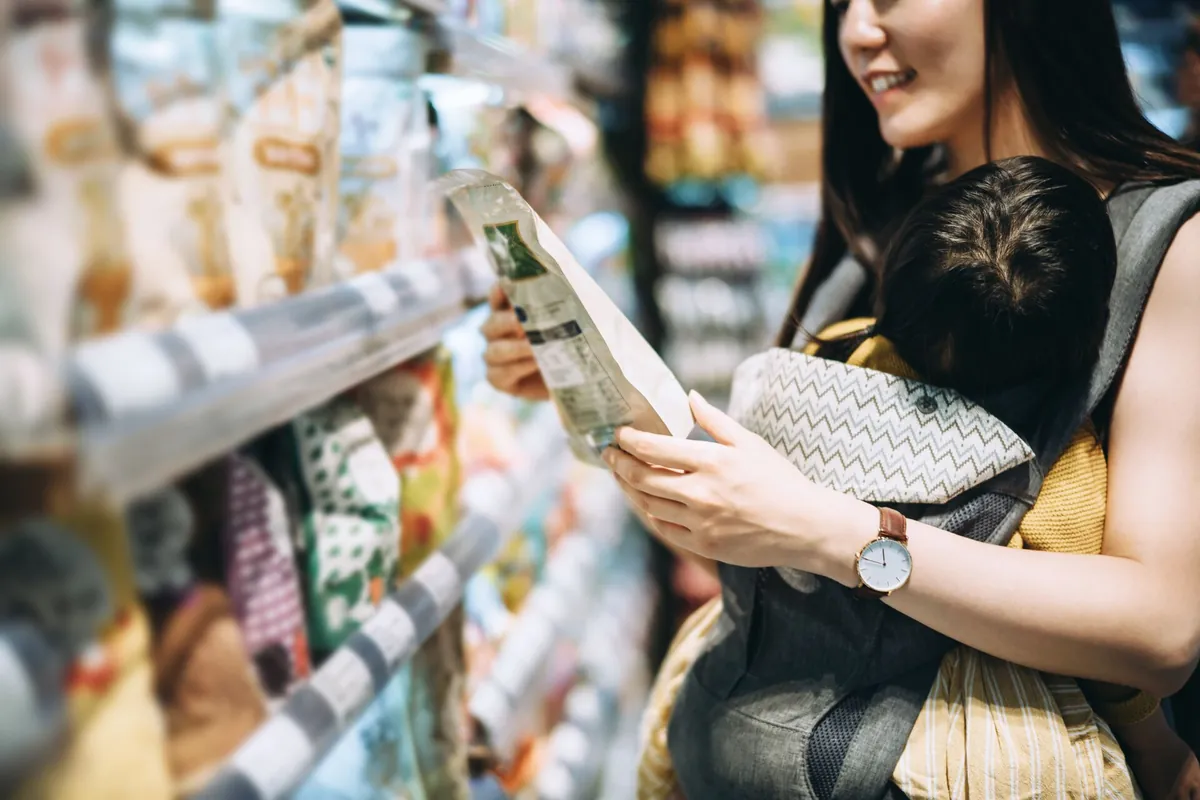 Clean label shoppers want fewer additives without giving up taste, texture, or indulgence.
Haley at Ingredion sees clean label moving from an ingredient-list exercise toward a “clean label without compromise” approach based on holistic product design over the next three to five years.
“Removing ingredients that consumers distrust or formulating with ingredients that have high acceptance is already becoming the minimum requirement in some countries rather than a point of differentiation.”
“The brands that will lead in clean label won’t be the ones chasing the cleanest label. They’ll be the ones bringing clarity to the decisions that matter most to consumers,” he says.


Upcoming webinars

2027 Food Safety Risks for Quality & Compliance Leaders
FoodChain ID

Formulating for function: Developing benefit-led beverages with natural colours, botanicals, and flavours
Givaudan Sense Colour
Let's reveal the grain potential: Innovate
Meurens Natural