


Swicy flavor trends: How formulators refine sweet heat for food and beverages


Key takeaways
- Sweet heat is evolving from novelty into layered flavor experiences across F&B categories.
- Formulators must balance sweetness, acidity, aroma, and pungency across different matrices and processes.
- Flavor experts expect future innovation to focus on precise heat delivery, global inspirations, and more complex sensory profiles.
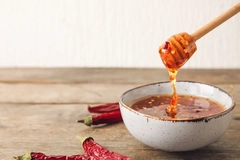
Food and beverage flavor and ingredient companies are pushing sweet and spicy combinations beyond novelty, building on the rise of “swicy” (sweet and spicy) combinations such as hot honey and the growing appeal of chili and fruit pairings.
For product developers, the challenge is increasingly about refining how sweetness, acidity, and pungency interact across different food matrices while controlling how heat builds, lingers, and performs during processing.
Innova Market Insights research highlights consumers’ growing interest in flavor contrasts. One in four consumers finds fruit and spice combinations appealing in sweet categories such as desserts, cakes, pastries, and juices.
In an exclusive discussion with Food Ingredients First, Agrana, Kalsec, and OSF Flavors discuss a more sophisticated phase of “swicy” innovation, where formulation success depends on balancing sensory intensity with stability, and application-specific performance.

From hot honey to layered sweet heat
Kalsec’s Joey Gwisdalla, senior market research specialist, and Melissa Laupp, director of marketing, say that although consumers are becoming much more adventurous with heat, “they aren’t necessarily looking for more burn.”
“They’re looking for more interesting flavor experiences. Fruit and chili naturally deliver that balance. The sweetness, acidity, and juiciness of fruit help make heat feel more approachable, while the chili adds excitement and complexity.”
Gwisdalla and Laupp point to the evolution of sweet heat from a niche trend into a mainstream expectation. “Hot honey helped introduce many consumers to the concept, but now they’re looking for what’s next.”
 Pierre Battu: Familiar flavor cues such as honey and caramel can make spicy profiles more approachable, while chili adds excitement.Innova data indicates that launches with chili-infused honey recorded 61% CAGR growth over the past five years, with hot honey particularly prominent in the US and UK.
Pierre Battu, managing director, Asia, at OSF Flavors, explains that swicy is not simply sweet plus hot. “It is the interaction of sweetness, aromatic character, and trigeminal heat, and the sequencing of those sensations is important.”
“A successful swicy profile has more architecture: an approachable first impression, a recognizable flavor identity, followed by heat that builds without overwhelming the profile.”
Swicy is increasingly becoming a “platform for layered flavor creation rather than a single flavor trend,” he argues, as profiles evolve toward savory, fermented, tangy, roasted, or smoky dimensions.
Fruit and chili combinations
Roswitha Mandl, global innovation portfolio manager at Agrana points toward mango and chili as the leading swicy pairing, with pineapple, peach, and lime with chili also gaining traction.
“From an application perspective, the strongest opportunities are currently emerging in ice cream and frozen desserts, where creamy, cooling formats provide the ideal contrast to spicy notes.”
“Momentum is also building in beverages, as flavor combinations such as hot honey, tropical fruit, and chili, and other sweet-and-spicy profiles continue to broaden the appeal of the swicy trend across occasions.”
Balancing sweetness, acidity and heat
Combining fruit preparations with spicy ingredients such as chili, ginger, and pepper presents technical challenges around flavor stability, discoloration, heat perception, base interactions, and microbiological safety, according to Mandl.
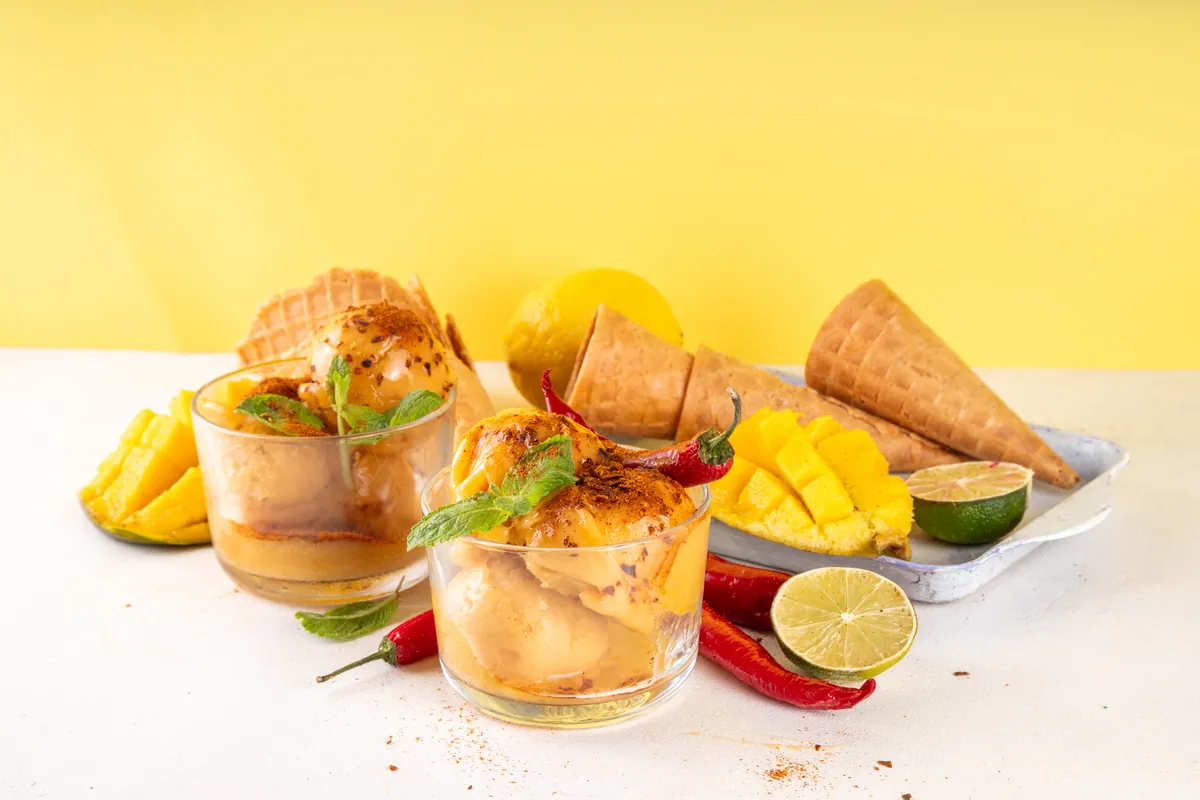 Mango and chili flavors offer innovation potential in creamy, cooling formats that create a contrasting backdrop for spicy notes.The company uses flavor modulation, texture design, and stabilization to reduce excessive bitterness or pungency while maintaining authentic spice character.
Battu describes “balance rather than maximum intensity” as the first challenge manufacturers face while formulating sweet-heat products.
“Sweetness, aroma, and pungency are perceived differently and develop at different speeds in the mouth. Increasing one component can easily hide or distort another.”
He notes that fat, protein, viscosity, acidity, salt, temperature, and processing can all alter flavor and heat perception, meaning the same system can perform differently in a snack, sauce, or prepared food.
“Processing creates another challenge. Aromatic components can be affected by extrusion, frying, baking, retort, or extended heat treatment, while pungency may remain much more persistent.”
Kalsec similarly identifies balance as a key hurdle when combining fruit flavors with chili.
“Fruit brings sweetness and acidity, while chili delivers pungency and lingering heat. Those elements don’t always behave the way formulators expect,” Gwisdalla and Laupp tell us.
“Sweetness can soften heat while acidity can amplify it. Working with specific chili varietals, controlled heat systems, and customized flavor solutions allows developers to fine-tune the experience, balancing sweetness, acidity, and pungency to create products that feel intentional, layered, and enjoyable.”
Flavor developers scale sweet-heat concepts
Agrana’s Mango Chili Lime ingredient is described as a “classic sweet-heat pairing, balancing ripe tropical mango with a warming chili kick and the acidity & freshness of lime.” The flavor can be used in ice cream, dairy, beverages, and savory applications, Mandl shares.
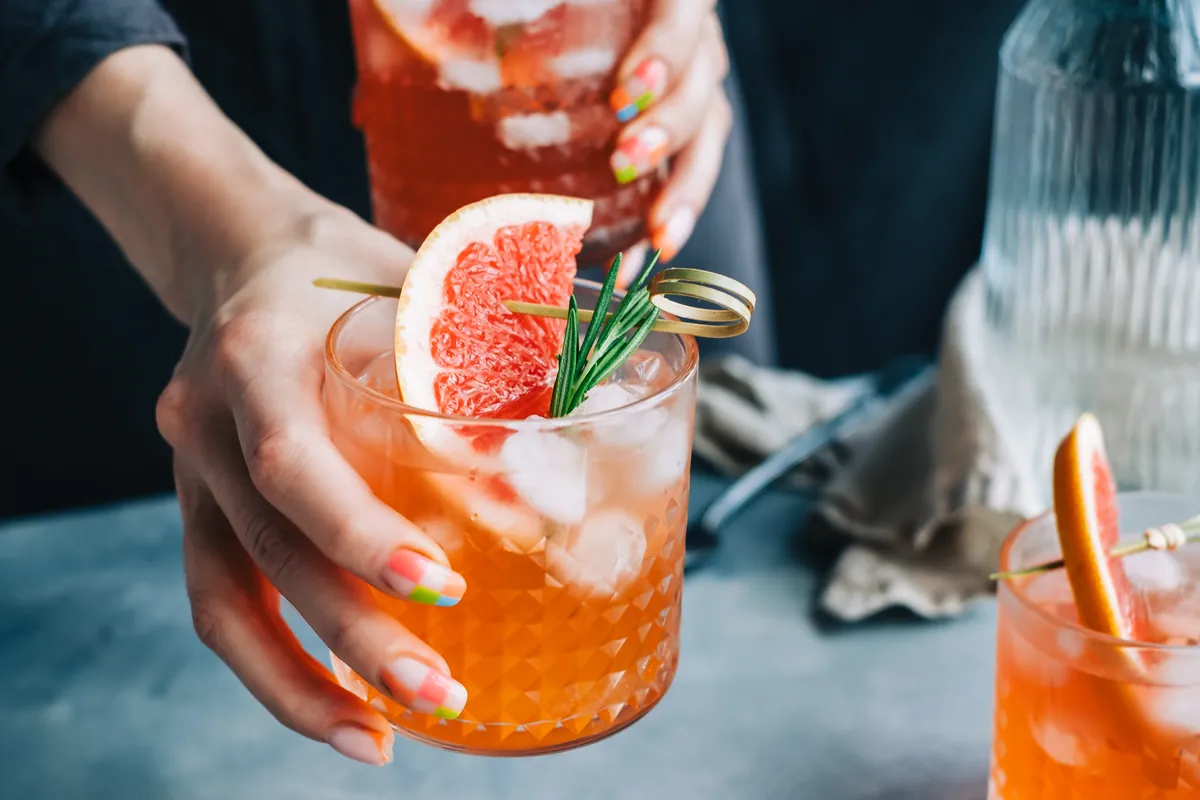 Agrana is exploring sweet-heat concepts such as Grapefruit Ginger across dairy and beverages.The company has also developed Chocolate & Sweet Chili, an indulgent layered dairy dessert, as well as Grapefruit Ginger for dairy and beverages, and Gorgonzola & Pink Pepper for cream cheese spreads.
OSF Flavors’ Spicy Soy BBQ and Swicy Corn concepts depict how swicy is expanding beyond fruit into savory and roasted profiles.
“The objective is not simply sweetness followed by heat, but a progression from sweet and roasted notes into savory depth and a spicy finish,” Battu says about the BBQ innovation.
“Depending on the customer’s matrix, process, and desired heat level, we work with the R&D team to optimize dosage and the surrounding flavor architecture.”
Engineering the sensory experience
Achieving a consistent sweet-heat experience also requires developers to look beyond a single flavor formula, Battu emphasizes.
“We look separately at the aromatic identity, sweet perception, savory or acidic components where relevant, and the desired heat curve.”
OSF Flavors looks at heat as a “sensory curve over time,” he asserts. Capsaicin-type heat typically develops and persists differently from taste and aroma, while other pungent systems can have different onset, location, and decay characteristics.
In fruit-forward profiles, Gwisdalla and Laupp highlight the distinction between pepper flavor and heat. They cite Kalsec’s Zero Degree as a formulation example because it allows developers to control pepper character and pungency independently.
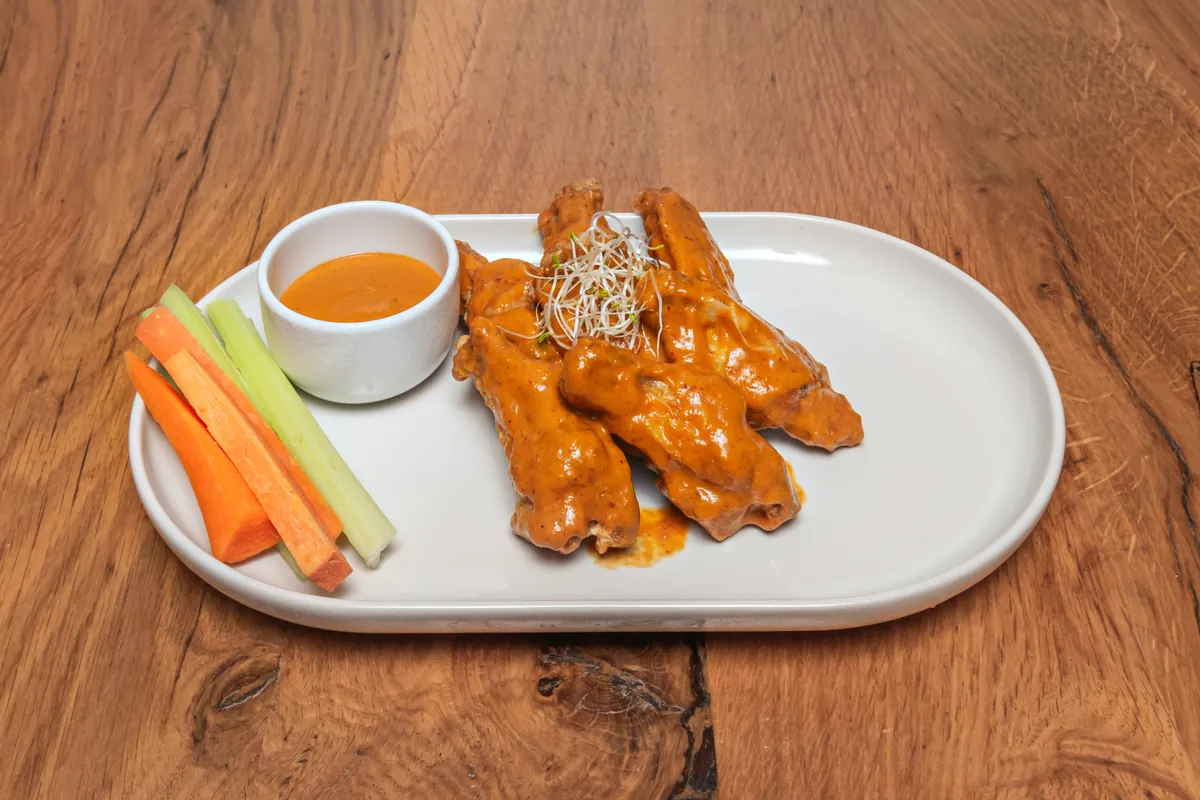 Kalsec’s Zero Degree pepper flavors support mango-habanero profiles while allowing independent heat control.“This gives formulators flexibility to build fruit-forward profiles such as mango-habanero or pineapple-jalapeño while independently dialing heat up or down to achieve the ideal consumer experience.”
Global flavor influences
Korean flavors continue to be a major source of inspiration, particularly combinations that pair gochujang with tropical fruits such as mango or pineapple, Gwisdalla and Laupp tell us.
“Mexican influences also remain incredibly important, where consumers are already familiar with combinations of chili, fruit, and acid through products such as mango with chile-lime seasoning and a variety of fruit-forward salsas and sauces.”
OSF Flavors sees inspiration coming from cuisines where sweet, sour, savory, and spicy traditionally overlap. These include Korean gochujang, Mexican chili-fruit profiles, Southeast Asian sambal and rujak, and citrus varieties such as calamansi and yuzu paired with heat.
Where sweet heat goes next
Kalsec expects further opportunities from regions such as the Middle East, Africa, and Southeast Asia, including tamarind-chili, sambal with tropical fruit, and date-inspired sweet-heat innovations.
According to the company’s research, consumers are showing growing interest in flavor profiles that combine heat with fruit, fermentation, tanginess, and smoke.
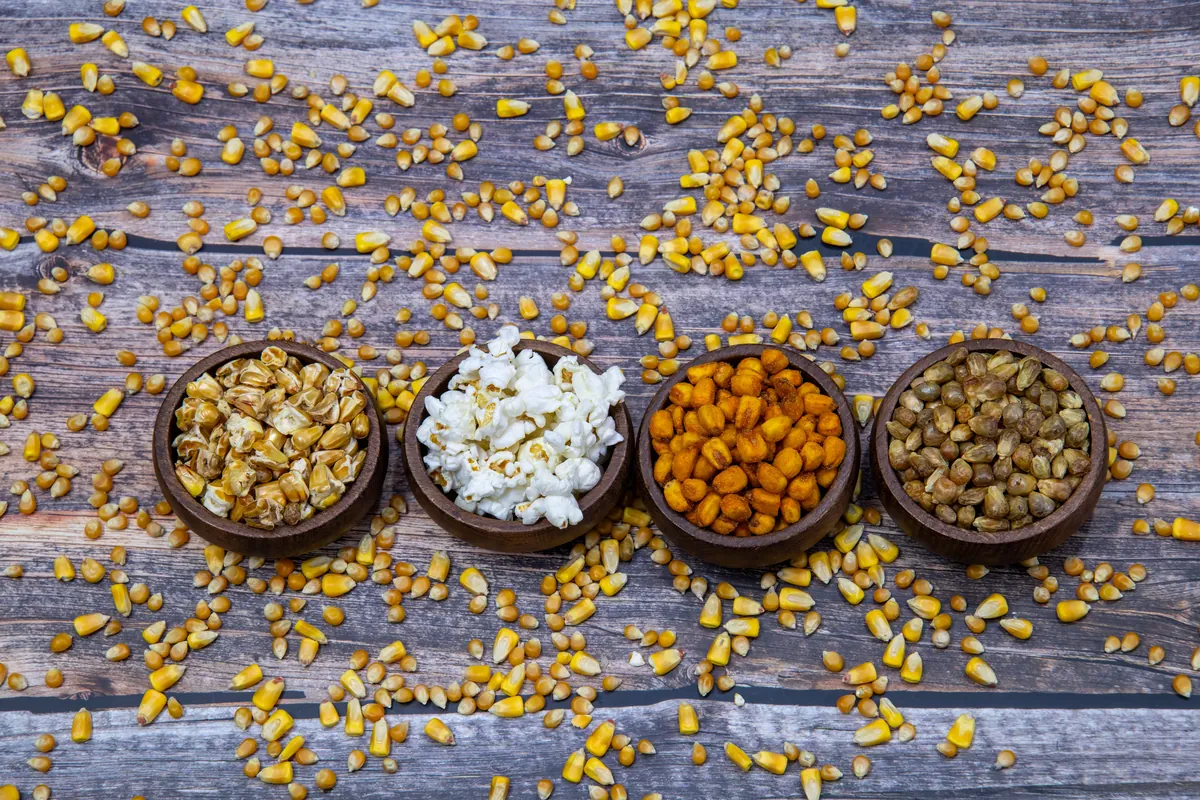 OSF Flavors’ Swicy Corn concept pairs familiar sweet-roasted corn notes with warming spice to create an approachable sweet-heat profile.“That’s where many of the most exciting innovation opportunities are likely to come from over the next few years,” they add.
For Agrana, familiar combinations such as mango, pineapple, and peach with chili will remain relevant.
“Future innovation is likely to focus on creating more layered flavor experiences that balance sweetness with warming or slowly building spice, delivering greater depth, complexity, and nuance while remaining balanced and approachable for consumers.”
According to OSF Flavors, future sweet-heat innovations will see various directions converging, with growth in layered profiles combining fermented, umami, roasted, smoky, tart, and tropical notes.
“Snacks and savory applications remain obvious opportunities, but we also see significant room in beverages, confectionery, dairy, and frozen desserts.”
“Ultimately, the future of swicy will be about precision rather than extremity. The interesting question for R&D will increasingly be not ‘How hot can we make it?’ but ‘How can we control the complete sensory journey, first aroma, first taste, heat development, and finish to create something distinctive and repeatable?’”



Upcoming webinars

Oat-Standing Ingredients - Showcasing Irish Grain Through Innovation
Tirlán Ingredients

2027 Food Safety Risks for Quality & Compliance Leaders
FoodChain ID

Formulating for function: Developing benefit-led beverages with natural colours, botanicals, and flavours
Givaudan Sense Colour