


Crush Dynamics secures FDA GRAS response for fermented grape ingredient
Key takeaways
- Crush Dynamics has received an FDA "no questions" response for its fermented grape pomace ingredient under GRAS Notice No. 1302.
- The ingredient is designed to modulate flavor, aroma, and mouthfeel, with potential applications in bitterness masking, sweetness enhancement, and sodium reduction.
- The technology targets food and beverage manufacturers seeking multifunctional, upcycled ingredients for applications ranging from sports nutrition to confectionery and plant-based products.

Canadian food ingredient company Crush Dynamics has received a "no questions" response from the US Food and Drug Administration (FDA) following its Generally Recognized as Safe (GRAS) notification for a fermented grape ingredient, opening the door to its use as a flavoring agent and flavor enhancer across a range of F&B applications.
The response, issued under GRAS Notice No. 1302, relates to fermented grape pomace produced using the company’s patented fermentation technology.
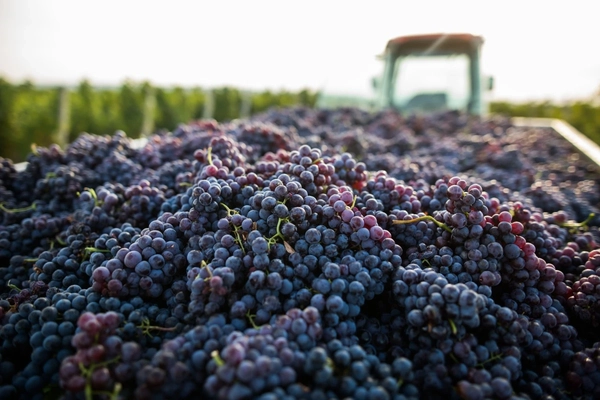
The ingredient is made by processing polyphenol-rich grape pomace, a by-product of wine production. Through fermentation, Crush Dynamics aims to unlock the functional properties of grape-derived compounds, including polyphenols and dietary fibers, creating an ingredient with potential applications beyond traditional flavor enhancement.
A multifunctional approach to reformulation
The company positions the technology as a multisensory modulator, designed to influence taste, aroma, and mouthfeel simultaneously. Its potential functionality includes helping to mask bitterness and metallic off-notes, enhance perceived sweetness, improve texture and support sodium reduction in finished products.
For manufacturers, the appeal lies in the possibility of addressing several formulation challenges through a single ingredient, particularly as they seek to balance sensory quality, nutritional targets and ingredient costs.
Crush Dynamics says the technology could also help manufacturers reduce reliance on certain premium ingredients while maintaining product quality. Potential applications span multiple F&B categories, including nutritional and sports beverages, confectionery, condiments, and plant-based alternatives.
The FDA’s response is an important regulatory step, although it is not an approval or endorsement of the ingredient. Rather, it indicates that the agency has no questions at this time regarding the company’s conclusion that fermented grape pomace is GRAS under the specific conditions of use outlined in its notification.
Manufacturers remain responsible for ensuring their products comply with applicable food safety requirements.
Turning grape waste into higher-value ingredients
The development also highlights the growing interest in upcycling agricultural and food-processing by-products into higher-value ingredients. Grape pomace, which includes skins, seeds, and other solid material left after juice extraction, is an abundant source of plant compounds but has traditionally had relatively limited commercial applications.
Kirk Moir, CEO of Crush Dynamics, says the FDA response represents an important validation of the science behind the company’s ingredient platform.
“The future of food innovation is doing more with the food we already produce. Our technology gives manufacturers a competitive advantage by delivering multiple benefits in a single ingredient, creating opportunities to improve product quality, reduce formulation costs, and drive greater value across global markets,” he says.
The company says it is already working with food manufacturers and ingredient distributors across North America to bring its technology to market.
The GRAS response gives Crush Dynamics a regulatory foundation for pursuing wider commercial opportunities in the US, at a time when manufacturers are increasingly looking for multifunctional ingredients that can deliver both formulation and sustainability benefits.