



How PepsiCo is creating new consumption occasions beyond the snack aisle

Key takeaways
- PepsiCo repositions brands like Lay’s and Tostitos as culinary ingredients, using chef collaborations and restaurant concepts to create new meal occasions beyond traditional snacking.
- Immersive dining formats across markets like China, Spain, and Mexico are being used as “test-and-learn” platforms to gather consumer insights and refine future foodservice and product strategies.
- The strategy reflects a broader push into away-from-home growth, combining experiential restaurant concepts with potential integration into everyday restaurant menus and foodservice channels.
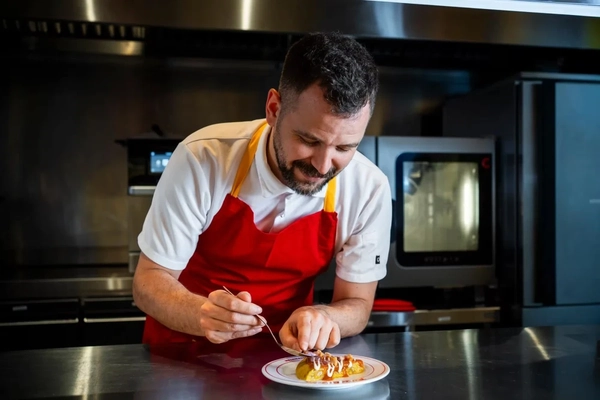
PepsiCo is increasingly exploring how its snack brands can move beyond the packaged foods aisle and into full culinary applications, using chef collaborations, restaurant concepts, and localized menu development to create new meal occasions for consumers.
The global snacks and beverages giant highlights a series of restaurant and experiential dining initiatives across China, Spain, Mexico, and the US that position brands, such as Lay’s and Tostitos, as ingredients within chef-led dishes and foodservice formats, rather than standalone snacks.
The projects form part of PepsiCo’s efforts to expand its presence in away-from-home channels and tap into what the company describes as “a whitespace opportunity in meals.”
According to Pol Codina, general manager and senior vice president of PepsiCo Food Ventures, the initiatives are designed to bring some brands into meals, cultural rituals, and shared dining experiences that align with local consumer behaviors.

Branded restaurant concepts
Among the concepts is a limited-time Lay’s potato-themed restaurant in Shanghai’s Xintiandi district, China, where potatoes are reimagined across a menu spanning appetizers, main courses, desserts, and beverages.
The venue also features collaborations with Michelin-starred chef Francesco Bonvini and chef Tian Shuai, with dishes designed around the journey from potato cultivation to finished chips.
In Spain, PepsiCo has launched Pilla Tortilla, which is described as the company’s first Lay’s-branded restaurant concept developed with another Michelin-starred chef, Miguel Carretero. The Madrid-based format uses Lay’s crisps as a signature ingredient in Spanish tortilla dishes and other menu items, creating a sit-down dining occasion around one of the brand’s core products.
PepsiCo says the concept is intended to support growth in away-from-home channels while creating new consumption occasions beyond snacking.
Meanwhile, in Mexico, PepsiCo’s Tosticentros platform transforms Tostitos chips into customized street-food meals prepared in front of consumers. The company’s Rincón Tostitos restaurant concept in Monterrey extends the approach into a permanent physical location.
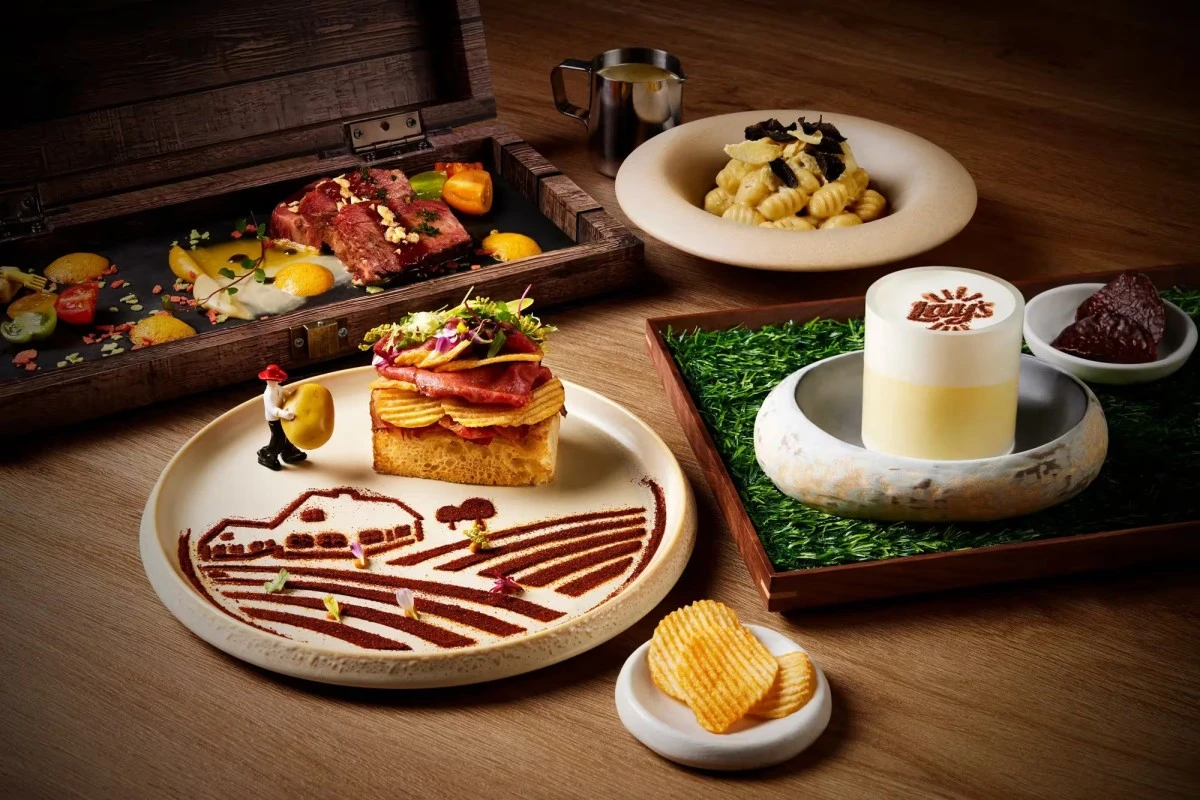 PepsiCo is integrating brands like Lay’s and Tostitos into chef-led dishes and dining experiences across China, Spain, Mexico, and the US to expand its away-from-home presence beyond standalone snacks.
From products to experiences
The model also supports local food entrepreneurs by providing a platform for their own recipes and menu innovations.
“Through concepts like Pilla Tortilla in Madrid and Lay’s in Shanghai, we’re entering spaces where our brands haven’t traditionally played, particularly in specific meal occasions and social dining. This strategy fills a gap between snacking and full-service meals, where consumers want food that feels substantial, chef-built, and culturally relevant, but still approachable,” Codina tells Food Ingredients First.
“It allows us to move beyond the aisle and into the broader food experience — lunch, dinner, and shared moments — where brands earn deeper credibility while building more meaningful, hospitality-led connections with consumers and expanding our relevance beyond packaged snacking.”
“Success is about building deeper connections with our brands by earning a real role in meals and social eating occasions. These concepts also act as learning platforms to understand what resonates, how we can evolve as we redefine the way our brands are built.”
Codina explains how PepsiCo is redefining meal occasions by showing how its brands can move from being snacks on the side to playing a more central role in food and shared eating moments.
“Instead of thinking in terms of ‘snack versus meal,’ we focus on how people actually eat — across social, flexible, and food-led occasions.”
“Examples in Lay’s Shanghai and Pilla Tortilla aimed to channel an ingredient we know so well — the potato — and to think about how we could celebrate that crop through our Lay’s brand from starters to mains and through to desserts. Casa de Tostitos aimed to celebrate its key ingredient, corn, through a curated culinary experience and highlight the food journey from crop to chip.”
Redefining meal occasions
The initiatives reflect a wider effort by PepsiCo to reposition some of its largest snack brands as versatile culinary ingredients capable of playing a role in meal occasions. The strategy extends beyond branded experiences and restaurant concepts.
Earlier this month, PepsiCo announced a global partnership between Doritos Loaded and chef Gordon Ramsay, aimed at developing chef-created recipes and opportunities for restaurant operators using Doritos as a meal base.
But how does PepsiCo decide which products from Lay’s and Tostitos can credibly transition into chef-designed dishes?
“It starts with a natural fit. With Lay’s, the potato gives us a clear pathway. From there, we work with chefs to create dishes that feel familiar, but elevated, ensuring the food stands on its own and respects both the brand and the culinary tradition. We’re also scaling consumer behaviors that are embedded in culture to ensure the dishes are genuine and authentic,” says Codina.
“With Tostitos and Doritos, the fit comes from how consumers already use the chips — as a base for toppings, flavors, and customization. Trends like the Walking Taco show us people are comfortable turning those products into more substantial, build-your-own food moments, which makes them a natural canvas for chef-designed interpretations.”
The Walking Taco trend is a popular culinary phenomenon, where all the fixings of a taco are included in a single-serve bag of chips, mixed up, and eaten with a fork on-the-go.
Immersive dining formats
Rather than positioning the restaurants as a blueprint for global rollout, PepsiCo views them as a way to test how consumers respond to new formats, menu concepts, and brand experiences outside traditional retail channels.
“These concepts are designed as test-and-learn platforms first. The goal is to understand how immersive formats, menus, and experiences resonate with consumers before thinking about broader rollout.”
“They also provide an opportunity to gather insights as we refine our product proposition, and of course, are created to tap into people’s excitement to share their food experiences on social media,” Codina continues.
Chef collaboration
While PepsiCo’s brands provide the foundation, the company says local culinary expertise is critical to adapting concepts for different markets and ensuring they feel authentic to consumers.
“They (local chefs) are central to the credibility and success of each concept. Local chefs bring technique, cultural relevance, and creative perspective, ensuring the menu is grounded in authentic culinary traditions while introducing innovation.”
“For example, chefs lead menu conceptualization and help reinterpret iconic local dishes, ensuring the experience feels both modern and rooted in local gastronomy,” Codina says.