


Australian desert plant holds potential for sustainable protein alternative

Key takeaways
- Australian desert plant Saltbush offers high-protein and essential amino acids, making it a potential plant-based protein alternative for food ingredients.
- Saltbush powder improves nutritional value by providing more protein and dietary fiber than wheat pasta.
- The plant is drought resistant and has potential as a functional food ingredient for the development of healthier, climate-resilient food products.
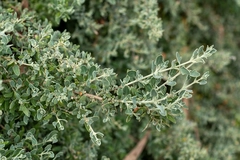
An Australian desert plant, saltbush (Atriplex nummularia) — containing the “ideal” amino acid requirements for human nutrition — could open up opportunities for high-protein functional food ingredient applications in powdered form, a study has revealed.
The drought-tolerant shrub, also known as “old man saltbush,” is mostly used by Indigenous Australians as stock fodder, or an ingredient in salad or cooking. However, food scientists at RMIT University in Australia say its protein quality has potential as a novel, sustainable food ingredient in products such as noodles.
“It is notably high in protein for a plant-based source, matching or outperforming other sources such as soy, pea protein, and rice protein, underscoring its potential as a high-quality plant-derived protein option,” says first author and RMIT PhD candidate Samiddhi Gunathilake.

Although saltbush powder has a higher fat content, this may also contribute to enhanced texture and mouthfeel in some food products, while saltbush’s green color could also add visual appeal to foods, he says.
The plant is also rich in minerals such as calcium, iron, phosphorus, zinc, and sodium.
The findings are published in Food and Bioprocess Technology.
Protein and salt substitution
When the team added ground saltbush powder to wheat flour noodles, they found it significantly improved the pasta’s nutritional value while also serving as a natural salt substitute.
 Study authors Samiddhi Gunathilake and Dr. Mahsa Majzoobi at RMIT’s Food Research and Innovation Centre (Image credit: Michael Quin, RMIT University).Study lead Dr. Mahsa Majzoobi says the plant showed substantial nutritional advantages compared to wheat flour alone during the study.
“Our analysis showed saltbush powder contained more than double the protein content of wheat pasta and was eight times higher in dietary fiber.”
“This meant, for example, that one serving of wheat pasta with saltbush powder added provided almost half the recommended daily protein intake for an adult.”
According to Majzoobi, these compositional differences highlight saltbush powder as a nutrient-dense ingredient that can significantly enrich wheat-based products both nutritionally and functionally.
“While legumes are traditionally valued for their essential amino acids — particularly lysine and tryptophan — saltbush was shown to be a strong alternative source with its high protein content and substantial levels of essential amino acids, notably lysine, which wheat products typically lack,” she adds.
“Blending wheat with saltbush powder therefore offers a strategy for developing products with a more complete protein profile.”
What next for saltbush powder?
The study’s findings require longer-term validation to fully understand the gut health and nutritional benefits of saltbush powder, as well as practical considerations on consumer acceptance, large-scale processing performance, and supply chain consistency.
 The scientists aim to explore saltbush powder applications in breads, snacks, and plant-based protein foods.“The next stage of this research will involve expanding the application of saltbush to other food products such as breads, snacks, and plant-based protein foods, as well as conducting larger sensory and consumer studies,” says Majzoobi.
“We also plan to collaborate more closely with growers and industry partners to investigate sustainable sourcing, processing optimization, and scalability.”
Ultimately, the team aims to support the development of Australian-grown, climate-resilient ingredients that contribute to healthier and more sustainable food systems.
The F&B industry is advancing climate resilience through investments in more resilient crops, enhanced R&D focus, and technological tools, as erratic weather patterns continue to impact crop quality and yield.



Upcoming webinars

2027 Food Safety Risks for Quality & Compliance Leaders
FoodChain ID

Formulating for function: Developing benefit-led beverages with natural colours, botanicals, and flavours
Givaudan Sense Colour

Let's reveal the grain potential: Innovate
Meurens Natural