



Bakery supplier Puratos achieves carbon-neutral operations across global production sites


Key takeaways
- Puratos achieves carbon-neutral operations for Scope 1 and 2 emissions across 20 certified production facilities worldwide.
- The company reduced its emissions through energy efficiency investments and increased renewable energy use.
- The F&B industry is increasingly prioritizing decarbonization, sustainable sourcing, and climate resilience to meet evolving stakeholder, regulator, and consumer expectations.
 (Image credit: Puratos).
Puratos is helping advance the bakery industry’s environmental sustainability, as it announces “carbon-neutral operations” through energy-efficiency improvements and renewable energy. The Belgium-headquartered firm has slashed emissions produced per ton by nearly 50% compared to its 2016 baseline, amid industry-wide efforts at F&B decarbonization.
The bakery, patisserie, and chocolate ingredient supplier says it has reached Scope 1 and 2 carbon emission neutrality, significantly reducing its overall environmental footprint.
Puratos’ new 2025 Sustainability GRI Report has unveiled the sustainability milestone, with 20 of its production facilities globally now carrying official carbon-neutral certification. It also claims to generate nearly 10% of its total electricity requirement on-site through solar panels and wind energy.
Francesca Angiulli, sustainability director at Puratos, tells Food Ingredients First that the environmental progress responds to growing expectations from customers, investors, regulators, employees, and other stakeholders “for meaningful climate action.”
“While sustainability is increasingly crucial, purchasing decisions in the bakery, patisserie, and chocolate sectors continue to be driven primarily by product taste, performance and quality. Sustainability must complement, not compromise, these fundamentals.”
Sustainability through investment and transparency
Puratos’ sustainability moves include a reported €4.9 million (~US$5.6 million) investment in 38 projects targeting energy efficiency last year.
The company is also focusing on responsible sourcing, through initiatives, such as paying out €7 million (~US$8 million) to cocoa farmers in 2024. The sustainability report highlights that it now sources 38.2% of its cocoa through Cacao-Trace, its proprietary certified sustainable cocoa program.
 Francesca Angiulli: Sustainability must complement, not compromise, product taste, performance, and quality.Angiulli emphasizes that transparency in communicating such efforts and the specific scope of the claims to its customers is important.
“We included our carbon neutrality milestone in our 2025 Sustainability GRI Report, which is now accessible via our website and social media channels. We also plan to communicate the news when speaking to customers and through any future commercial materials.”
She describes the announcement as a “starting point” for deeper conversations with Puratos’ customers on their sustainability ambitions and challenges, and to explore how the company can support them on their journey.
Driving tangible sustainability impact
In markets where sustainability is becoming an increasingly important purchasing driver, Angiulli asserts that manufacturers value suppliers that demonstrate credible and measurable environmental progress.
“While our Scope 1 and 2 carbon neutrality achievement is not a consumer-facing claim that can be directly applied to customers’ finished products, it can strengthen their broader sustainability narrative and contribute positively to supplier selection decisions. It also provides reassurance that they are partnering with a supplier taking tangible action to reduce its environmental impact,” she says.
For F&B companies, Puratos can offer its support on an ad hoc basis by providing Product Environmental Footprint calculation for finished goods, factual information about its sustainability initiatives and the methodologies behind its claims when requested, Angiulli notes.
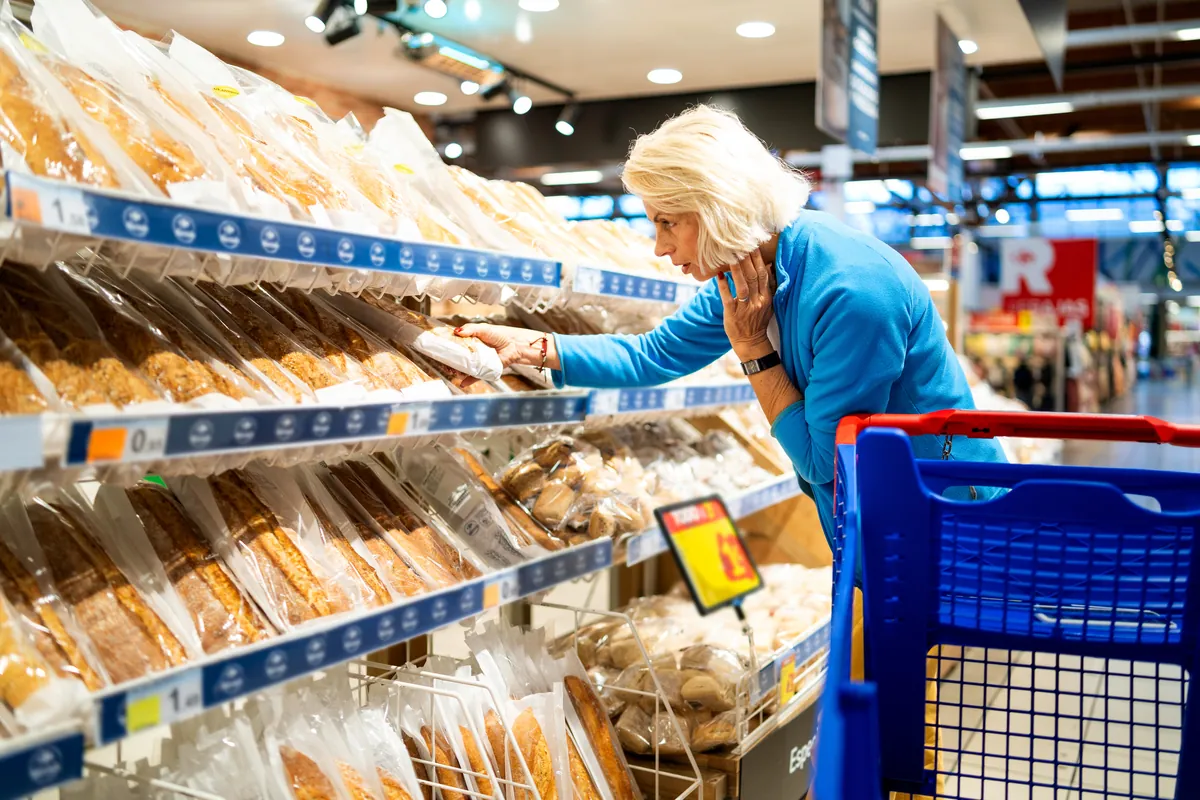 Sustainability is becoming an increasingly important purchasing driver in consumers’ F&B choices.“We encourage transparent and accurate communication that clearly reflects the scope of sustainability achievements and avoids oversimplification, helping to build trust and credibility with consumers.”
Advancing sustainability in F&B
Between July 2020 and June 2025, F&B launches featuring sustainable and ethical claims increased by 5%, Innova Market Insights data shows. F&B manufacturers are exploring responsible sourcing and climate transition plans to meet their sustainability targets.
Puratos uses a trifecta of data, traceability, and farmer partnerships to meet these demands while maintaining cost efficiency. For manufacturers, working with suppliers that “actively reduce their environmental footprint” helps support their own corporate sustainability commitments and reporting requirements, Angiulli tells us.
“As sustainability becomes more embedded in procurement processes, demonstrating measurable progress can help reinforce confidence in long-term partnerships.”
She points toward Puratos investments in energy efficiency, renewable energy, climate resilience, and sustainable sourcing as a means to help strengthen the company’s operation and supply chain resilience.
“This creates long-term value not only for Puratos, but also for our customers, by supporting a more reliable and sustainable supply ecosystem.”