



Offshore wind farms emerge as scalable platform for seaweed ingredient production


Key takeaways
- Researchers say offshore wind farms could support large-scale sugar kelp cultivation, creating a new source of sustainable food ingredients.
- Trials in Danish waters showed high seaweed yields, strong product quality, and nutrient removal benefits.
- With cultivation technology now considered commercially ready, the key challenge is building supply chains, industry partnerships, and consumer demand to scale the seaweed market.
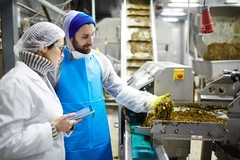
Aarhus University researchers in Denmark say the technology for offshore seaweed cultivation is commercially ready, shifting industry focus toward supply chain development and market adoption. As offshore wind energy infrastructure expands across Europe, a parallel opportunity for large-scale seaweed farming could be emerging.
The scientists report that sugar kelp can be successfully cultivated in offshore wind farms, with field trials demonstrating strong yields, high product quality, and significant nutrient uptake.
After more than a decade of research and industry collaboration, they argue that technological barriers have largely been overcome, positioning offshore seaweed farming as a potential new source of food ingredients, feedstocks, and bio-based materials.
“We have the technology. We are ready to cultivate seaweed at scale. What we need now are partners who can use and market the products seaweed farmers are capable of producing,” says Annette Bruhn, senior researcher at Aarhus University’s Department of Ecoscience.
Multi-use marine infrastructure gains momentum
The findings come as Denmark accelerates offshore wind development, with substantial new marine areas expected to be dedicated to renewable energy generation by 2030.
Researchers see this expansion as an opportunity to implement “multi-use” marine systems, where food production is integrated into existing offshore energy infrastructure. Under this model, seaweed cultivation systems are installed between wind turbines, enabling renewable energy and biomass production within the same marine space.
According to Bruhn, the approach could help address increasing competition for ocean resources while improving operational efficiencies.
“We are not taking up new marine areas. We are using areas that have already been designated for another purpose. At the same time, we can share infrastructure, service vessels, and operational resources,” she says.
Shared logistics and infrastructure could lower production costs and reduce environmental impacts compared with establishing standalone aquaculture sites, the researchers note. and Mads Hecter (Kerteminde Seafarm) harvesting sugar kelp at the Vesterhav Syd offshore wind farm in May 2026.webp) Teis Boderskov (Aarhus University) and Mads Hecter (Kerteminde Seafarm) harvesting sugar kelp at the Vesterhav Syd offshore wind farm in May 2026 (Photo: Mads Hecter, Kerteminde Seafarm).
Teis Boderskov (Aarhus University) and Mads Hecter (Kerteminde Seafarm) harvesting sugar kelp at the Vesterhav Syd offshore wind farm in May 2026 (Photo: Mads Hecter, Kerteminde Seafarm).
Offshore conditions support yield and quality
Data collected from cultivation trials suggest offshore environments may provide particularly favorable growing conditions for seaweed production.
High water exchange rates, stable environmental conditions, and strong nutrient availability have supported robust sugar kelp growth in Danish waters. Researchers report that offshore sites in the North Sea have delivered high biomass yields and strong product quality metrics.
“We are seeing high yields, excellent quality, and higher nutrient removal than we originally expected. The North Sea appears to be one of the most promising cultivation environments we have worked in,” says Bruhn.
The findings strengthen the case for offshore seaweed cultivation as a scalable biomass source for food and ingredient applications.
Growing interest in sustainable ingredient streams
Seaweed continues to attract attention from ingredient manufacturers seeking alternative raw materials with lower resource requirements than conventional agriculture.
Unlike terrestrial crops, seaweed cultivation does not require arable land, freshwater irrigation, or synthetic fertilizers. The biomass grows using sunlight and nutrients already present in marine ecosystems.
Once harvested, seaweed can be processed into a range of food and ingredient applications, including hydrocolloids, stabilizers, gelling agents, antioxidants, and functional ingredients. Additional opportunities exist in animal nutrition, biomaterials, and biorefining.
Research conducted in Denmark has also shown that sugar kelp cultivation can remove nitrogen and phosphorus from coastal waters during growth, providing a supplementary environmental benefit alongside biomass production.
The researchers emphasize, however, that seaweed farming should be viewed as a complementary measure rather than a replacement for efforts to reduce nutrient emissions at source.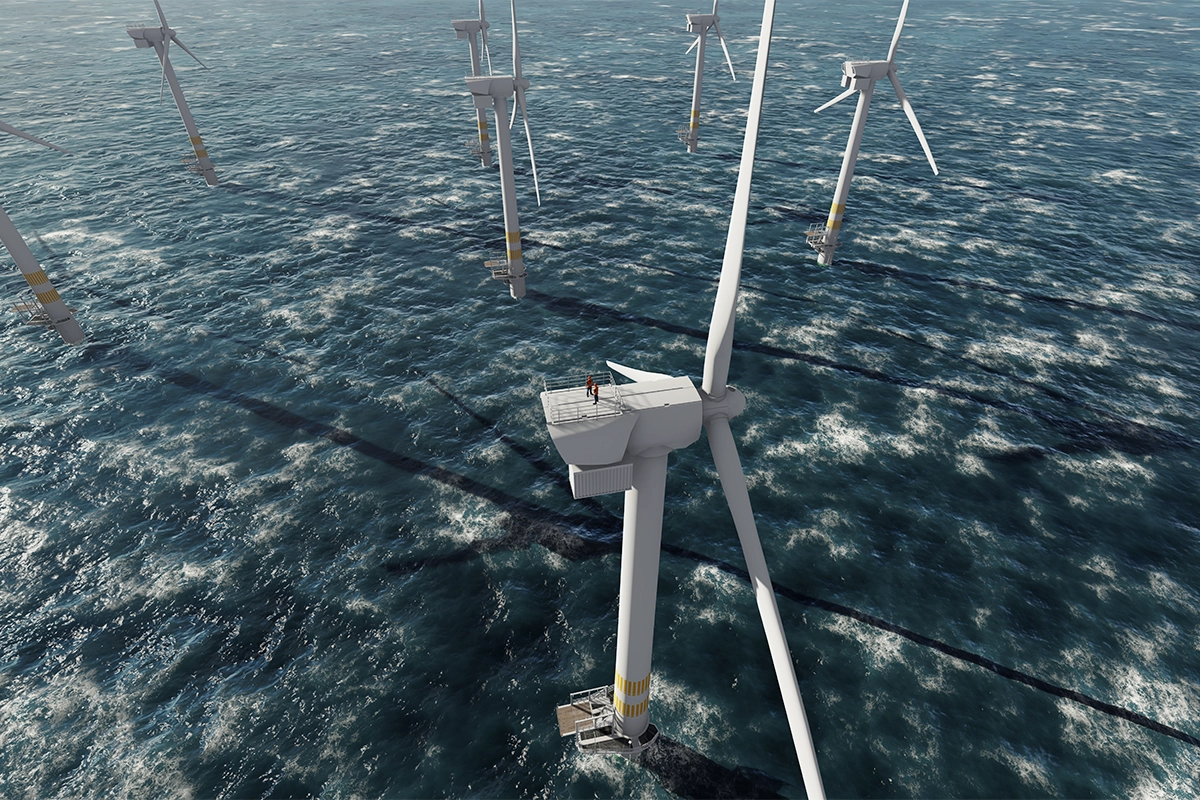 Offshore wind farms could serve a dual purpose, generating renewable energy while supporting large-scale seaweed cultivation.
Market development remains key challenge
While cultivation systems have demonstrated commercial potential, researchers say market adoption now represents the primary hurdle to industry growth.
Modeling work examining the integration of seaweed cultivation into future offshore wind farms suggests that even limited use of available space between turbines could support substantial biomass production volumes.
The challenge, according to Bruhn, lies in building demand and creating stronger links between producers, manufacturers, and consumers.
“We need food manufacturers and retailers to get involved. We need meal-kit companies, public kitchens, and schools. These are the actors that help shape people’s eating habits.”
She compares seaweed’s current market position to that of legumes a decade ago, before their widespread adoption across retail and foodservice channels.
“Five or ten years ago, legumes were far less visible in canteens and everyday meals. Today, they have become a natural part of many diets. We would like to see the same development for seaweed.”
Industry focus shifts from cultivation to commercialization
Researchers continue to refine cultivation systems, assess environmental impacts, and explore new product applications. However, they say the industry discussion is increasingly moving beyond technical feasibility.
“We know that seaweed can be cultivated. We know that we can produce large volumes of high-quality biomass,” says Bruhn.
“The challenge now is to build stronger links between production, the food industry, and consumers.”
For the food ingredients sector, the development signals a growing opportunity to secure sustainable marine-derived raw materials, while supporting emerging circular and multi-use ocean economies.
As offshore wind capacity expands across Europe, industry stakeholders may find themselves evaluating not only the energy generated between turbines, but also the ingredient potential growing beneath them.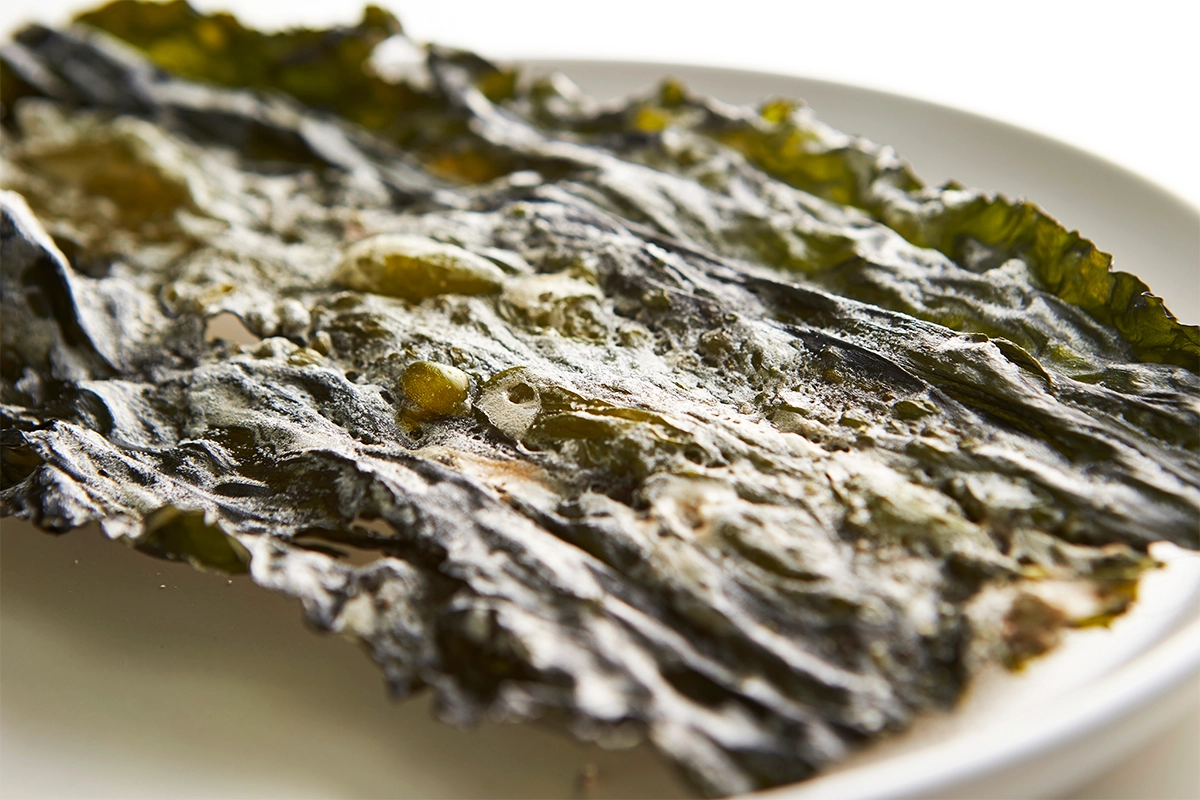 Field trials in the North Sea delivered high sugar kelp yields and strong product quality, highlighting offshore wind farms as promising production hubs for sustainable marine biomass.