

FDA authorizes Lallemand vitamin D2 baker’s yeast for US food fortification

Key takeaways
- Lallemand has secured US FDA authorization for its vitamin D2 inactive baker’s yeast, expanding its use across US F&B applications.
- The fermentation-derived vitamin D source can be used in plant-based dairy alternatives, protein products, beverages, and meal replacements.
- The ingredient is generally stable during processing and can support vitamin D fortification with minimal impact on taste and overall product quality.
 (Image credit: Lallemand).
Lallemand has secured US FDA authorization for its vitamin D2 inactive baker’s yeast ingredient, providing fortification and product innovation opportunities for manufacturers. F&B companies in the US can now use the Lalmin Vita D solution in plant-based dairy alternatives, protein products, beverages, meal replacements, breakfast foods, and baked snacks.
The authorization follows the FDA approving Lallemand’s Food Additive Petition 1A4829 and establishing a new regulation, 21 CFR §172.383, governing the ingredient, says Lallemand.
“Vitamin D fortification remains nutritionally relevant because relatively few foods naturally provide meaningful amounts of the vitamin,” Silvia Soragni, category manager Savory Ingredients at Lallemand Bio-Ingredients, tells Food Ingredients First.
Beyond supporting normal calcium absorption and the maintenance of healthy bones, Soragni says that the “source and form of fortification can also shape consumer acceptance” of the ingredient.

“Among available vitamin D sources, Lalmin Vita D may be particularly relevant to health-conscious consumers because vitamin D2 is naturally present within a whole-food fermented yeast matrix — an approach that can align with growing interest in recognizable, naturally-derived ingredients.”
Lallemand targets plant-based vitamin D fortification
Soragni sees some of the strongest commercial opportunities for Lalmin Vita D in plant-based dairy alternatives, protein products, beverages, meal replacements, and breakfast foods.
 Silvia Soragni says manufacturers should validate Lalmin Vita D across specific formulations, processing conditions, and shelf life requirements. She also points to potential in vegan and vegetarian products because Lalmin Vita D provides a “naturally-derived, non-animal source of vitamin D,” a nutrient that can be challenging to source in plant-based formulations.
“As consumer demand continues to grow for both plant-based nutrition and recognizable ingredient solutions, Lalmin Vita D offers manufacturers a unique way to deliver vitamin D fortification using a fermentation-derived baker’s yeast ingredient.”
Regulatory approvals expand vitamin D F&B applications
Lallemand says it produces its Lalmin Vita D solution by exposing Saccharomyces cerevisiae to ultraviolet (UV) light and subsequently heat-inactivating the yeast.
In Europe, UV-treated baker’s yeast was first authorized as a novel food ingredient in 2014, initially for use in yeast-leavened breads and rolls, fine bakery wares, and food supplements. In 2018, the authorization was expanded to include fresh and dried yeast for home baking.
“In 2022, the European Commission expanded its approved uses to numerous additional food categories, providing valuable experience across a broad range of food matrices,” Soragni tells us.
The 2022 update covered protein products, cheese, dairy desserts, fermented milk and cream, dairy and meat alternatives, meal replacements, and foods for special medical purposes.
Lalmin Vita D and processing stability
Soragni says Lallemand has extensive experience working with Lalmin Vita D over the years. This includes “baked goods, cereals, plant-based foods, dairy alternatives, protein products, meal replacements, soups, and beverages.”
From a formulation perspective, she says vitamin D from Lalmin Vita D is generally stable during processing.
“The ingredient can typically be added at fortification levels with minimal impact on taste, color, texture, and overall product quality.”
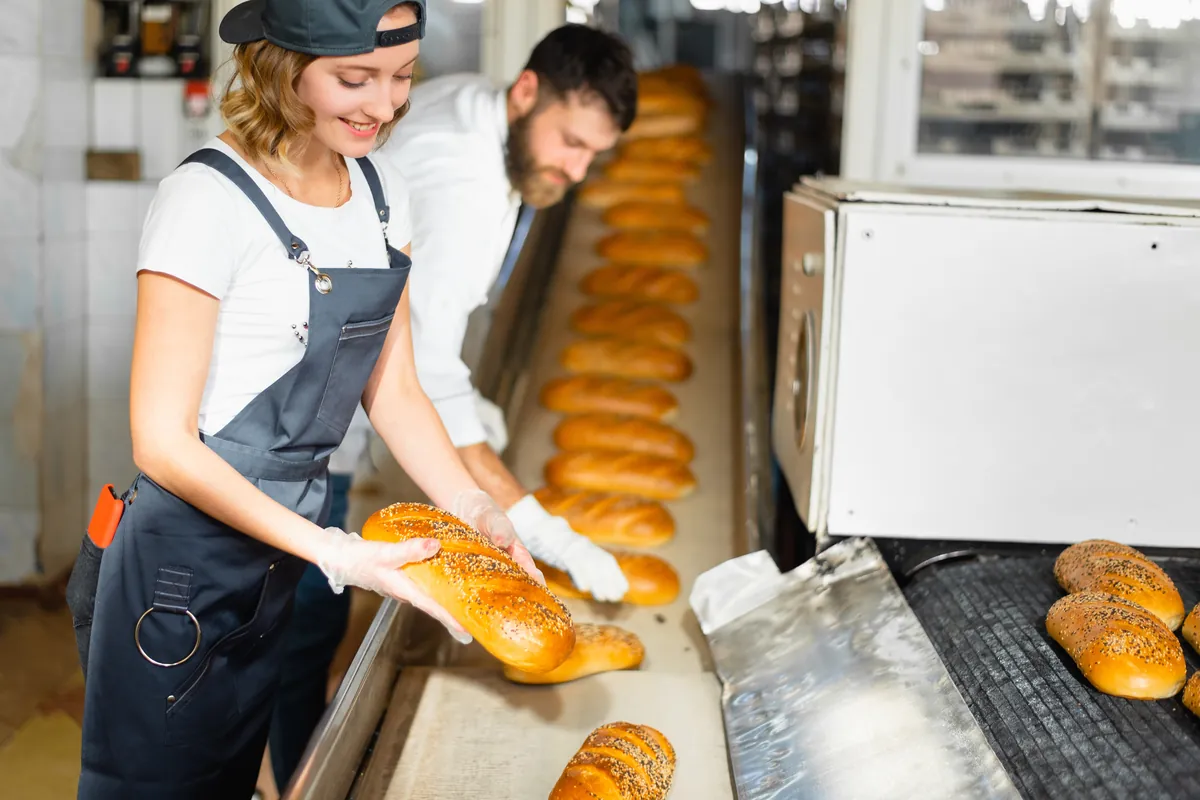 Lallemand’s Lalmin Vita D ingredient can be used in baked products and meal replacements and is said to be generally stable during processing.However, she emphasizes that manufacturers should still validate food ingredient performance within their specific formulations, processing conditions, and intended shelf life.
Expanding fermentation-derived fortification
Lallemand’s US authorization gives formulators another route to vitamin D fortification across mainstream and plant-based food categories. It also widens the commercial reach of fermentation-derived vitamin D2 ingredients.
Other ingredient suppliers have expanded food-based vitamin D solutions, spanning mushroom-derived vitamin D approved for US foods to light-activated vitamin D3 ingredients targeting fortified foods in Europe.
The F&B industry is also expanding its non-animal vitamin D options and leveraging fermentation-based ingredients to strengthen the nutritional profile of plant-based products


Upcoming webinars

2027 Food Safety Risks for Quality & Compliance Leaders
FoodChain ID

Formulating for function: Developing benefit-led beverages with natural colours, botanicals, and flavours
Givaudan Sense Colour
Let's reveal the grain potential: Innovate
Meurens Natural