
PepsiCo sees stronger snack volumes as North American beverage growth remains subdued

Key takeaways
- PepsiCo’s international businesses reported Q3 revenue and organic revenue growth, led by an 11% increase in convenient-food volume in Asia Pacific.
- Savory-snack volumes and volume market share improved, while PepsiCo Beverages North America reported a 2% decline in beverage volume.
- PepsiCo is identifying additional structural cost reductions to fund investment in innovation and brand building.
PepsiCo has reported higher third-quarter sales and profit compared with the same period last year, with growth across its international food and beverage businesses, while performance in its North American food and beverage operations remained mixed.
The group reported net revenue of US$25.27 billion for the three months to September 5, up 5.6% on the same period last year. Organic revenue increased by 3.1%.
Reported operating profit rose 19% to US$4.26 billion, while net income attributable to PepsiCo increased 17% to US$3.05 billion. Core operating profit, which excludes certain items, increased 3%, while core operating margin fell 35 basis points to 16.9%.
For the first 36 weeks of the year, revenue was US$68.90 billion, up 6.7%, while net income attributable to PepsiCo was US$8.36 billion, compared with US$5.70 billion in the corresponding period of 2025.

International food businesses deliver growth
PepsiCo’s international food operations recorded some of the strongest growth in the quarter.
Asia Pacific Foods reported a 10% increase in revenue, with organic revenue growth of 9%. Convenient-foods volume increased 11%. Latin America Foods reported revenue growth of 14%, with organic revenue up 6%. Food volume increased 3%. In EMEA, revenue increased 8%, with organic revenue growth of 9%. Convenient-food volume declined 1%, while beverage volume increased 4%.
PepsiCo’s International Beverages Franchise also reported higher sales, with revenue up 8% and organic revenue increasing 7%. Beverage volume increased 5%.
The company said organic revenue growth across the international businesses reflected a combination of volume growth and effective net pricing.
North American snacks improve sequentially
PepsiCo Foods North America reported flat revenue for the quarter, while operating profit fell 13%. Core operating profit declined 12%.
The company said convenient-food trends improved sequentially during the quarter, supported by growth in savory-snack volumes.
Effective net pricing was lower, which PepsiCo says contributed to the performance alongside volume growth.
The North American convenience food portfolio includes PepsiCo’s major savory-snack operations, including brands such as Lay’s, Doritos, Cheetos, and Tostitos.
North American beverage volumes decline
PepsiCo Beverages North America reported a different performance.
Revenue increased 5% in the third quarter, primarily driven by acquisitions made in 2025. Reported beverage volume declined 2%.
PepsiCo said the reported revenue increase was primarily driven by acquisitions made in 2025.
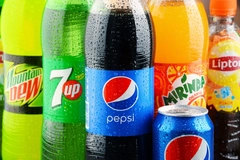
The business includes PepsiCo’s North American beverage portfolio, with brands including Pepsi, Mountain Dew, Gatorade, and Bubly.
The contrast with the company’s international beverage operations was notable. International Beverages Franchise revenue increased 8% in the quarter, with organic growth of 7% and beverage volume growth of 5%.
Pricing and productivity affect margins
Across the group, PepsiCo said third-quarter performance benefited from effective net pricing and productivity savings, as well as a favorable impact from tariff refunds.
However, these benefits were partly offset by higher operating costs and increased advertising and marketing expenditure.
PepsiCo recorded US$367 million in restructuring and impairment charges during the first 36 weeks of 2026, compared with US$567 million in the same period of 2025.
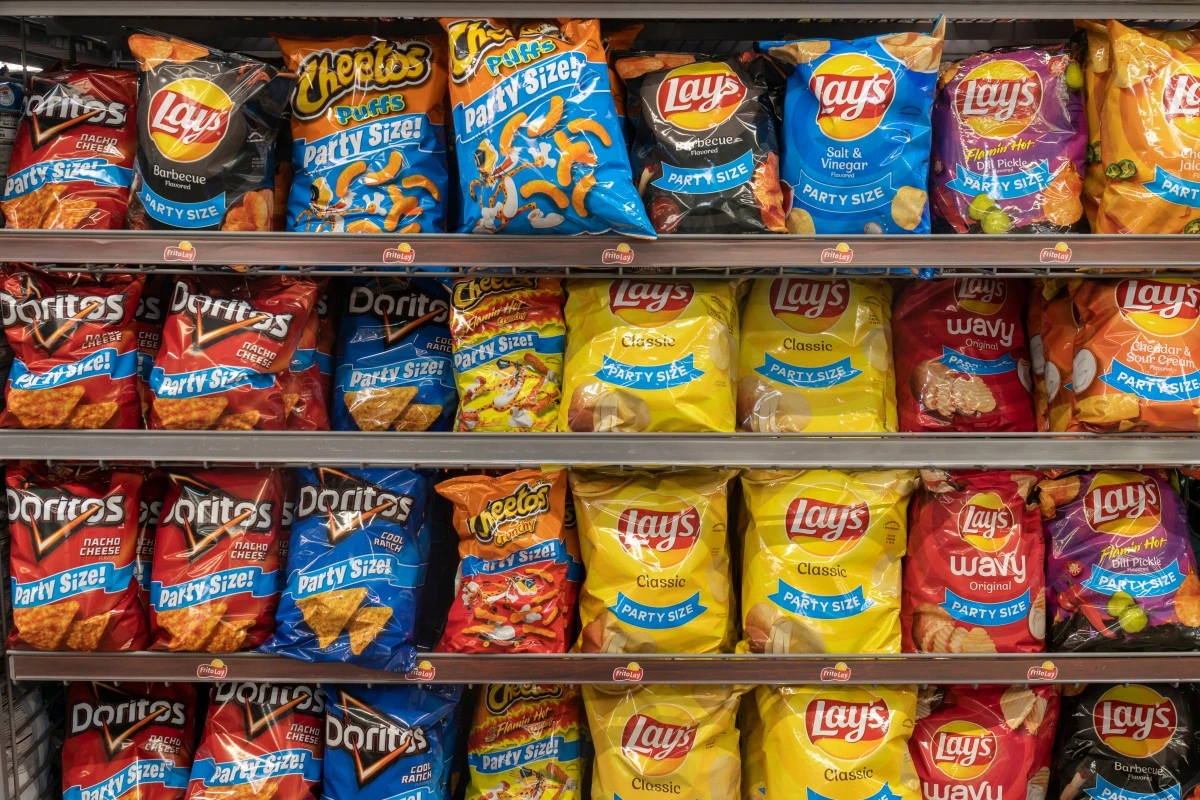
The company reported an improvement in convenience-food trends, fueled by increased demand for savory snacks.
Further structural cost reductions planned
PepsiCo said it is identifying additional structural cost-reduction actions, which will be implemented over the coming months.
According to the company, the savings are intended to help mitigate input-cost inflation and fund investment in innovation, brand building, and marketplace execution, particularly in North America.
“Our third-quarter results featured strong net revenue growth, an acceleration in organic revenue growth with organic volume growth across both global beverages and convenient foods. The results reflect the scale and resilience of the international business, the ongoing evolution of the global portfolio and an improved presence in underpenetrated channels and occasions,” says chairman and CEO Ramon Laguarta.
“Looking ahead, we remain focused on building upon the strength of the International business while acting with urgency to sustainably improve our performance in North America through more investments in innovation, effective brand building, and sharper marketplace execution by channel.”
“Additional structural cost reduction actions are being identified and will be implemented in the coming months to help fund investments that aim to accelerate organic revenue growth and mitigate the impacts of rising input cost inflation.”
Full-year earnings guidance reduced
Despite the increase in third-quarter revenue, PepsiCo reduced its full-year earnings expectations.
The company now expects organic revenue growth of approximately 3% for 2026, compared with its previous guidance range of 2–4%. Reported net revenue growth is expected to be approximately 6%, at the top of its previous 4–6% range.
PepsiCo also expects core constant-currency earnings per share growth of 1–2%, compared with its previous expectation of growth at the low end of 4–6%.
Core EPS growth is expected to be 2.5–3.5%, compared with previous guidance for growth at the low end of the 5–7% range.
The company maintained its expectation of returning approximately US$8.9 billion to shareholders through dividends and share repurchases during 2026.
F&B performance varies by region
PepsiCo’s third-quarter results show significant differences across its F&B operations.
Asia Pacific Foods recorded the highest convenient-food volume growth, while Latin America Foods and EMEA also reported higher food sales and volumes.
International beverage operations reported both revenue and volume growth.
In North America, PepsiCo Foods reported an improvement in savory-snack volumes and volume market share, although the food business’s operating profit declined. PepsiCo Beverages North America reported 5% revenue growth, primarily driven by acquisitions, while beverage volume declined 2%.
The company said it will continue to focus on innovation, affordability, productivity, and investment in its brands as it moves into the final quarter of the year.



Upcoming webinars

2027 Food Safety Risks for Quality & Compliance Leaders
FoodChain ID

Formulating for function: Developing benefit-led beverages with natural colours, botanicals, and flavours
Givaudan Sense Colour

Let's reveal the grain potential: Innovate
Meurens Natural