




Mealworm patent filings surge amid growing focus on human food applications
Key takeaways
- Global insect protein patent filings rose 7% in 2024, with China accounting for 73% of activity.
- Yellow mealworm filings increased 30%, with almost half relating to human food applications.
- Insect protein innovation is targeting practical applications amid financial, consumer acceptance, and sustainability challenges.


Global insect protein innovation is maturing despite mounting commercial pressures, according to the latest patent data from intellectual property firm Appleyard Lees. Yellow mealworm innovation, in particular, is increasingly targeting human food applications.
The firm’s sixth annual Inside Green Innovation: Progress Report notes that global insect protein patent filings increased 7% year-over-year to 943 in 2024, with China accounting for 73% of the total.
Excluding China, global priority patent filings declined 10%, from 283 to 255, although activity remains higher than in any year between 2015 and 2019.
The sector is operating in a tougher commercial environment than during its initial growth phase, which peaked in 2020. Financing, operating costs, and production scale-up present significant challenges, according to Appleyard.
Mealworms gain momentum
Yellow mealworm patent filings increased 30% in 2024, from 30 to 39, reaching their highest level in the period analyzed. The report uses data through December 2024, the latest year for which complete filing figures are available, reflecting the typical 18-month delay between patent applications and their publication.
However, production innovation has continued since then. Last year, Nasekomo unveiled advances in its AI-powered insect farming platform, developed in partnership with Siemens, while Finnish biotech company Volare secured €26 million (US$29.4 million) to scale its insect protein technology.
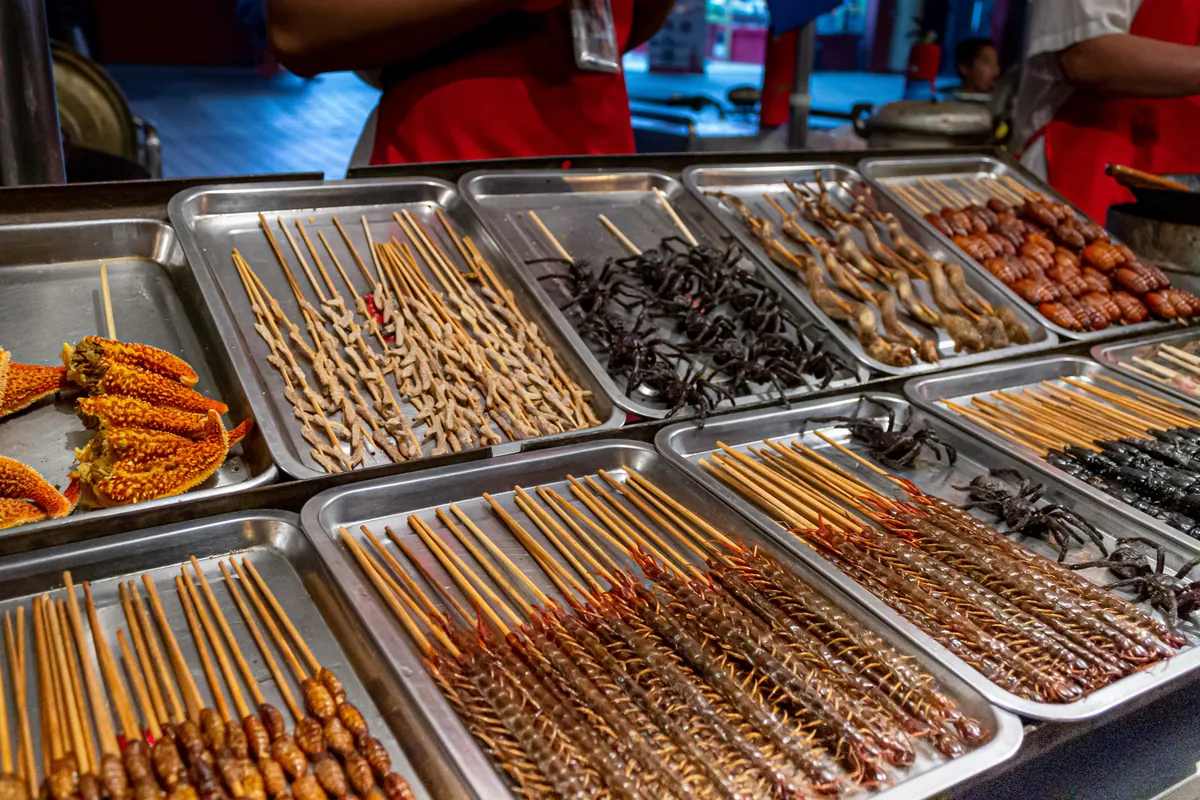 China accounted for 73% of global insect protein patent filings in 2024, according to Appleyard Lees’ report.The report’s co-authors, James Myatt, partner at Appleyard Lees, and Oliver Manners, patent attorney at the firm, identify human food applications as an important driver of mealworm innovation.
“My analysis suggests that almost half of the mealworm filings in 2024 relate to human food applications, so this appears to be a driver, if not the key driver,” they tell Food Ingredients First.
“In many cases this is driven by the nutritional content of mealworms and coming up with ways to more conveniently consume it or make it more palatable.”
Myatt and Manners highlight patent applications from South Korea’s Dong Seoul College relating to mealworm-based dressing sauces. These seek “to maximize the utilization of the nutritional components of mealworms, and to conveniently and effectively consume it.”
They suggest that such applications could indicate a shift from foundational technologies toward more targeted product development.
“This kind of niche application which makes effective use of the novel product perhaps shows that much of the low-hanging fruit has been developed already?”
Meanwhile, black soldier flies remain the leading insect species for patent activity in the report’s species-level analysis, with 64 filings in both 2023 and 2024.
Assessing Europe’s competitive position
According to the report, China recorded 688 insect protein patent filings in 2024, while European filings declined almost 30%, from 55 to 39. Japan also registered a significant decline, with filings falling from 29 to 18.
However, Myatt and Manners caution against interpreting filing volumes as a direct measure of regional competitiveness.
“Patenting practices in China tend to lean toward high volume of patents with a narrower scope whereas, in Europe, applications tend to be broader and lower volume,” they tell us.
“This is reflected in the comparison of the number of applications leading to international families, which requires significantly more investment. It’s therefore difficult to gauge comparative competitive positions in this context.”
South Korea remains the leading country for insect protein patent activity outside China, despite filings falling from 122 to 101.
The country’s Rural Development Administration is the most consistent patent applicant, according to Appleyard Lees. Its applications focus on feed composition for mealworms. Insect farming and production specialist Foodyworm follows.
Meanwhile, patent activity increased in Russia (from 8 to 21 filings), India (12 to 17), and Taiwan (8 to 14).
Russia’s Grozny State Oil Technical University is highlighted as one of the new patent applicants, exploring black soldier fly-based feed for livestock and poultry.
Production innovation takes priority
Production and automation technologies continue to dominate the insect protein patent landscape, accounting for between 69% and 86% of annual filings over the past two decades and 77% in 2024.
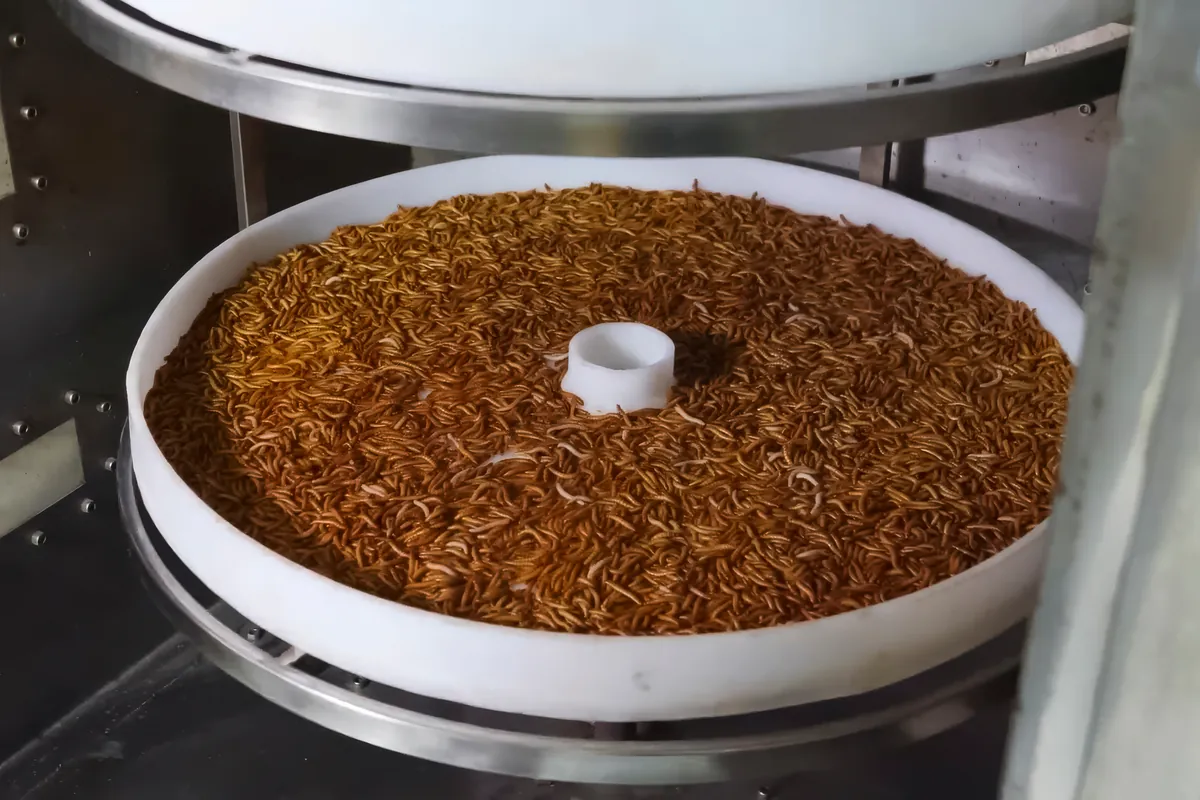 Insect protein manufacturers face financial and operational challenges as they seek to scale industrial production.According to Appleyard Lees’ research, innovators are prioritizing practical production technologies and solutions rather than a pivot to scale-up.
Despite declining patent activity in Europe and Japan, rising filings in China and India, record mealworm patent activity, and the emergence of new patent applicants suggest the sector continues to evolve.
Insect protein’s commercial viability
The growing focus on application-specific innovation comes as insect protein manufacturers seek to overcome barriers to commercialization, particularly in human food applications.
Last year, Food Ingredients First reported on consumer acceptance and investment barriers limiting the commercialization of insect-based foods. Research revealed that 95% of insect industry funding in 2022 went toward animal feed, compared with 5% for human food.
However, consumer research from earlier this year suggests direct exposure to insect-based foods could help overcome initial reluctance. Some 38 Portuguese adults who had never previously consumed insect-based foods preferred an insect protein bar to a conventional cereal bar after sampling.
Beyond consumer acceptance, the insect protein sector faces growing scrutiny over its environmental credentials and commercial viability.
In July, we spoke with the Stockholm Environment Institute (SEI) and the International Platform of Insects for Food and Feed (IPIFF) following research questioning whether industrial insect farming in high-income, temperate countries delivers on its sustainability promise.
While the SEI highlighted challenges surrounding the environmental impact of insect farming and the limited substitution of conventional meat, IPIFF argued that the research relied on outdated data and overlooked developments in commercial insect production.
However, as animal feed adoption grows, insect protein manufacturers are exploring circular feedstocks, waste heat utilization, and industrial integration to improve the sector’s economic and environmental competitiveness.