



MC Mühlenchemie targets high-protein pasta bottlenecks with enzyme platform


Key takeaways
- MC Mühlenchemie unveils an enzyme platform for helping pasta manufacturers achieve 18–30% protein levels while preserving texture and cooking performance.
- New solutions tackle high-protein pasta hurdles, including dough instability, extrusion issues, and sensory changes.
- The platform combines enzymes, protein calculation tools, and pilot testing to support high-protein pasta NPD.
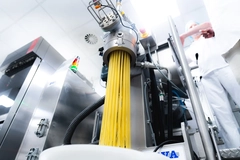 (All image credits: MC Mühlenchemie).
Flour treatment expert MC Mühlenchemie has launched functional enzyme systems to support pasta manufacturers in developing protein-enriched products while maintaining texture, sensory quality, and cooking stability.
The formulation support platform combines the company’s Pastazym HighProtein enzyme systems, the MC Protein Calculator, and its Pasta Lab pilot facility in Ahrensburg, Germany.
High-protein pasta is gaining attention among manufacturers looking to combine familiar staple foods with functional nutrition positioning, especially with shifting consumer habits, including GLP-1 use and demand for satiety.
MC Mühlenchemie’s solutions allow manufacturers to manufacture pasta with protein levels ranging from 18% to 30%. They also help companies address challenges associated with increasing protein enrichment — unstable doughs, more difficult extrusion, and higher susceptibility to breakage, to name a few.
“At protein contents up to about 22%, the challenges can generally be dealt with using targeted enzyme technology,” says Jana Russnak, head of Pasta Applications at MC Mühlenchemie.
“At higher percentages, the dough behavior changes considerably, making additional support of the gluten network beneficial.”
How protein enrichment changes pasta performance
Protein-enriched pasta forms part of a broader trend where consumers continue to look for foods with higher protein content to meet their health goals.
MC Mühlenchemie cites Innova Market Insights’ “High Protein Food & Beverage in Europe” report (May 2026), which identifies protein as “the most important food trend of the decade.” One in ten new foods launched in Europe carries a protein claim, and seven in ten Europeans across all age groups are paying attention to protein in their diet.
However, there is a technical caveat manufacturers must overcome: in high-protein pasta formulations, increasing the protein content simultaneously affects how the dough and final product work in pasta formulations, explains MC Mühlenchemie. The amount and the source of the protein affect the final product quality.
Using alternative protein sources like wheat germ and legumes often “overpowers the typical pasta flavor and alters the characteristic yellow color,” the company asserts.
Studies also show that adding plant proteins changes pasta formulation characteristics, including water absorption behavior. This is important because pasta dough depends on controlled hydration of starch and proteins to achieve the right extrusion and cooking properties.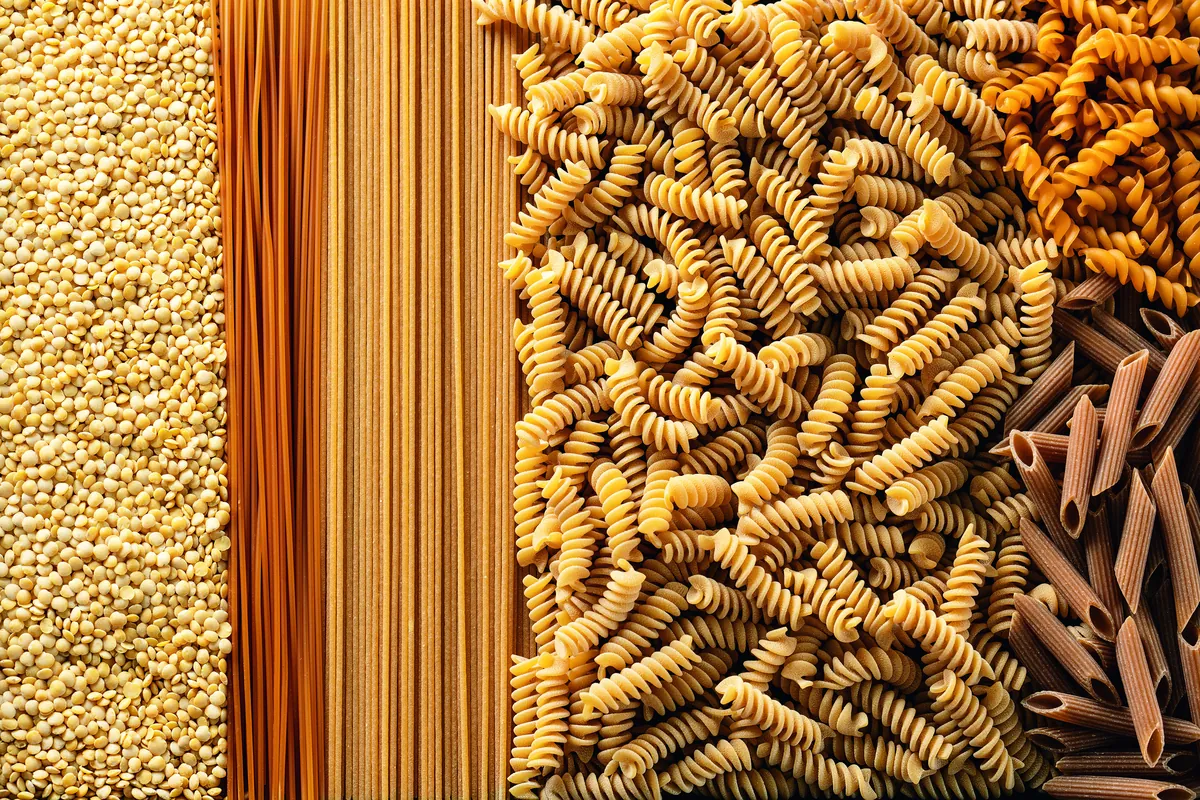 High-protein pasta formulations must balance nutritional targets with sensory qualities such as bite, surface texture, and cooking performance.
MC Mühlenchemie adds: Manufacturers also face issues with “unstable doughs, more difficult extrusion, higher susceptibility to breakage,” rough or matte surfaces, sticky textures, and variable cooking stability.
Stabilizing dough protein with enzymes
MC Mühlenchemie’s enzyme systems help manufacturers overcome these challenges by stabilizing the protein network, reducing stickiness, improving surface quality, and supporting cooking tolerance.
The platform follows two approaches.
“For recipes containing up to 22% protein, Mühlenchemie offers purely enzyme-based solutions,” says Agostino Coppola, chief developer of the High-Protein Platform and senior pasta technologist at MC Mühlenchemie.
“For higher protein targets, we extend this approach by combining enzymes with wheat gluten in order to further stabilize the dough structure and limit the proportion of flavor-intensive protein flours.”
Besides enzyme technology, the company says its MC Protein Calculator can help companies with recipe development by estimating achievable protein levels based on selected raw materials. It also cuts development time and trial requirements.