

EU procurement reform could unlock new markets for sustainable ingredients

Key takeaways
- EU procurement reform could shift public food purchasing toward quality, sustainability and supply chain resilience.
- ProVeg and IFOAM welcome the focus on food procurement, but seek stronger sustainability requirements.
- Business groups warn against complexity, stressing competitiveness, affordability and supplier access.
The European Commission’s proposed Public Procurement Act (PPA) could reshape how public institutions buy food, shifting the focus away from lowest-cost tenders toward broader considerations around quality, sustainability, and supply chain resilience.
The proposed PPA aims to simplify existing rules while giving public buyers more flexibility to consider factors beyond price. The legislation would replace a complex framework of directives with a single regulation and introduce a stronger emphasis on the Best-Price Quality Ratio (BPQR). This would allow criteria like sustainability and social value to play a greater role in purchasing decisions.
Public procurement represents around 14% of EU GDP, according to the commission, making it a significant lever for influencing markets and advancing policy objectives.

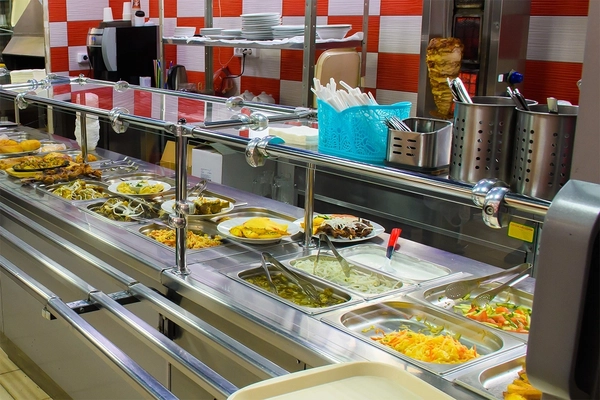
The reform could influence how schools, hospitals, universities, and public canteens source ingredients and finished products across Europe, potentially creating new opportunities for sustainable ingredients, organic products, and healthier formulations.
Food sustainability organizations have welcomed the move, but argue that the legislation must go further to ensure sustainable food becomes the default choice rather than an optional consideration.
ProVeg calls for healthier and more sustainable food procurement
ProVeg welcomed the inclusion of a dedicated food procurement provision within the proposed legislation, describing it as an important recognition of the role public purchasing can play in supporting healthier and more sustainable food systems.
The organization argues that clearer requirements are needed to guide public authorities toward food choices that support better health outcomes and lower environmental impacts.
For ingredient suppliers, this could create opportunities in areas such as plant-based proteins, nutrient-dense formulations, and lower-impact ingredients.
However, ProVeg argues that voluntary approaches may not be enough to drive meaningful transformation, calling for stronger requirements that encourage public institutions to include healthier and more sustainable options.
Organic sector sees opportunity for farmers and supply chains
IFOAM Organics Europe has also welcomed the recognition of food procurement within the PPA, highlighting the role of organic products in supporting EU environmental and social objectives.
The organization points to the proposal’s references to priorities, including fairness and transparency in supply chains, organic production, nutritional value, freshness, seasonality, and animal welfare. EU procurement reform could boost demand for sustainable ingredients in public food systems.
According to IFOAM Organics Europe President Dóra Drexler, sustainable public procurement can create wider environmental, social, and economic benefits, while opening new markets for producers using sustainable farming methods.
“Every euro invested as a one-time investment in sustainable food procurement can generate up to €35 (US$40.7) of saving on health costs alone annually,” Drexler said. She argued that public canteens should increasingly source organic products to ensure public spending supports public goods.
IFOAM welcomed the move away from lowest-price as the default award criterion. Eduardo Cuoco, director of IFOAM Organics Europe, highlighted that replacing the lowest-price criterion with BPQR could give public buyers greater flexibility to prioritize higher-quality products, including organic foods.
However, the organization warned that the current proposal lacks sufficient ambition. It argues that sustainability criteria remain too open to interpretation, while broad exemptions could weaken the impact of BPQR.
IFOAM also criticized the lack of a clear pathway toward making environmental and social criteria mandatory in future procurement rules.
Industry questions around cost and competition
While sustainability organizations are calling for stronger requirements, business groups have urged policymakers to ensure the revised procurement framework does not undermine competition or create unnecessary administrative burdens.
The commission’s proposal aims to strengthen European supply chains by giving public authorities more tools to consider resilience, sustainability, and European content in procurement decisions. Food sustainability organizations urge stronger rules for healthier food choices in public canteens.
However, BusinessEurope has cautioned that procurement rules should remain focused on competitiveness and market access. While welcoming simplification and digitalization, the organization warned that adding too many policy objectives could reduce competition and increase complexity for businesses.
“Overloading the rules with secondary objectives risks reducing competition and increasing administrative complexity,” said Markus J. Beyrer, director general of BusinessEurope.
New opportunities for ingredient suppliers
If implemented with stronger sustainability criteria, the PPA could create opportunities for suppliers developing ingredients aligned with public health and environmental priorities.
Potential beneficiaries could include organic ingredient producers, plant protein suppliers, fiber and whole-food ingredient innovators, sustainable agricultural supply chains, and ingredients supporting healthier reformulation.
For food manufacturers, public procurement could become another demand channel alongside consumer trends and regulatory pressure, accelerating investment in products that combine nutrition, sustainability, and affordability.