


Protein pasta goes mainstream as heritage brands embrace functional reformulation


Key takeaways
- Protein pasta moves into the mainstream as both heritage and major brands launch high-protein extensions to meet demand for functional staples.
- Rummo’s Maxima range reflects a broader strategy of enhancing traditional pasta with added nutrition, while maintaining taste and texture.
- Shifting consumer habits, including GLP-1 use and demand for satiety, are driving reformulation toward higher protein and fiber in everyday foods.

As the functional foods trend gathers pace, pasta makers are moving to modernize one of the world’s most established staples. Italian pasta maker Rummo is among a growing number of brands entering the protein pasta space, reflecting rising demand for products that combine convenience, familiarity, and enhanced nutrition. The shift highlights how even heritage categories are evolving to meet changing consumer expectations.
Amid growing demand for better-for-you foods, the family-owned pasta brand recently extended its line to include the new Maxima range, positioned as “protein-forward pasta” made with durum wheat semolina and yellow peas. Maxima delivers 21 grams of protein per serving from just two organic ingredients.
Founded in 1846 in Benevento, southern Italy, the legacy brand applies the same patented “Lenta Lavorazione” (slow processing) method, which it claims preserves the integrity of the wheat, to the new protein-enhanced line. The products come in six shapes: spaghetti, penne rigate, rigatoni, fusilli, elbows, and linguine.
The rise in functional foods
As a globally consumed staple, pasta has become a prime candidate for the functional foods trend, with producers innovating to meet growing demand for nutritious convenience.
As a heritage brand, Pasta Rummo says it is deliberately stepping into the functional foods space by creating a functional version of what the family has been making for over 179 years.
Antonio Rummo, general manager of international sales, USA, talks to Food Ingredients First about how pasta has a firm place in modern-day diets, including for consumers looking for high-protein and fiber-enriched options, and users of GLP-1 medications with suppressed appetites who are seeking nutrient-dense functional food.
“Maxima is made using our signature Lenta Lavorazione method, the slow, precise process that gives Rummo its perfect al dente texture, but we’ve added yellow peas to naturally increase protein and fiber. That balance keeps the integrity, flavor, and texture of classic Rummo while offering something new.”
“The response has been fantastic. Sales are going great, and the demand has already helped drive expanded distribution to retailers including Whole Foods, Sprouts, Giant Company, ShopRite, Central Market, Hy-Vee, and The Fresh Market.”
Protein-forward pasta aligns with dietary shifts
The rise of GLP-1 users is pushing this segment of consumers toward smaller portions and more satiating foods, reshaping demand in staple categories like pasta. In turn, producers are reformulating with higher protein, fiber, and lower glycemic impact to stay aligned with these shifting habits.
Maxima is not specifically marketed toward GLP-1 users, but its high protein content makes it appealing to people seeking more nutrition from smaller portions.
“Pasta absolutely has a place in a balanced diet. The key is quality ingredients and reasonable portions, which is something Italians have understood for a long time. What we’re seeing now is greater interest in foods that offer additional nutritional benefits, like higher protein or more fiber, while still being familiar and comforting,” says Rummo.
“Products like Maxima allow people to enjoy pasta while also getting more protein in their meals. Our approach is not to change what pasta is, but to offer options that fit the way people are eating today.”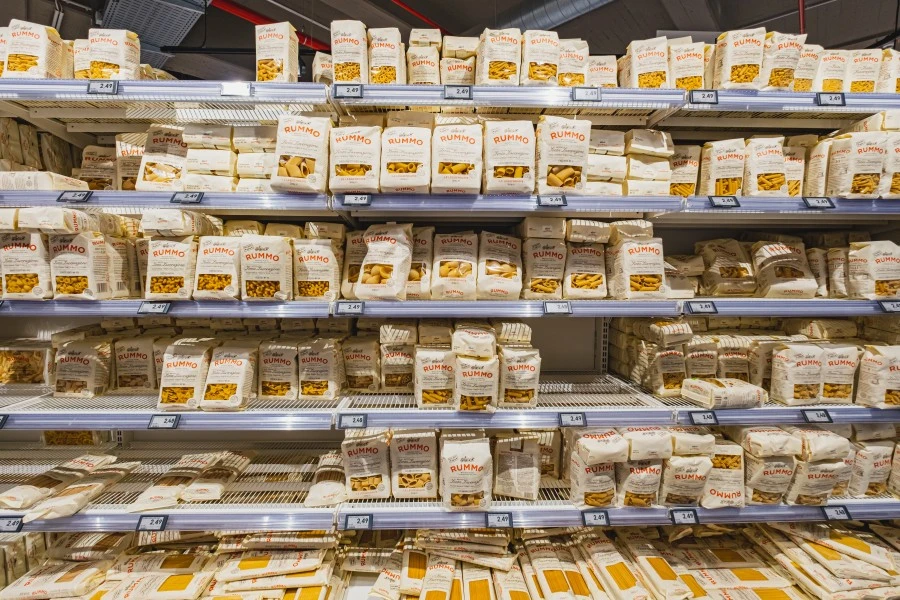 Pasta Rummo says consumers are seeking familiar and comforting pasta but they have a greater interest in brand extensions that offer additional nutritional benefits.
Consumers seek simple ingredients
Rummo stresses how consumers are becoming increasingly aware of what’s in their food, where it comes from, and how it is made, yet they still crave the familiarity and comfort of classic meals.
The company was recently showing innovations at Expo West 2026 in California, where the US market has seen a surge in demand for natural and premium products. Rummo notes how protein stood out as a major theme at the trade show, but what was also clear is how much consumers are paying attention to ingredient quality and simplicity.
“Pasta naturally bridges that gap, which makes the category so exciting. We’ll see brands pushing the boundaries with nutrition, ingredients, and formats, all while keeping the traditions and flavors that people love intact. We’ll continue to see more interest in simple, high-protein foods that are both wholesome and enjoyable. People don’t want to sacrifice taste for nutrition,” Rummo says.
Protein pasta innovation accelerates
Protein pasta innovation has grown over the last year, with many brands launching high-protein extensions to existing lines.
Byodo Naturkost launched Protein Plus Pasta, “the first” protein-enriched, organic pasta in Germany. It is made from Italian durum wheat semolina, protein-rich wheat protein, and pumpkin seed flour, and provides 20% protein.
Pasta Garofalo introduced a high-protein pasta in the US in October 2025, and the Kraft Mac & Cheese brand also introduced the PowerMac, with 17 grams of protein and 6 grams of fiber per serving. Earlier this year, Spanish pasta brand Grupo Gallo launched Gallo +Proteína with 17 grams of protein per serving and made from a blend of wheat and pea protein.
Cizzle Brands introduced HappiEats Sport Pasta last year, which is specifically marketed as a high-protein, low-GI pasta targeting athletes. It is made from lentils, quinoa, and beans and is positioned to support muscle recovery and sustained energy release.