
Chickpeas take center stage in Banza’s high-protein pasta innovation


Key takeaways
- Banza launches Wheat Protein Pasta, combining chickpeas and semolina wheat, while maintaining traditional pasta’s texture and taste.
- The company emphasizes ingredient transparency, with clean labels and a focus on chickpeas as its “hero ingredient.”
- The food industry is increasingly exploring high-protein variants of staples, driven by consumer demand for healthier and more nutritious foods.
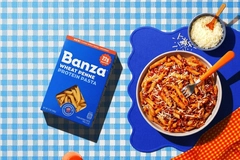
US-based Banza has unveiled a semolina wheat protein pasta containing chickpea, as F&B innovators rethink staples to meet consumer demands for high-protein foods. The launch marks the company’s first expansion beyond gluten-free products and advances its better-for-you offerings, while retaining the taste and texture of traditional pasta.
Banza Wheat Protein Pasta offers 22 g of protein and 7 g of fiber per serving, and Banza Wheat Mac & Cheese delivers 16 g of protein and 4 g of fiber per serving. The company also manufactures gluten-free products, and emphasizes that the new wheat-based range is produced in a “dedicated, separate facility” from its gluten-free lines.

Banza, which calls chickpea its “hero ingredient,” develops pasta, pizza, mac and cheese, and waffles using the legume. The Michigan-based firm says 80% of US consumers don’t eat enough of the high-protein ingredient. Research suggests that while chickpea consumption among US adults doubled between 2003 and 2018, it still remains low compared with other foods.
Banza CEO and co-founder Brian Rudolph describes the shift toward high-protein consumption as “one of the biggest forces” shaping the category presently. “Protein has become a “top priority for consumers, especially families looking for easy, reliable ways to get more nutrition into everyday meals,” he tells Food Ingredients First.
Innova Market Insights has identified “Powerhouse Protein” as this year’s top F&B trend, finding that nearly 60% of global F&B consumers are actively incorporating more protein into their diets.
Rudolph calls chickpeas “one of the best” foods for human health and the environment, adding that Banza already introduced chickpea pasta back in 2014.
“Our Wheat & Chickpea Protein Pasta is a natural evolution of our mission to get people to eat more chickpeas. It allows us to deliver the traditional pasta experience people crave, while boosting protein in a meaningful way. With this launch, we are meeting mainstream pasta eaters where they are.”
The company is launching the Wheat Protein Pasta in Rotini, Penne, and Elbow shapes on TikTok Shop today. It plans to roll out its products across major US retailers, including Fresh Direct, Kroger, Sprouts, Target, Publix, and Whole Foods Market next month.
Overcoming high-protein pasta challenges
Banza’s new Wheat Protein Pasta “balances semolina wheat with chickpeas” to ensure enhanced nutrition without compromising the sensory experience, explains Rudolph. “That’s a difficult challenge because increasing protein often comes at the expense of taste or texture.”
 Heritage foods like pasta are evolving to meet changing consumer expectations to support their health goals.Researchers point to various physical and sensory challenges while developing high-protein pasta, as traditional durum semolina gluten provides firmness, while non-gluten proteins result in less elastic dough that is often harder to process during pasta production.
“We focused on getting all three right — taste, texture, and nutrition. The result is a pasta that cooks, looks, and eats like traditional wheat pasta, but delivers significantly more protein using simple, recognizable ingredients,” Rudolph notes.
Ensuring ingredient transparency
Consumers’ interest in understanding their food’s farm-to-fork journey has increased in the past few years, encouraging F&B manufacturers to focus on clean label ingredients and transparency.
Rudolph explains how these demands challenge high-protein pasta formulation: “One of the biggest gaps in the high-protein pasta category today is that many products either don’t fully deliver on the pasta experience or only have a marginally higher amount of protein. We designed our product to do both.”
“From a sensory standpoint, it’s very close to traditional pasta — neutral, lightly wheaty, with a firm, bouncy texture that holds up well with sauce. It cooks like regular pasta and fits seamlessly into meals people already make.”
“Nutritionally, we’re delivering high protein (22 g per 3.5 oz serving), while keeping a clean, simple ingredient list. That combination of great taste, strong macros, and ingredient transparency is where Banza stands apart.”
Expanding protein offerings
Banza’s new launch expands its existing portfolio of Chickpea Pasta and Brown Rice Pasta, which are targeted toward gluten-free consumers.
 Banza has received the CleanScan certification which verifies its products were tested and cleared as non-detectable for over 400 pesticides.“We saw a large and growing group of consumers who aren’t gluten-free but are actively seeking more protein, and would prefer a pasta made with wheat. This new line allows us to meet both needs.”
“We’re expanding the tent, not shifting it, and offering multiple ways to make pasta more nutritious. At the end of the day, whether it’s gluten-free or wheat-based, the goal is the same — help people eat better versions of the foods they already love.”
The company has also transformed its packaging design across its pasta and mac and cheese portfolio, with each line having a “distinct colorway” to help consumers find the Banza products right for them.
Exploring new chickpea formats
Looking ahead, chickpeas remain Banza’s “hero ingredient,” with a focus on improving nutrition across familiar foods, as the legumes offer a means for vegetarians and flexitarians to optimize their protein intake.
“Our ambition is to continue reimagining everyday comfort foods through the lens of better nutrition, always anchored in chickpeas and simple ingredients. That could mean new formats, new use cases, and continued expansion beyond pasta over time,” says Rudolph.
“That’s where we’re focused: making healthier choices feel effortless, familiar, and genuinely enjoyable for more people.”
As the functional foods trend gathers pace, pasta makers are moving to modernize one of the world’s most established staples. Italian pasta maker Rummo and Kraft Heinz are among a growing number of brands entering the protein pasta space, reflecting how even heritage categories are evolving to meet changing consumer expectations.



Upcoming webinars

Oat-Standing Ingredients - Showcasing Irish Grain Through Innovation
Tirlán Ingredients

2027 Food Safety Risks for Quality & Compliance Leaders
FoodChain ID

Formulating for function: Developing benefit-led beverages with natural colours, botanicals, and flavours
Givaudan Sense Colour