


Healthy snacking evolves as protein, fiber, functionality and convenience drive innovation


Key takeaways
- Protein and fiber are reshaping healthy snacking, as consumers seek greater nutritional value, satiety, and functional benefits.
- Taste, texture, convenience, and affordability remain critical, with brands balancing healthier formulations against consumer expectations for enjoyment.
- Personalized nutrition and occasion-based innovation are gaining momentum, driving more targeted snacks designed around specific consumer needs and lifestyles.

The definition of “healthy snacking” is evolving. Where healthier choices were once largely associated with cutting calories, fat, sugar, or salt, consumers are increasingly looking for snacks that deliver a positive nutritional benefit, from protein and fiber to functional ingredients, sustained energy, and greater satiety.
For manufacturers, this is creating a more complex innovation challenge: how to develop products that offer meaningful nutritional benefits without asking consumers to compromise on flavor, texture, indulgence, or affordability.
As a result, the healthy snacking category is moving beyond the traditional “better-for-you” proposition. From protein-rich formats and functional nutrition to reformulated versions of familiar treats, brands are exploring new ways to combine nutrition with the qualities that have always made snacks appealing.

The result is a category in which health is becoming less about what a snack takes away and more about what it can add.
We spoke to several key players in the snacking space — ADM, Ingredion, Roquette, Puratos, SVZ, and Valio — about what “healthy snacking” means to consumers now, and how the industry is adapting to meet that demand.
Health moves beyond restriction
Tuula Hietanen, the B2B marketing manager at Valio, examines some of the biggest changes the company is seeing in the healthy snacking category, and how consumers increasingly expect snacks to deliver meaningful nutrition and functionality.
“We are seeing the line between sports nutrition, special nutrition, and everyday snacking becoming less distinct. High-protein products, for example, are no longer only for athletes: they are increasingly part of mainstream diets, supporting needs ranging from active lifestyles and weight management to recovery and healthy aging,” she tells Food Ingredients First.
“At the same time, consumers are looking for more personalized solutions and more value from each meal. Today’s healthy snacks must fit naturally into everyday life: when done right, they combine convenience, sensory enjoyment, and a clear nutritional purpose.”
Michael DiMarcello, the director of marketing and global category lead for Texture & Healthful Solutions,— Bakery & Snacks, & Marketing Excellence, at Ingredion, says consumers no longer separate health from enjoyment: they expect both.
“As snacks evolve from simple treat occasions to vehicles for nutrition, the winners will be brands that deliver meaningful benefits without compromising taste, texture, or value.”
“Healthy snacking is becoming much more intentional as snacks play a larger role in how people eat throughout the day. Consumers still want enjoyment and indulgence, but they are increasingly looking for snacks that provide meaningful nutrition and fit their needs across different eating occasions.”
“Expectations are rising for every bite, particularly as snacks take on more meal-like roles and support smaller, more frequent eating occasions. Value is also being judged more broadly: not only by price, but by whether a product delivers the right balance of nutrition, taste, texture, freshness, and relevance for the moment.”
DiMarcello stresses that the biggest opportunity for brands is to bring positive nutrition and enjoyment together. “Positive nutrition is not about adding more claims. It is about delivering more nutrition per bite without losing what makes food enjoyable. That is where we help brands by connecting consumer insights, ingredient innovation, and formulation expertise to create snacks that are nutritious, satisfying, and worth choosing again.”
Meanwhile, ADM’s consumer research across the US, UK, Germany, Mexico, and China found that 71% of consumers are very or somewhat interested in brands reformulating snacks to reduce less desirable ingredients or add beneficial ones. Fiber, vitamins and minerals, protein, and biotics are among the ingredients consumers most want added, while digestive support, energy, and weight management are among the most sought-after benefits.
“At the same time, it’s important to recognize that snacking is both emotional and functional, and consumers often look to satisfy multiple needs within the same occasion. More than half of hunger-driven occasions also involve indulgence, demonstrating why better-for-you snacks still need to provide the enjoyment and satisfaction consumers associate with the category,” Justin Solomon, senior marketing director, Savory Foods at ADM, tells us.
“This creates opportunities to develop recognizable, craveable formats with more purposeful nutrition and functional benefits. However, manufacturers should avoid a one-size-fits-all approach. While the broader drivers are evident across markets, ADM’s research also shows that the importance of indulgence, hunger, escapism, and long-term nutrition varies by country.”
“Better-for-you snacking innovation should therefore start with the consumer’s need and occasion, then adapt the formulation, flavor profile, and benefits to local expectations.”
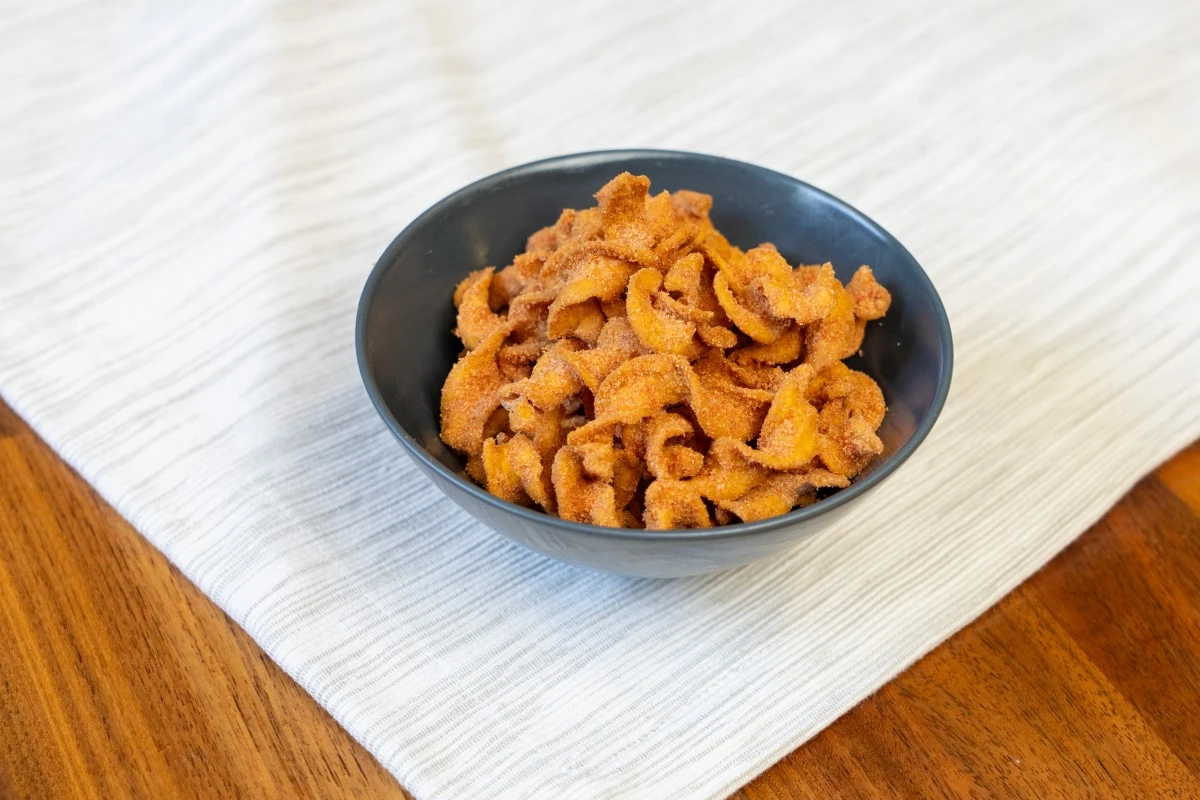 Ingredion's Tomato Miso Pasta snack crisp combines protein, fiber, and a crunchy texture. It demonstrates how brands can create next-generation snacks that meet evolving consumer expectations without sacrificing enjoyment.
More benefits per bite
Consumers increasingly expect healthy snacks to deliver multiple nutritional and functional benefits, giving brands more to consider when determining what to prioritize during new product development or reformulation.
Sophie-Géraldine Delanoë, global segment leader, Marketing Food & Nutrition, Roquette, tells Food Ingredients First that protein and fiber are becoming increasingly important as people seek convenient ways to incorporate more of these nutrients into their diets.
“From supporting active lifestyles and on-the-go nutrition to meeting the needs of older consumers with smaller appetites, high-protein and high-fiber snacks can offer an accessible way to deliver nutrient density alongside convenience,” she says.
“Protein enrichment has become, and remains, a key area of interest. With proven benefits such as muscle maintenance, exercise recovery, satiety, and healthy aging, it’s no surprise that 58% of consumers globally state that they actively include protein in their diets. Plant-based proteins, in particular, are gaining attention as individuals increasingly look for alternative protein sources for health and sustainability reasons.”
She also highlights how demand for fiber is growing, with trends like “fibermaxxing” prompting greater awareness and highlighting the importance of meeting daily fiber requirements.
“More people are focusing on their gut health, knowing that it has benefits far beyond the digestive system. To benefit from this growing trend, brands can incorporate fibers into the NPD process that offer additional functionality, including metabolic and blood glucose management benefits.”
Johan Cerstiaens, managing director, SVZ, agrees that nutritional value is a key consideration in today’s market, particularly for on-the-go consumers with active lifestyles, where snacks are increasingly seen as convenient sources of nutrition that can offer benefits for energy, gut health, immunity, and more.
“There’s a noticeable shift from subtraction to addition. It’s no longer just about ‘taking out the bad’, like reducing sugar, salt, and fat — brands are now expected to bring in more of the good, by building nutritional and functional value back in,” he says.
“Take fiber, for example, one of the most consistently under-consumed nutrients in the average European diet. To fill this gap, formulators are turning to vegetables like carrots and kale, which bring a strong fiber-to-calorie ratio, alongside a naturally low sugar content.”
“With 53% of European consumers wanting to eat more healthily, and regulations such as HFSS classifications and front-of-pack labeling pushing manufacturers toward more balanced nutritional profiles, this ‘balance’ has become an everyday expectation.”
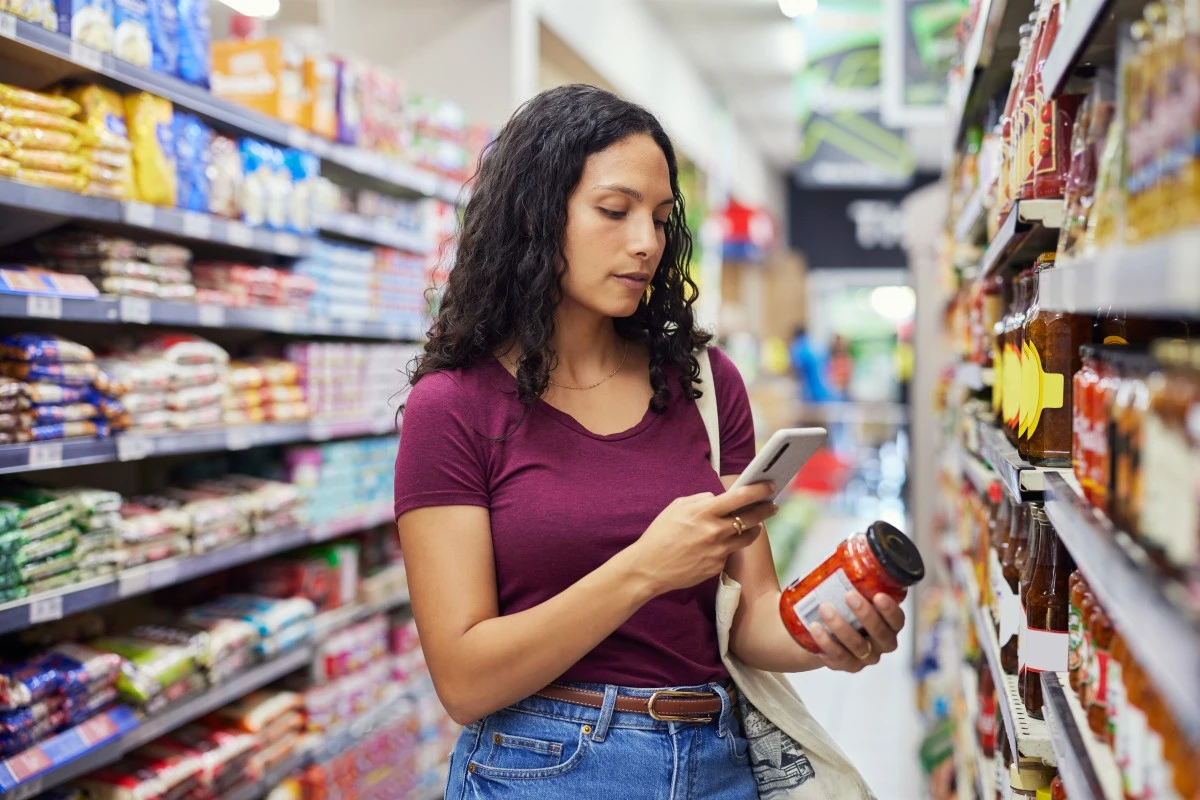 Consumers are becoming more intentional about what they eat, checking food labels to find products that align with their individual nutrition needs, ingredient preferences, and wellness goals.
Balancing health and indulgence
Dr. Sara de Pelsmaeker, group health & well-being director, Puratos, believes that as we move toward more personalized nutrition, different consumer segments are looking for products that address their specific needs.
“This creates an opportunity to layer multiple nutritional ingredients with technologies that help protect the sensory experience and make a snack still feel like a treat. Technology is especially important, as increasing protein or fiber in formulations can impact a wide range of factors in baked snacks, such as hydration, structure, gas retention, and texture. Product development then becomes a complex balancing act rather than a like-for-like replacement,” she tells us.
“Enzymes and improvers are valuable here, helping to manage dough tolerance, volume, softness, freshness, and texture when the nutritional composition of a product becomes more demanding. Fermentation and sourdough can also play an important role, not only in creating flavor complexity but as part of a broader approach to ingredient perception.
According to Puratos Taste Tomorrow, a proprietary consumer insight platform, 58% of consumers globally think that sourdough adds healthiness to bread.
“Sensory science is another increasingly important part of the innovation process. Consumers may say they want something crispy, crunchy, soft, chewy, moist, or melting, but those descriptions need to be translated into technical product development targets,” continues Dr. de Pelsmaeker.
“At Puratos, we combine instrumental texture analysis with sensory expertise to understand how ingredients, processes, and shelf life influence the final eating experience. This is particularly relevant for healthier snacks because nutrition should be about balance, not trade-offs.”
Formulating for what’s next
For next-generation healthy snacking, Hietanen believes high-quality dairy proteins are particularly interesting because they can contribute both nutritional value and product functionality.
“Milk protein provides all essential amino acids while different milk and whey protein solutions can be used across formats ranging from dairy and coffee drinks to puddings, bars, bakery products, and savory snacks,” she says.
“Technologies and ingredient solutions that can solve several formulation challenges at the same time will become increasingly valuable. At Valio, for example, we work with milk protein solutions as well as Valio Eila ingredients to help customers combine nutritional targets with taste, texture, and efficient product development. Application and recipe expertise is equally important, because an ingredient only creates value when it performs in the finished product.”
For Ingredion, clean label texturizers, specialty fibers, resistant starches, plant-based proteins, and sugar-reduction solutions are all important tools for developing healthier snacks. DiMarcello says the opportunity is to use them as part of an integrated formulation that delivers the intended nutrition, sensory experience, shelf life performance, and cost target.
“Digital tools can also help R&D teams navigate formulation complexity. Ask Ingredion, available through the MyIngredion customer portal, is an AI-powered assistant that brings together Ingredion’s technical expertise, product data, and application insights to help teams move from a formulation challenge to a solution more efficiently,” he says.
“Ingredient choices also need to support a clear product proposition. Consumers are paying closer attention to ingredient lists and nutritional information, making it important for brands to communicate what ingredients contribute and why they are used.”
In the years ahead, one important opportunity will be creating snacks that deliver greater “nutrition per bite” while remaining enjoyable, accessible, and relevant to everyday eating occasions,” according to DiMarcello.
“As snacks take on more meal-like roles, brands can make positive nutrition feel natural within familiar, satisfying formats,” he says.
“A key challenge will be delivering that complete experience consistently and at scale. Nutritional goals, taste, texture, freshness, shelf life performance, cost, and label expectations are interconnected. Addressing one priority can create implications elsewhere in the product, making collaboration across consumer insight, ingredient selection, formulation, and sensory optimization increasingly important.”
Cerstiaens explains how consumers want simple ingredients and nutritional claims they can trust, such as low sugar or high fiber. Fruit and vegetable juices, concentrates, and purees can help achieve this by offering a way to boost nutritional value while keeping the ingredient list recognizable.
“Ingredients such as red beet juice, fiber-rich kale, and carrot puree give manufacturers a toolkit for developing snacks that align with where consumers are heading: toward products that are natural and nutritious. The opportunity now is to make healthier snacking feel less like a specialist proposition and more like the logical next step for the category,” he says.
Solomon at ADM also spotlights an opportunity to design more deliberately around specific occasions, lifestyles, and consumer needs. He says that protein bars may play a different role than nuts, crackers, yogurt, or an indulgent baked snack, and innovation does not need to force every benefit into every format.
“Portfolio strategies that match the right nutrition, sensory experience, and format to a defined consumer need may provide distinct snacking moments across a wider range of occasions,” he says.
“The challenge will be managing the growing complexity of those expectations. Manufacturers must simultaneously improve nutrition, address ingredient preferences, manage affordability, and create multi-sensory experiences. The next generation of better-for-you snack development will therefore be defined by how effectively manufacturers balance taste, nutrition, convenience, value, and functionality for snacking occasions.”



Upcoming webinars

Oat-Standing Ingredients - Showcasing Irish Grain Through Innovation
Tirlán Ingredients

2027 Food Safety Risks for Quality & Compliance Leaders
FoodChain ID

Formulating for function: Developing benefit-led beverages with natural colours, botanicals, and flavours
Givaudan Sense Colour