




GNT launches Shanghai office to meet China’s surging demand for clean label colors

Key takeaways
- China’s new official Coloring Foods standard gives manufacturers regulatory clarity for clean label color declarations on packaging.
- GNT’s Shanghai application lab directly addresses China’s rapid two-to-three-month concept-to-launch development cycles for food brands.
- Beverages lead clean label color demand in China, with confectionery, dairy, and snacks generating significant additional interest.
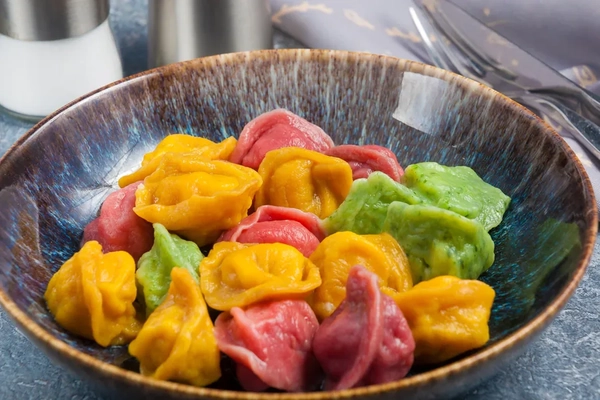
GNT Group has opened its first dedicated sales and application office in Shanghai, marking a significant operational commitment to the Chinese market as demand for plant-based, clean label colors accelerates across the country’s F&B industry. The new facility includes an application laboratory equipped to provide Chinese customers with tailored formulation support.
Food Ingredients First sits down with Andreas Thiede, APAC general manager at GNT Group, to discuss China’s fast-moving markets and the company’s new facility. GNT states that its Shanghai office arrives as China’s regulatory environment is shifting.
Under a new official industry standard introduced last year, Exberry color concentrates — made from non-GMO fruits, vegetables, and plants using physical processing methods and water — are now classified as Coloring Foods. This qualifies GNT’s Exberry line for clean and clear label declarations, such as “carrot coloring ingredient” or “sweet potato coloring ingredient.”

China’s Coloring Foods regulation
According to Thiede, the introduction of the official industry standard is the most significant regulatory development for the category in China. Coloring Foods are color concentrates made from fruits, vegetables, plants, or algae that are normally consumed as foodstuffs, produced using physical processing methods without selectively extracting the pigments from the raw materials.
China operated for several years with a voluntary group standard for Coloring Foods that was well recognized but lacked official industry endorsement. The formal standard changed that, giving manufacturers regulatory clarity around cleaner label declarations and mandating strict measures to ensure all Coloring Foods meet defined safety standards.
The principle is straightforward — coloring food with food. Thiede emphasizes that GNT offers a full spectrum of Exberry color concentrates in China, all of which meet the new standard. For brands navigating consumer demand for transparency, he says the distinction between a clean label declaration and synthetic additive language carries commercial weight.
Furthermore, Thiede points out that some Chinese brands are going further than compliance requirements.
“Brands will sometimes have specific preferences for which raw materials they’d like to appear on the label,” he explains. “They might like to see spirulina there, for example, if they want to add a functional health halo to their ingredient lists.”
“We always work with the customer to try to find the best possible solution in terms of not only the shade and stability but also labeling and cost.”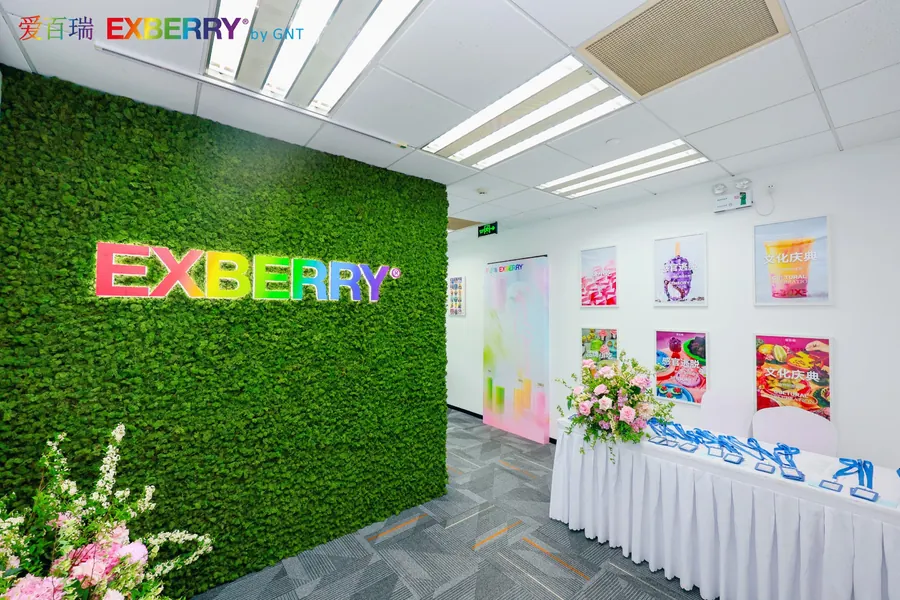 GNT’s new Exberry office in Shanghai, China.
Natural color formulation
China’s F&B industry is large and it moves fast. Thiede notes that timelines from concept to launch vary significantly depending on category and format. In fast-moving segments like limited-time offers at quick-service restaurants, development cycles can run as short as two to three months. In other cases, nine months to a year is more typical.
Thiede stresses that, in China, a large proportion of F&B companies operate at the shorter end of those timescales. He says that the country’s fast pace places a premium on local technical support and formulation expertise.
“With plant-based colors, formulation support is hugely important,” he says. “Exberry colors can deliver a full spectrum of vibrant, stable shades in almost any application, but formulation know-how is essential.”
He highlights GNT’s Shanghai application lab as a direct response to the speed at which Chinese customers expect to move from concept to commercial launch.
Meeting clean label demands
Across categories, Thiede identifies beverages as the strongest area of demand for plant-based colors in China, especially in the ready-to-drink functional drinks and fruit-based drinks categories. He says these are products where consumer clean label expectations are high and where color plays a central role in purchase appeal.
Beyond beverages, he points to confectionery, dairy, and snacks as categories generating significant demand for plant-based color solutions. Thiede asserts that the clean label trend is about trust. Consumers around the world want to feel confident that their food and drink are safe and natural.
In China, with a formal regulatory framework now in place to support that confidence, he spotlights that the conditions for accelerated adoption are building.
“With our China office and application lab, we can now provide faster, hands-on support, with trials and application guidance tailored to Chinese production conditions,” Thiede says. “This allows our customers to quickly develop clean label products, while achieving bright shades that last throughout the shelf life.”