


Fi Europe 2026: Hydrosol and Planteneers to spotlight cost-efficient hybrid meat and dairy

Key takeaways
- Hydrosol and Planteneers will showcase hybrid meat and dairy concepts at Fi Europe 2026.
- The companies’ fermented dairy drink blends milk and plant proteins to deliver 20 g of protein per 230 mL.
- Replacing some meat with plant ingredients can lower costs, depending on the recipe and local prices.
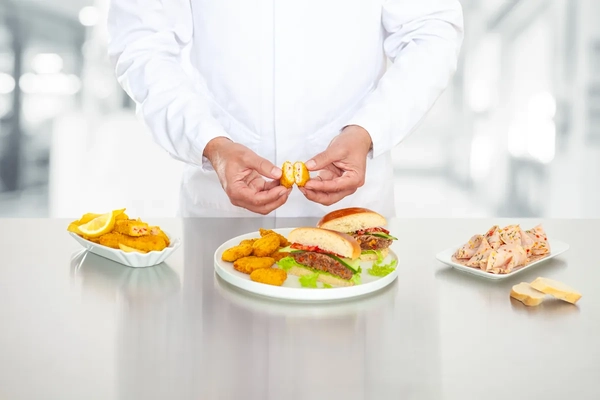
Hybrid foods allow F&B manufacturers to combine animal- and plant-based ingredients with improved cost efficiency, nutritional value, and sensory appeal, according to Hydrosol and Planteneers.
The sister companies will showcase hybrid cabanossi sausages with 50% less meat and meatballs with 70% less meat at Fi Europe 2026 in Frankfurt, Germany (Nov 17–19). They will also present dairy beverages that replace part of the milk protein with plant protein.
The functional systems for the hybrid meatballs can be used for other formats and flavor profiles, including burgers, cevapcici, ground meat, cold cuts, and chicken products.
Food Ingredients First speaks with Dr. Pia Meinlschmidt, head of product management at Planteneers, and Kirsten Jacke, senior product manager at Hydrosol, ahead of the trade show next week about where hybrid formulations make commercial sense and how manufacturers can manage costs while preserving familiar tastes and textures.
Familiar hybrid formats gain traction
Consumer research has highlighted a growing interest in hybrid meat, particularly among flexitarians, with taste, quality, and nutrition shaping purchase intent. Innova Market Insights’ research found that 32% of consumers globally cited health as a reason to try hybrid meat, while 28% pointed to animal welfare.
 Dr. Pia Meinlschmidt: Cost savings attract commercial interest, while taste and texture drive repeat purchases.Meinlschmidt at Planteneers attributes the growing acceptance of hybrid products to their seamless fit into flexitarian eating habits and the “familiar sensory experiences” they offer to consumers, especially younger generations.
“They offer the familiar taste and texture of meat, fish, and dairy products — with an improved cost structure and additional nutritional or functional benefits. In doing so, they enable consumers to incorporate more plant-based ingredients into their diets using familiar foods,” she says.
She points to a shift in focus from simply reducing meat consumption to nutritional value, taste, and affordability. A wider selection of functional plant-based proteins ensures optimal taste and better texture.
“Hybrid products are, so to speak, increasingly becoming a segment in their own right. Compared to purely plant-based foods, they cater to different needs.”
Hydrosol and Planteneers’ hybrid cabanossi sausages, which will be showcased at Fi Europe, demonstrate the move toward products that combine conventional meat with plant-based ingredients without abandoning familiar formats. The companies describe these products as protein-rich sources of fiber containing reduced saturated fatty acids.
Managing volatile ingredient costs
While consumer demand is helping hybrids gain traction, the economics of ingredient sourcing are also driving formulation decisions. By reducing the meat content to 70% in meatballs, the companies say manufacturers can offer attractive pricing structures in view of the current high beef prices.
Jacke at Hydrosol says fluctuations in raw material prices lead to the need for flexible recipes.
“Replacing some of the meat with plant-based ingredients can contribute significantly to cost optimization. However, the actual savings depend on the overall recipe and local ingredient prices.”
“But here, too, the rule applies: low cost alone is not the sole criterion. Taste, texture, and juiciness remain crucial.”
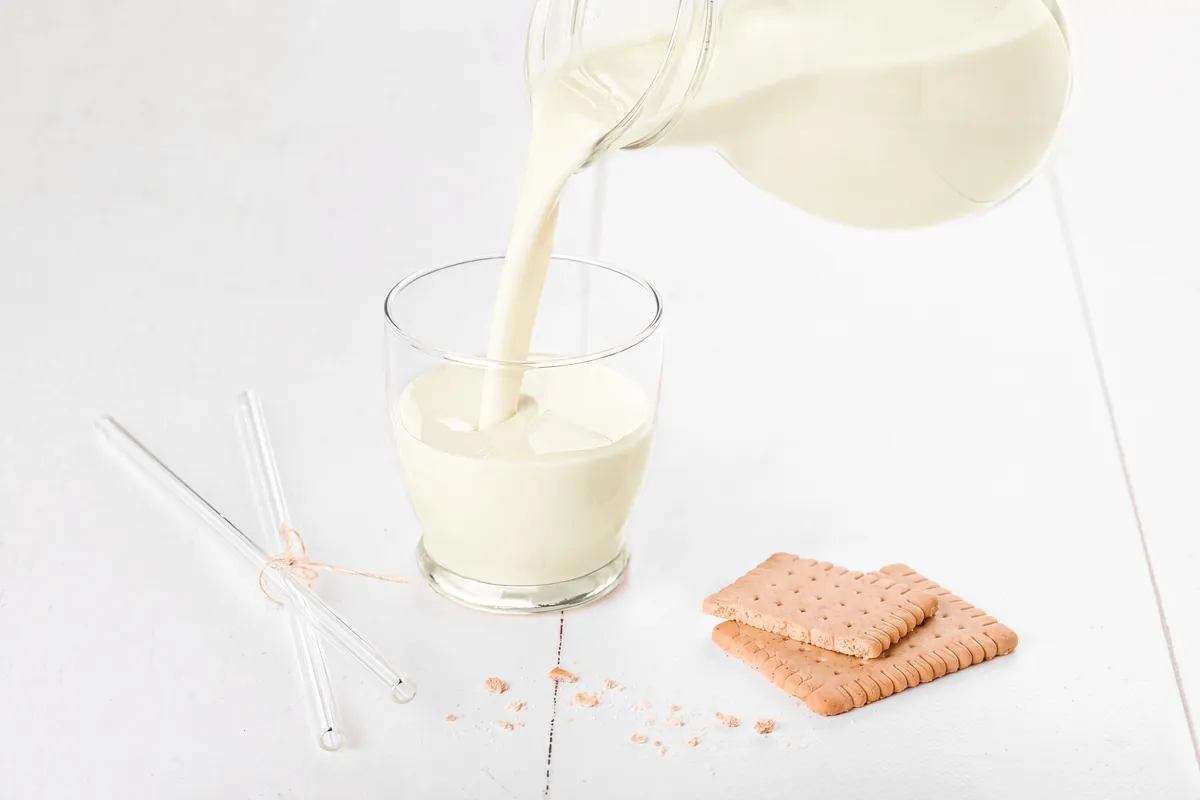 Protein selection, stabilization, and processing shape the texture of drinks that blend milk and plant proteins.Meinlschmidt similarly notes that while cost savings attract commercial interest, “taste and texture drive repeat purchases.”
“Nutritional benefits offer another way to differentiate products. Depending on the recipe, hybrid products can contain additional dietary fiber and plant-based proteins or stand out for their reduced fat content.”
“Clean label positioning and flexibility in sourcing depend on customer preferences.”
Dairy meets plant protein
At Fi Europe 2026, Planteneers and Hydrosol will showcase a hybrid milk-based fermented high-protein beverage containing 20 g of protein per 230 ml. The “plant-enriched drink” combines milk and plant proteins and is fortified with calcium, magnesium, zinc, and vitamins D, B6, and B12.
Jacke points to the technical implications of protein availability and pricing in dairy, where manufacturers are seeking high protein content alongside cost optimization.
“Replacing a portion of the milk protein with selected plant-based proteins can help achieve this — while also having a positive effect on the final product. This is because different protein sources offer additional possibilities.”
“In some formulations, for example, milk proteins and plant-based proteins can work together to improve sensory quality. However, these benefits depend on the application, the protein blend, and sourcing conditions,” she explains.
Manufacturers must “optimally coordinate” protein selection, stabilization, and processing to blend proteins successfully.
Convenience shapes hybrid innovation
Meinlschmidt identifies high-protein dairy and savory snacks as especially promising markets for hybrid F&B innovations.
 Kirsten Jacke says blending milk and plant proteins can improve sensory quality, depending on the protein blend and sourcing conditions.“Hybrid dairy products can combine protein fortification, cost optimization, and an appealing texture. Interesting application areas here include beverages and fermented products,” she says.
At Fi Europe 2026, the companies will highlight these concepts in a milk-and-oat drink containing magnesium and B vitamins, that targets the mental wellness trend, and ready-to-eat (RTE) kebab balls with integrated dip, designed for consumption hot or cold.
They will also showcase new protein formats such as mycoprotein-based chicken alternatives suitable for air frying, plant-based charcuterie, and mango protein bars without added sugar.
Meinlschmidt describes meatballs and sausages as “tried-and-true starting points for hybrid products” due to their versatility and integration in RTE meals.
Meanwhile, savory snacks offer the opportunity to combine taste, convenience, and nutritional benefits.
“Success, however, depends on clear benefits — excellent taste, good value for money, and relevance to everyday life.”