



Crispness over crunch? Tate & Lyle research reveals the ideal cracker texture

Key takeaways
- Consumers prefer crackers that combine crispness, easy breakdown, and a light eating experience, rather than excessive hardness or density.
- Adding protein and fiber can compromise cracker structure and texture, but targeted solutions, such as film-forming starches and polydextrose, can help maintain product quality.
- Changing consumer preferences, particularly among Gen Z, are opening up opportunities for new sensory experiences across crackers and wider snack categories.

More crunch does not necessarily make a better cracker, according to new research from Tate & Lyle, which has found that consumers prefer a balance of crispness and crunch over products that are excessively hard or dense.
The findings, based on a study of 108 North American consumers, form the basis of a new cracker edition of Tate & Lyle Sensation, a formulation tool designed to help manufacturers translate consumer texture preferences into practical product development targets.
The research also highlights the challenges of incorporating protein and fiber into crackers while maintaining the textures and eating experiences consumers enjoy.
Understanding the ideal cracker
Tate & Lyle wanted to capture a broad picture of cracker preferences among regular consumers, so recruited participants from a range of demographic backgrounds who had purchased and consumed crackers regularly over the previous three months, according to Veronica Cueva, acting chief science and innovation officer at Tate & Lyle.
The company wanted to understand how to improve the structural strength of a cracker while preserving the light texture that consumers enjoy.
“We used a simplified water-cracker formulation to examine how different ingredients influence the structure of the finished product. By incorporating X-Pand’r, a film-forming starch, we were able to strengthen the internal network of the cracker, making it more robust and reducing breakage fourfold compared with the formulation without it,” says Cueva.
“This is a good example of how relatively targeted ingredient changes can help address a specific formulation challenge without losing sight of the desired eating experience. Of course, model systems are deliberately simplified, so findings need to be validated against the specific recipes, processes, and conditions used in commercial production.”
“But they give us a valuable starting point for understanding which ingredient solutions could help manufacturers improve product strength while maintaining the texture consumers want.”
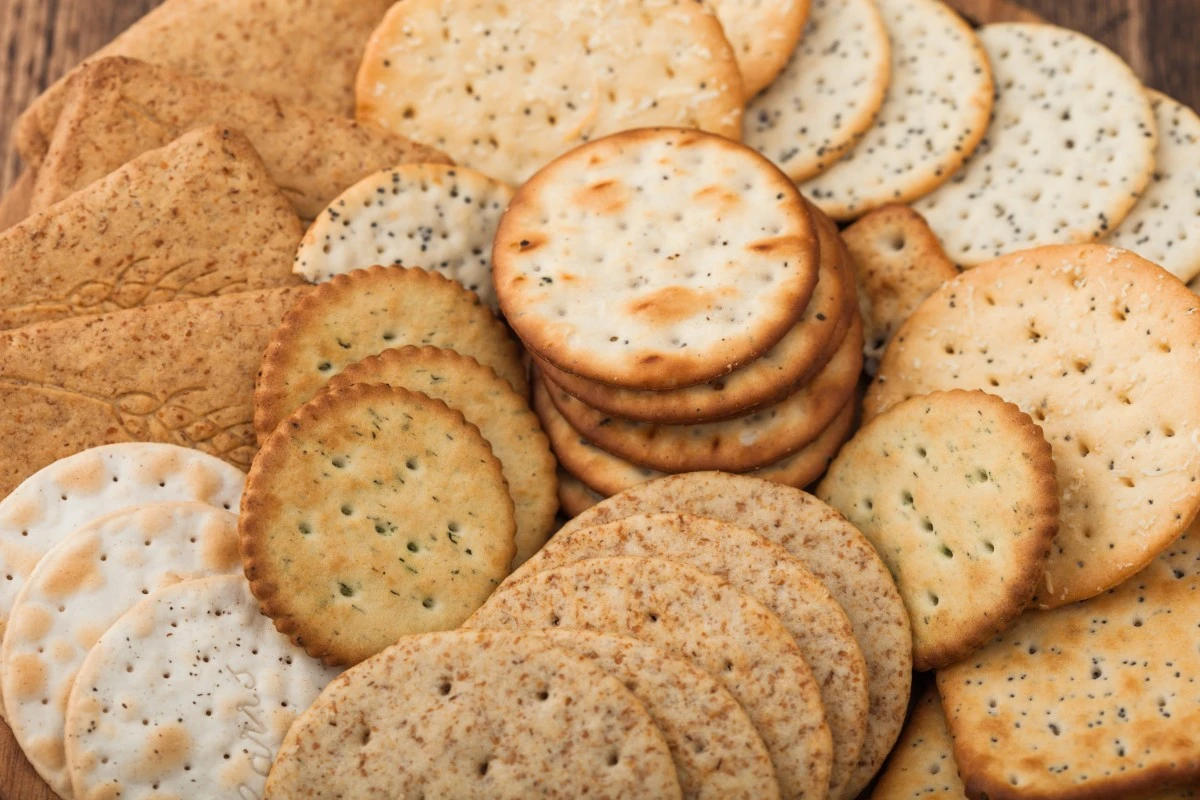 Tate & Lyle aimed to enhance cracker durability without losing the crisp, light mouthfeel that appeals to consumers.
Why more crunch doesn’t mean better
Cueva highlights how although the study was focused on North America, it gives Tate & Lyle a useful snapshot of consumer preferences and reflects patterns observed across several other snacking studies in recent years.
“We also recognize that texture preferences can vary between markets, influenced by local tastes, products and eating habits. We’re now exploring how best to build on these findings and translate the insights for other regions, including Europe and Asia,” she tells us.
The study found that the crackers consumers liked most were not necessarily those with the strongest crunch. Instead, preference was driven by a combination of crispness, easy breakdown in the mouth, and a lighter eating experience, with excessive hardness, density, and grittiness negatively affecting appeal.
It also highlighted a distinction between crispness and crunch — while crispier crackers were perceived as lighter and more easily dissolved, crunchier varieties were more closely associated with firmness and hardness.
“One of the biggest challenges when adding protein or fiber to crackers is maintaining the structure and texture consumers expect. To achieve nutritional targets, formulators often need to replace some of the wheat flour in a traditional recipe. This can affect the gluten network, which plays an important role in giving dough the elasticity and extensibility it needs during processing,” Cueva says.
“Changing that balance can make the dough harder to work with and affect the texture of the finished cracker.”
“Certain fibers can also introduce unwanted changes to texture, so understanding how different ingredients interact is critical. It’s not simply about how much protein or fiber you add, but which ingredients you choose and how they behave within the formulation.”
The eating occasion also plays a role, Cueva adds.
“We found that cracker size was an important factor in how consumers chose to enjoy them, while the intended use can influence the texture needed. A cracker designed to carry a dip or topping, for example, needs enough structural strength to hold together without becoming too hard to bite into.”
“Ultimately, it’s about understanding the eating experience consumers want and finding the right balance of texture attributes to deliver it.”
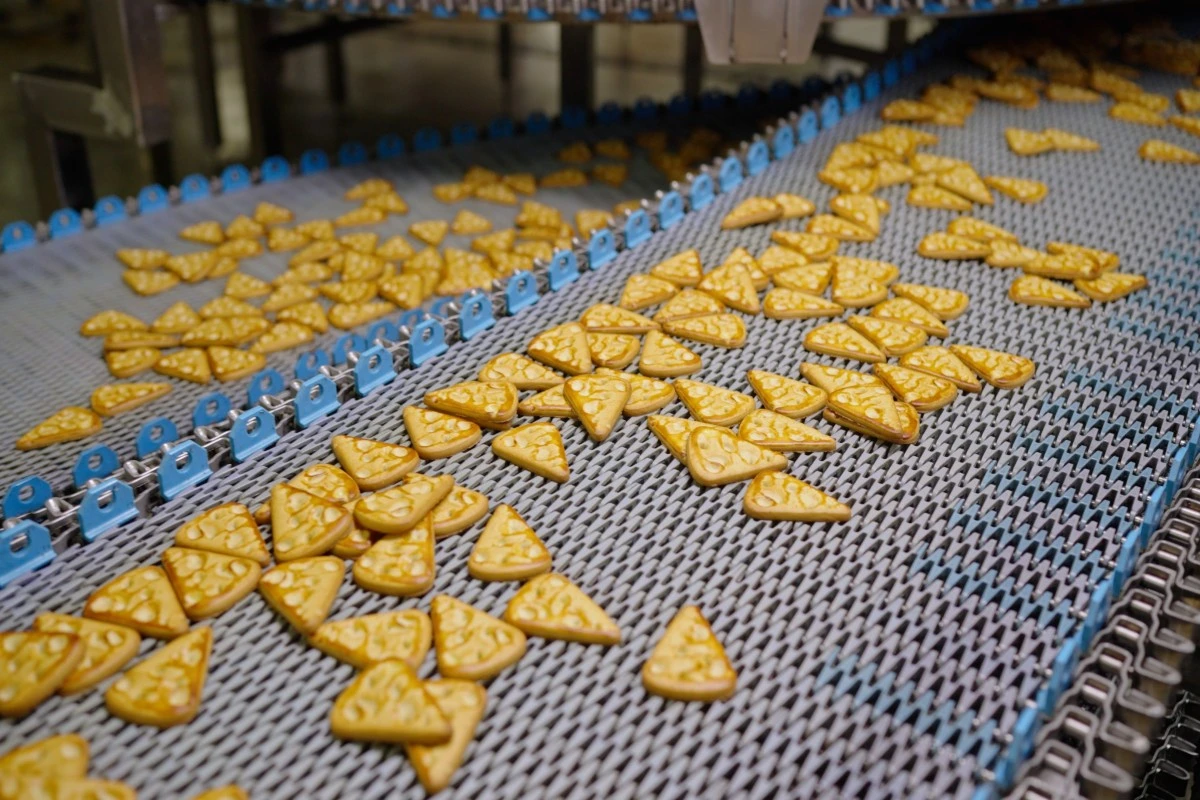 Tate & Lyle sees scope for greater innovation, driven by Gen Z and other younger consumers seeking novel textures and products with added nutritional value.
The next frontier in snack texture
Cueva cites film-forming starches, such as X-Pand’r, which can help compensate for some of the structural functionality lost when wheat flour is replaced. Similarly, certain fibers, including polydextrose, can have less impact on texture than other fiber sources.
“The key is finding the right combination of ingredients to deliver the nutritional benefits consumers are looking for, without compromising the crispness, crunch, and overall eating experience they enjoy.”
Tate & Lyle believes there is an opportunity to be more adventurous as younger consumers, particularly Gen Z, are showing interest in new textures and products that offer additional nutritional benefits.
“That creates opportunities to explore different sensory experiences, rather than always trying to recreate a traditional cracker,” Cueva says.
“And these principles extend well beyond crackers. Categories such as crisps, extruded snacks and pretzels can all benefit from a better understanding of how consumers experience texture.”
“That’s the thinking behind Tate & Lyle Sensation solutions toolkit, starting with the eating experience people want, then using consumer insights and ingredient science to help formulators deliver it,” she concludes.