

High protein, plant hybrids & gut health: Inside dairy’s innovation push

Key takeaways
- Ingredient suppliers tackle the sensory challenges of high-protein dairy formulations through stabilization systems and functional fibers.
- Hybrid dairy-plant products gain traction as consumers embrace protein diversity, with pea and soy proteins enabling partial dairy replacement without compromising texture.
- Postbiotics emerge as key functional ingredients for dairy applications due to their stability through heat processing and pasteurization.

Dairy ingredient suppliers are deploying new technologies to meet converging consumer demands, from stabilization systems that alter the mouthfeel of high-protein formulations to postbiotics engineered to survive pasteurization. Hybrid dairy-plant products are gaining commercial traction, with blended formulations and pea protein-fortified yogurt concepts rapidly moving from R&D into market-ready applications.
The innovation push comes as protein demand continues to boom — nearly 60% of global consumers are actively pursuing protein for overall health, with 48% preferring milk as their source, according to Innova Market Insights. The market researcher has crowned “Powerhouse Protein” its number one food and beverage trend for 2026, with gut health at second place.
Food Ingredients First speaks with Valio, Hydrosol, Cargill, and ADM to explore how the industry is navigating the protein-gut health-clean label trilemma.

The high-protein formulation challenge
Formulating dairy products with elevated protein levels presents significant sensory hurdles. Textures can become gritty, and off-flavors can develop — all of which can undermine consumer acceptance.
“Expectations are rising for high protein products that are effective, enjoyable, and easy to include in everyday routines,” says Emmi Martikainen, head of product development, powders, and baby foods at Valio. “Formulating high protein dairy can be challenging, especially when it comes to texture and flavor.”
Valio has developed what it calls a comprehensive high-protein application portfolio spanning drinks, puddings, ice cream, and ready-to-mix powders. The company’s Fast Track solution enables dairies to launch lactose-free milk with 44% more protein than standard milk, according to Martikainen. She points to the company’s high-protein powder range as offering “excellent mouthfeel and a clean milky flavor.”
Hydrosol has taken a similar approach, focusing on stabilization systems that compensate for the structural contributions typically provided by sugar and fat. “With our stabilizing and texturing systems, we compensate for the missing sugar by specifically combining different individual components,” says Dr. Dorotea Pein, director of technology and innovation at Hydrosol.
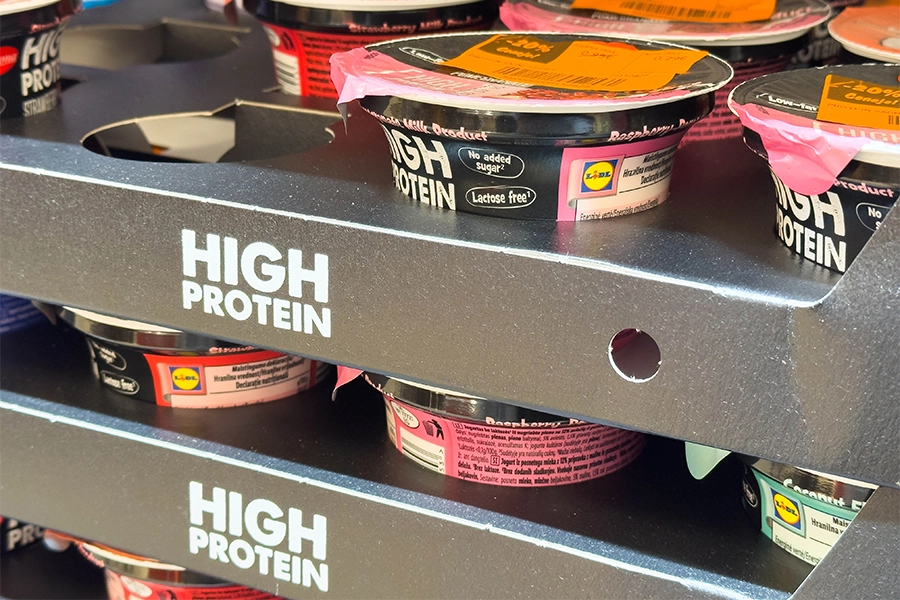 Dairy innovation is accelerating as high-protein, plant-based hybrids, and gut health solutions converge.“Hydrocolloids and starch primarily provide stability, body, and a pleasant texture, while special plant fibers improve the mouthfeel.”
The company has developed protein-rich concepts, including a pudding with 10% protein and just 1% fat, free from added sugar and enriched with calcium, vitamin D3, and vitamin K2. Pein notes that fiber inclusion can serve a dual purpose: beyond texture improvement, it can enable products to carry a high-fiber claim on pack.
Hybrid opportunities with plant proteins
The boundary between dairy and plant-based alternatives continues to blur. Innova’s fifth trend for 2026, “Authentic Plant-based,” reflects a shift in consumer perception — 40% of global consumers now cite “natural or minimally processed” as a key consideration when selecting protein sources, according to the market researcher.
ADM sees a significant opportunity in blended formulations. “Market growth of dairy and plant-based alternatives is being driven by consumers no longer taking an ‘all or nothing’ approach when it comes to protein consumption,” explains Bastian Hörmann, global marketing director for sweet goods, dairy, and specialized nutrition at ADM.
The company’s research indicates that 66% of global consumers want to increase their protein intake, and a majority of plant-forward consumers believe it is healthier to source protein from various origins.
ADM’s portfolio includes soy, pea, and wheat proteins designed to work alongside traditional dairy ingredients like whey isolates and milk concentrates. Hörmann highlights soy as “the number one plant protein used for new alternative product launches globally” and notes that the company’s ProFam soy protein isolates offer “superb solubility and neutral taste,” positioning them as strong alternatives to whey in active nutrition applications.
Cargill has pursued hybrid innovation through its Puris and RadiPure pea proteins. “Our pea proteins stand out for their mild flavor and binding properties,” says Corinna Faustmann, dairy and dairy alternatives R&D category director at Cargill. “These ingredients allow formulators to partially replace dairy protein without necessarily compromising creaminess or creating a sandy mouthfeel.” Suppliers are enabling protein diversity with dairy-plant hybrids and heat-stable postbiotics that protect taste and texture.
The company has developed Greek-style yogurt alternative concepts demonstrating how pea protein can support “source of protein” claims while achieving the thick, spoonable texture associated with traditional dairy. Faustmann adds that Cargill’s work extends beyond proteins: the company has profiled cocoa powders to find optimal matches for various plant-based milks, including an oat drink concept that scored highest in overall liking among 70% of consumers tested.
Hydrosol, working with sister company Planteneers, has developed a 50/50 hybrid solution. “Our goal is to use our systems to bridge the gap between traditional dairy products and plant-based concepts,” says Pein. “Manufacturers can thus reduce the milk content in their products without compromising sensory quality.”
Gut health takes center stage
Beyond protein, digestive wellness has emerged as a primary innovation driver. Innova’s second trend for 2026, “Gut Health Hub,” reflects consumer understanding of the gut as a gateway to holistic wellness — 59% of global consumers believe gut health is important for the entire body, according to the company’s research.
ADM has invested heavily in its biotics portfolio. Hörmann highlights the company’s Bifidobacterium longum CECT7347 probiotic and postbiotic, which may support digestive health and reduce bloating, as well as BPL1 for metabolic health applications.
Crucially, ADM leverages postbiotic versions of these strains for dairy innovation. “Postbiotics do not contain live microorganisms, which means they can withstand tough manufacturing conditions like high heat or pasteurization commonly associated with dairy and alternative plant-based dairy formulations,” he says.
The company’s spore-forming probiotic DE111 offers similar processing advantages. Hörmann notes that a “groundbreaking study” demonstrates the strain can survive stomach transit and germinate in the small intestine.
Cargill has introduced its Epicor postbiotic, produced through proprietary fermentation of Saccharomyces cerevisiae, into dairy applications. Faustmann describes the ingredient as pH and heat-stable, with high water solubility exceeding 75%. The company has showcased it in a plant-powered protein shot concept that combines the postbiotic with pea protein, soluble fiber, and cocoa powder for a 30% sugar reduction.
Valio’s approach centers on lactose-free formulations through its Eila portfolio. “With Valio’s long-standing role as a pioneer in lactose-free innovation, we believe digestive comfort should never be a barrier to better nutrition,” says Martikainen.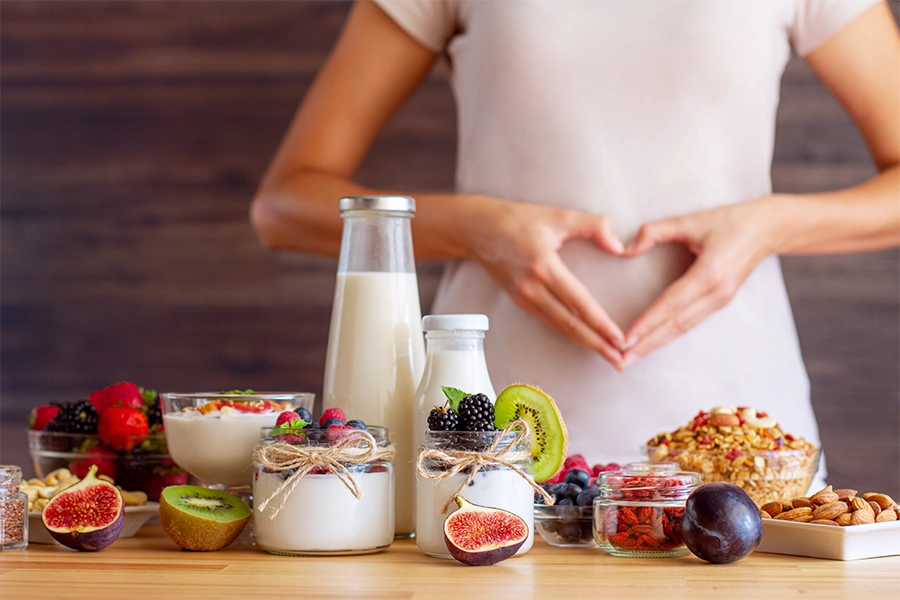 Rising protein demand and the gut health focus are reshaping dairy R&D through hybrids, functional fibers, and biotics.
Clean label without compromise
Consumer demand for simplified ingredient lists shows no signs of slowing, pushing suppliers to develop functional solutions that can be declared in familiar terms.
Cargill has expanded its clean label toolkit with WavePure seaweed powder, produced via minimal processing that retains natural seaweed components. “It provides a great body and mouthfeel, while helping to maintain stability, and is odorless with a neutral taste — all with a consumer-friendly label,” says Faustmann. The company also offers SimPure functional native starches and uniPectine pectin for dairy applications.
ADM pairs its plant-based ingredients with TasteSpark flavor modulation solutions to address sensory challenges. “Our TasteSpark Mouthfeel restores richness and creaminess in alternative dairy applications, and our TasteSpark Masking assists with sensory consistency by neutralizing any potential off-notes,” says Hörmann. He notes these solutions can be labeled as “Natural Flavor” in many markets.
Looking ahead
Life-stage nutrition represents a growing opportunity in the dairy space. Valio has developed its Eila Nutri F+ specialty powder for older adults, combining high protein with vitamins, minerals, and phospholipids for muscle and cognitive support.
The company also sees potential in supporting consumers using GLP-1 medications with high-protein, low-sugar formulations designed to aid satiety and blood sugar stability.
Cost pressures remain front of mind for manufacturers. Cargill’s new UniPectine LMCPlus pectins offer improved gel strength performance, enabling lower dosage rates and potential cost savings of up to 30% versus LMA pectins, according to Faustmann.
Sustainability commitments are also shaping R&D priorities. Valio has pledged to achieve carbon-neutral milk by 2035, covering on-farm emissions, production, and logistics. “Sustainability in dairy requires a systems-level approach,” says Martikainen. “This means looking at the entire value chain, from the farm to the finished product.”



Upcoming webinars

2027 Food Safety Risks for Quality & Compliance Leaders
FoodChain ID

Formulating for function: Developing benefit-led beverages with natural colours, botanicals, and flavours
Givaudan Sense Colour
Let's reveal the grain potential: Innovate
Meurens Natural