


Ingredion sells Rafhan Maize majority stake as Tate & Lyle deal progresses


Key takeaways
- Ingredion sells a 51% interest in Pakistan-based Rafhan Maize for around US$165 million, while retaining an approximate 20% ownership interest.
- The sale supports Ingredion’s strategy to reduce earnings volatility and shift capital toward higher-growth specialty ingredients platforms.
- The move comes alongside Ingredion’s proposed Tate & Lyle takeover, underscoring a broader focus on specialty ingredients, innovation, and global consolidation.
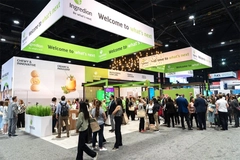
Ingredion has sold a 51% interest in Rafhan Maize, a Pakistan-based manufacturer of food and industrial ingredients. The move marks another step in Ingredion’s portfolio reshaping strategy, while the company separately pursues its proposed acquisition of Tate & Lyle.
The US-headquartered ingredient solutions supplier sold the majority stake in Rafhan Maize to a group of affiliated purchasers led by Nishat Hotels and Properties Ltd. The transaction generated approximately US$165 million for Ingredion, which will retain an approximate 20% ownership interest in the business.
Ingredion’s Pakistan business delivered unaudited net sales of approximately US$250 million in full-year 2025.

Ingredion sharpens specialty ingredients focus
The sale was first announced in September 2025 and comes as Ingredion continues to shift capital toward higher-growth ingredient platforms. Chairman, president, and CEO Jim Zallie says the transaction supports the company’s portfolio transformation by reducing earnings volatility and freeing investment dollars for businesses with stronger growth potential.
“Retaining a relationship as a minority stakeholder in a strong, well-positioned business also provides continuity of access to Middle East and South Asia markets, which we see as long-term platforms for growth,” Zallie says.
For B2B customers and suppliers, the move signals a more focused Ingredion strategy: reduce exposure to regional and potentially more volatile earnings streams while maintaining commercial links in strategic growth markets. The minority stake also allows Ingredion to preserve a route into Middle East and South Asia demand without carrying full operational control of the Pakistani business.
The divestment lands against the backdrop of Ingredion’s proposed takeover of Tate & Lyle, one of the most significant consolidation moves in the global food ingredients sector this year. In June, Tate & Lyle’s board unanimously backed Ingredion’s £2.7 billion (US$3.6 billion) cash offer, which implies an enterprise value of approximately £3.7 billion (US$4.9 billion).
If completed, the Tate & Lyle deal would create a global specialty ingredients group with estimated combined revenue of around US$9.9 billion and adjusted EBITDA of US$1.8 billion. Completion is targeted for the second half of 2027, subject to shareholder, court, and antitrust approvals.
Tate & Lyle acquisition signals wider food ingredients consolidation
The proposed combination is designed to strengthen Ingredion’s position across texture, sugar reduction, mouthfeel, sweetening, and fortification. These are capabilities increasingly sought by F&B manufacturers reformulating products for health, affordability, indulgence, and label-friendly positioning.
Tate & Lyle has itself been reshaped in recent years, including through its 2024 acquisition of CP Kelco, which expanded its capabilities in pectin and specialty gums.
Seen together, the Rafhan Maize sale and Tate & Lyle takeover plan point to a strategic rebalancing at Ingredion. Rather than expanding simply by geography or commodity-linked scale, the company is concentrating on higher-value specialty ingredients, innovation capabilities, and customer-facing formulation support.
At the same time, the retained Rafhan Maize stake suggests Ingredion is not exiting South Asia entirely, but repositioning its exposure through a capital-light structure.


Upcoming webinars
Oat-Standing Ingredients - Showcasing Irish Grain Through Innovation
Tirlán Ingredients

2027 Food Safety Risks for Quality & Compliance Leaders
FoodChain ID
Formulating for function: Developing benefit-led beverages with natural colours, botanicals, and flavours
Givaudan Sense Colour