

Djazagro 2026: What’s driving innovation in North Africa’s F&B industry?

Key takeaways
- North Africa’s F&B market is evolving with a focus on healthier and affordable products, driving innovations in sugar reduction and functional beverages.
- Döhler, IFF, Ingredion, and Lallemand showcased solutions tailored to local demands, including reduced-sugar beverages and fermented dairy, at Djazagro 2026 this week.
- The region faces challenges like food security, affordability pressures, and logistical issues, driving the need for local adaptation.

North Africa’s F&B industry is undergoing a significant transformation, driven by rising consumer demand for affordable products that blend taste with a healthier, more natural profile. This shift is propelling innovation in sugar reduction, natural colors and flavors, shelf life extension, and local adaptation.
As Djazagro 2026, the region’s leading agri-food trade show, comes to a close today in Algiers, Algeria (Apr 12–15), Food Ingredients First looks back at the event’s highlights with experts from Döhler, IFF, Ingredion, and Lallemand.
These companies and others presented innovations spanning ready food concepts, functional beverages, and fermented dairy cultures on the show floor, aiming to address the North African market’s unique challenges.
Factors like limited water availability directly affect crop yields in North Africa, while food security remains fragile due to climate pressures and logistical and market challenges.

North African F&B demands
At Djazagro 2026, Döhler showcased solutions to help North African manufacturers launch cleaner, lower-sugar functional juices more quickly and “without major process or cost changes,” says Janeske Oosthuizen, head of Market Segment MEA at the company.
“Our customers in North Africa are under pressure to offer healthier drinks without compromising on taste or affordability. We support them with end-to-end solutions — from the first idea through to industrial production — so they can quickly launch products that are lighter, more natural and functionally enriched.”
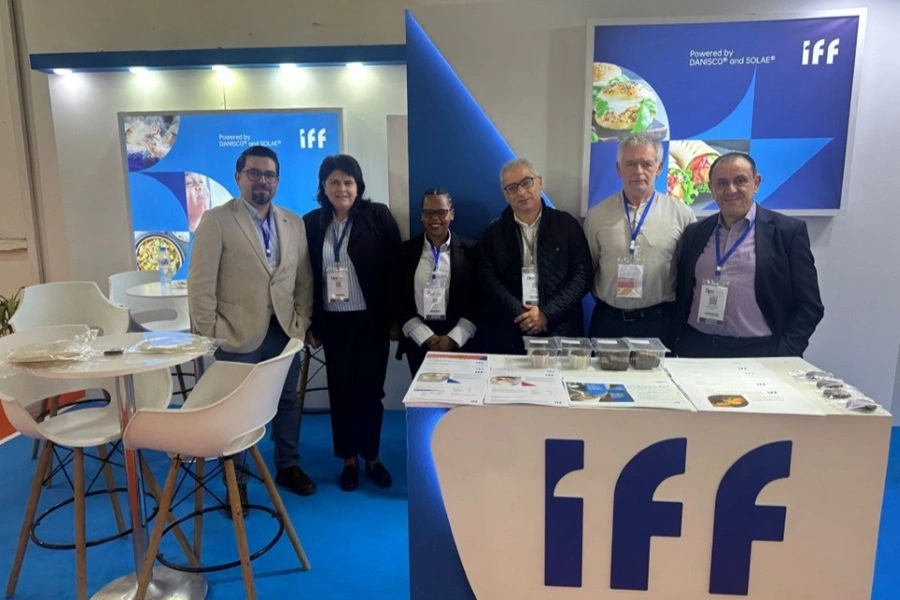 IFF showcased solutions for consistent texture and taste in North Africa’s popular categories like sauces, dairy, and flatbread.Quentin Labbe, manager for sales T&HS North & West Africa at Ingredion, says brands in North Africa are responding to sustained affordability pressure, continued expectations for taste and texture, and growing interest in sugar reduction and reduced cocoa and eggs across bakery, dairy, sauces, and beverage products.
“These dynamics are shaping demand for reformulation approaches that are practical, cost-effective, and reliable, guiding Ingredion’s focus on application-led, locally relevant solutions at Djazagro.”
For IFF, the focus is on application-ready food concepts that meet “local production realities” and consumers’ wellness demands in the region.
“Core categories, such as bread, dairy, beverages, and prepared foods, remain essential, but consumers are increasingly attentive to product consistency, mouthfeel, and overall eating experience,” says Michelle Sinechal, regional marketing director for EMEA at IFF Food Ingredients.
She also observes a growing awareness of protein content and reduced sugar or salt, but cautions that these improvements “should not come at the expense of taste or affordability.”
Fermented dairy concepts
Meanwhile, Lallemand — which brought its dairy cultures and bioprotective solutions to Djazagro 2026 — targets the region’s fermented dairy market. Juliette Gay, operational marketing manager, underscores that demand for such products in North Africa is driven by “increasing expectations for food safety, extended shelf life, and natural, clean label solutions, especially for fresh and fermented dairy products.”
The company showcased fresh dairy products and cheeses, including Camembert-type bloomy rind cheeses and Emmental-type cooked pressed cheeses, which Gay says are “adapted to North African processing conditions.”
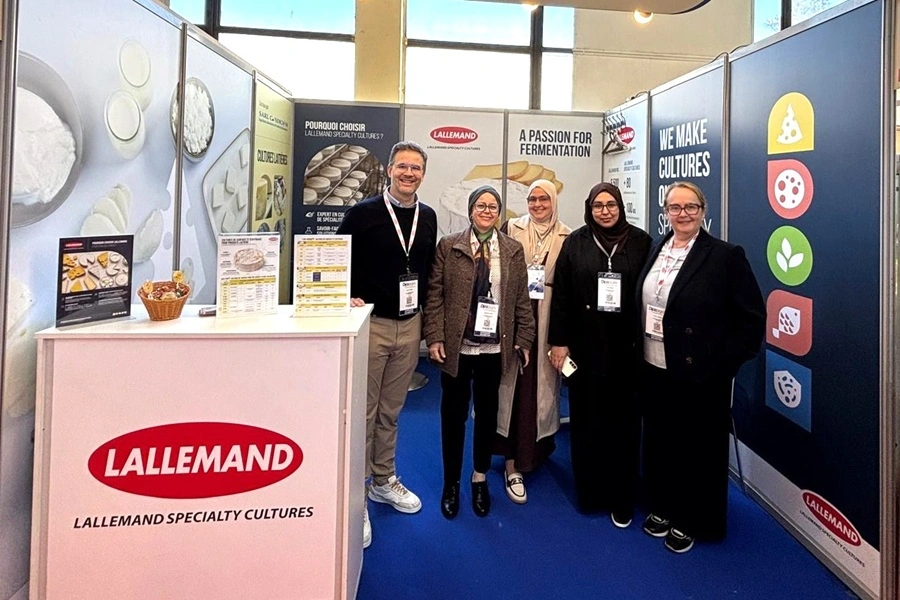 Lallemand presented dairy cultures and bioprotective solutions for enhancing food safety, shelf life, and clean labels in North Africa’s dairy sector.“Lallemand’s bioprotective cultures help dairy producers secure fresh and ripened cheeses, control undesirable microorganisms, and extend shelf life, while maintaining product typicity and sensory quality.”
Lallemand works closely with its local partner Condichim to adapt its fermentation and bioprotection solutions to regional processing conditions and consumer preferences.
Functional beverage innovation
Döhler highlighted sugar-reduced drinks, immunity-focused beverages, and functional dairy solutions, adapted to North African preferences, at Djazagro 2026.
“North Africa’s demand for functional beverages is being driven by a mix of rising health awareness, urban busy lifestyles, price sensitivity, and stronger interest in products that do more than hydrate,” says Oosthuizen.
“Hot climate conditions in parts of North Africa also strengthen demand for hydration and electrolyte-style products, especially where outdoor lifestyles are common.”
While younger, urban consumers remain important for convenient, on-the-go formats, she flags that price sensitivity remains high — meaning “brands need to balance premium health positioning with accessible price points and strong value cues.”
Sugar reduction trends
Döhler and Ingredion emphasized complete sweetness systems to reduce sugar while maintaining taste and texture in beverages.
“We design complete sweetness systems — combining natural sweeteners, fibers, and taste modulators — to rebuild taste, mouthfeel, and balance. This allows our customers to achieve 30–50% sugar reduction or ‘no added sugar’ claims, while keeping the preferred local flavor profiles,” explains Oosthuizen at Döhler.
Ingredion supports reformulation through a “solutions-led approach, combining ingredient expertise with KaTech’s food systems capabilities,” Labbe says.
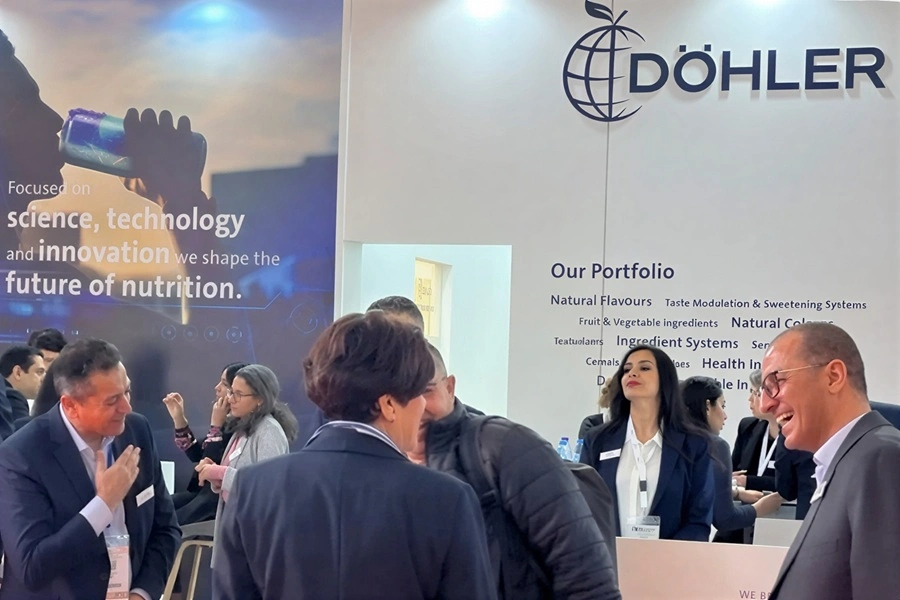 Döhler’s booth at Djazagro 2026 featured natural ingredient solutions for sugar reduction, functional beverages, and locally adapted food concepts.“By focusing on complete formulation systems rather than single ingredients, Ingredion helps brands maintain texture, mouthfeel, and stability when sugar, cocoa, or eggs are reduced, allowing them to improve nutritional profiles, while preserving the eating experience consumers expect.”
However, he flags that reducing these ingredients can introduce “sensory risks” if not carefully managed. “Ingredion helps address this through application-led expertise and proven systems, demonstrating tangible reformulation results at Djazagro that protect consumer acceptance.”
Controlling costs
Affordability is a key challenge in North Africa, with manufacturers working to balance costs with product quality.
“Affordability remains a central purchasing driver across North Africa, even as consumers increasingly expect better taste, improved texture, and higher perceived quality in everyday food products. Manufacturers are navigating raw material volatility, operational cost pressure, and reformulation challenges,” says Sinechal.
“We (IFF) emphasize practical formulation strategies that reduce development risk, shorten time to market, and help manufacturers remain competitive in highly price-sensitive categories.”
Döhler is using local application support in the MEA region to ensure its North African partners can launch reduced sugar and functional drinks “quickly, consistently and cost efficiently,” Oosthuizen tells us.
“Döhler focuses on cost-optimized concepts using efficient sweetening systems, concentrated compounds, and smart process design, to keep healthier, functional beverages affordable for consumers and commercially viable for producers in the North African market.”
Meanwhile, Ingredion’s texture and formulation solutions help brands optimize cost in use while maintaining stability, structure, and mouthfeel, “even as recipes are adjusted for sugar, cocoa, or egg reduction,” says Labbe.
Supporting local manufacturers
IFF showcased application-ready solutions for North African manufacturers, focusing on bakery, dairy, and flatbread categories.
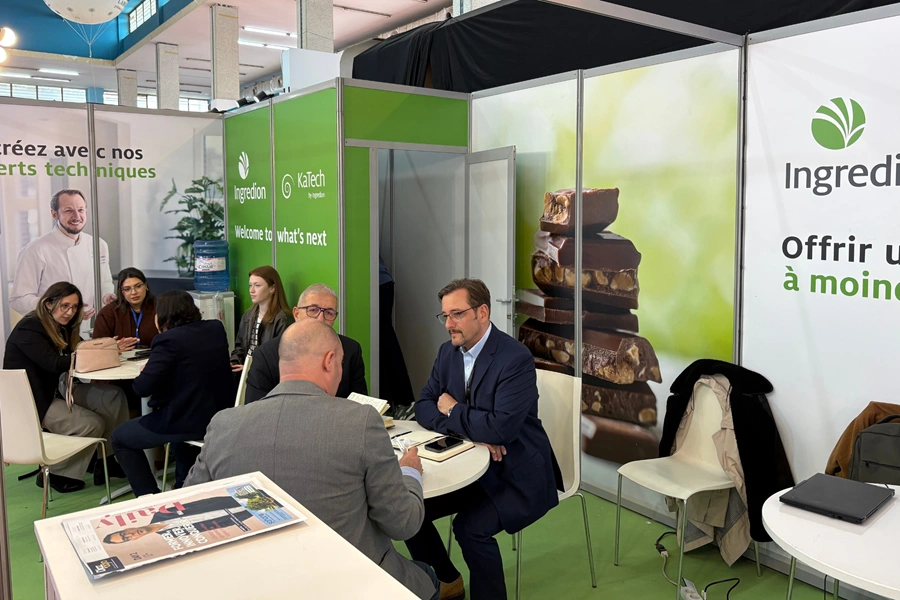 Ingredion highlighted its practical, cost-effective reformulation strategies to meet North Africa’s demand for healthier, affordable products.Key innovations on display at Djazagro 2026 included tomato ketchup and eco mayo concepts, which can help manufacturers achieve stable emulsions, consistent texture, and controlled sodium levels, while maintaining familiar taste profiles.
“These concepts are particularly relevant in North Africa, where sauces and condiments are high-volume categories and production stability and cost control are critical,” explains Sinechal at IFF Food Ingredients.
“Tortilla and flatbread concepts, supporting the fast-growing flatbread segment across EMEA, focus on process tolerance, freshness, and reliable dough performance, helping producers scale production while meeting local preferences for soft texture and consistent bake quality.”
The company also showcased carob-based sweet bakery concepts that demonstrate how ingredient solutions can support affordability, nutrition, and shelf life, while maintaining the sensory qualities expected in bakery products. “This is particularly important in Algeria, where bakery remains a central part of daily diets and price sensitivity is high,” says Sinechal.
North Africa’s functional and fermented future
Over the next 3–5 years, the functional beverage segment in North Africa is “likely to move toward clearer functional benefits, lower sugar and cleaner, more natural ingredient decks, with taste and affordability still deciding what scales,” Oosthuizen at Döhler notes.
“Expect more use of herbs, botanicals, and African superfoods, such as hibiscus, baobab, and moringa, alongside greater scrutiny of artificial sweeteners, colors, and preservatives.”
IFF’s Sinechal expects food innovation to shift toward a “pragmatic, step-by-step approach,” focused on improving staple products rather than reinventing them. “The priority will remain on affordable, well-performing foods that deliver better texture, stability, and nutrition, while meeting price expectations.”
For Gay at Lallemand, fermentation and microbial solutions will play a key role in food innovation by “supporting food safety and clean label strategies.” Beyond dairy, fermentation and bioprotective cultures will enable “more resilient, high-quality and locally adapted fermented foods.”
Meanwhile, Labbe at Ingredion expects a continued rise in demand for healthier, more affordable food and drink as consumers look for ways to “balance well-being with everyday budgets.” “We see ourselves as a long-term partner in shaping a more resilient and consumer-relevant food landscape across North Africa,” he says.