

Beer innovation trends: Kalsec reveals what’s driving consumer choices


Key takeaways
- Kalsec survey reveals that beer consumers are driving flavor-first innovation, with 86% viewing natural flavors positively.
- Citrus, tropical, and hoppy notes are shaping NPD across regions and generations, with citrus as the leading global flavor cue.
- Traditional brewing claims resonate most in Europe while sustainability reigns globally.
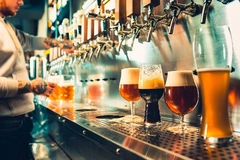
Consumer choices are propelling “flavor-first” beer innovation as demand for natural ingredients and a desire to understand hop varieties rise, a Kalsec report reveals. While artificial flavors remain a turn-off for health-conscious consumers, 6,000 beer drinkers surveyed across 12 countries prefer hop extracts when manufacturers use them transparently.
The findings show that today’s consumers expect more than refreshment from beer — they demand transparency, flavor, and value, with participants in Europe and Asia-Pacific placing greater weight on “traditional brewing claims.”
Nearly 86% of global consumers say they view natural flavors positively in beer — a signal that transparent brewing is becoming an “expectation,” not an exception, states the report. Two out of three shoppers say they are also very likely to pay attention to the use and callout of natural flavors on beer labels.

For manufacturers, this means educating consumers about the processes used to formulate their favorite beverages and highlighting natural ingredients on the pack. Words like “natural” (in APAC), “traditional” (in Europe), and “sustainable” (globally) carry real weight across global markets.
“Today’s beer drinkers aren’t just looking for flavor, they’re looking for integrity in what they drink,” says Pattie Aron, global business unit director for Hops at Kalsec.
According to Innova Market Insights, highlighting locally sourced ingredients, such as regional hops or apples, can resonate with environmentally conscious consumers. Transparent messaging around sustainability initiatives can also strengthen brand loyalty, says the market researcher.
Citrus powers flavor strategy
Flavor remains at the top of consumers’ beer expectations. While traditional styles like pilsners and malty beers remain strong, the report highlights citrus, tropical, and hoppy notes as key drivers across regions and generations.
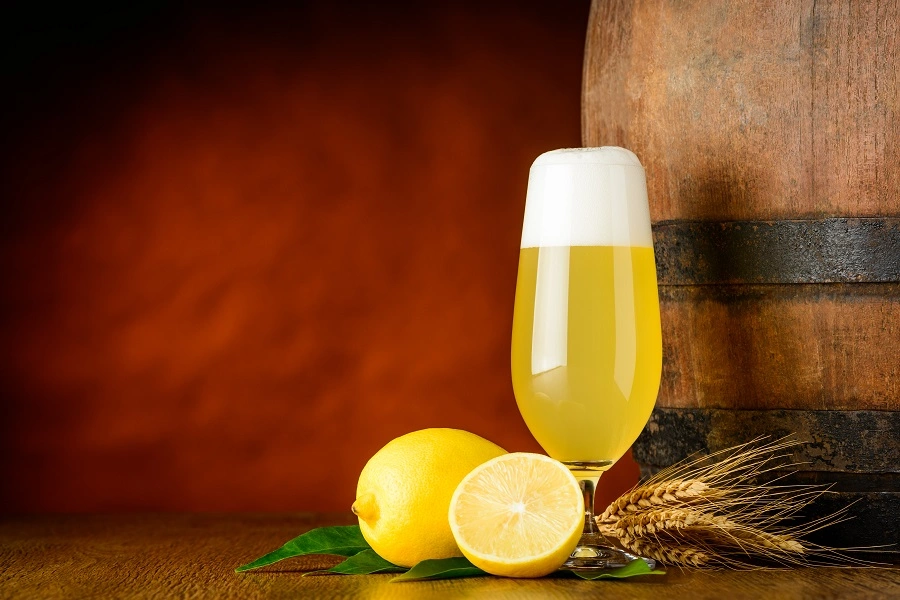 Brewers can leverage citrus notes in their products to meet modern consumer flavor expectations.Citrus is described in the report as the “reigning champ of flavor appeal across all markets” and a key driver steering beer style and innovation. Millennials, especially, seek “citrus-forward” beers that feel bright and can be enjoyed in social settings or over extended periods.
“Citrus is the new gateway. It’s where classic refreshment meets modern flavor expectation,” says Daniel King, associate scientist for Hops at Kalsec.
Innova’s flavor trend research shows that in Europe, consumers are leaning toward citrus flavors for refreshing revitalization. Vitality and energy are primary health goals for one in four consumers in the region.
Kalsec’s report recommends brewers to tailor flavor profiles regionally — sweeter for Asia-Pacific, more classic and crisp for Europe and North America. It also suggests developing “flavor-first” beers that bridge tradition and trend, such as citrus-kissed pilsners or tropical pale ales.
Hop extracts fuel innovation
The report pinpoints hop extracts and natural flavors emerging as essential tools in brewing innovation. Some 74.5% of participants say hop extracts positively impact beer taste, while 63.5% are more willing to purchase beer that declares hop extracts on-pack.
Meanwhile, consumers are interested in recognizing hop labels on hop waters and low alcohol blends. They want to identify the hop name on the label, such as Cascade, Lemondrop, Galaxy, similar to malt type or style.
“Hop water is evolving from novelty to necessity; it just has to deliver on flavor and ingredient integrity,” says Jake Kirkendall, Scientist II for Hops at Kalsec.
The report suggests that manufacturers leverage varietal hop products and oils to achieve “distinct sensory profiles without complexity in formulation” which enhance consumer appeal.
Meeting consumer expectations
Using hop extracts helps manufacturers align with consumer expectations around authenticity and sustainability, as these extracts can target flavors, reduce waste, and drive efficiencies, while maintaining (or enhancing) taste.
Kalsec suggests brewers can combine hop extracts with natural flavors to expand their sensory range and support clean labeling, and reinforce these choices on-pack and online since “transparency drives trial.”
 While Boomers and GenX prefer hoppy beers, Millennials seek out citrus-forward beers, and Gen Z leans toward tropical.“Brewers win when every ingredient tells a story, especially when that story starts with nature,” says Matt Jones, director of Hops Innovation at Kalsec.
Regional differences also matter when it comes to consumer beer expectations.
In Asia-Pacific, natural flavors are particularly valued. They bridge traditional quality standards and modern health expectations, the report states. Words like “crafted with select hops,” help elevate perception and justify higher price points.
The findings also highlight “brewed with traditional ingredients” as one of the most powerful claims manufacturers can make in Europe. “Vegan” or “no preservatives” claims provide credibility with traditional appeal.
Amid a focus on flavors and clean labels, scientists are also exploring advanced techniques to boost hop efficiency, as the crop — responsible for the bitterness, aroma, and taste of beer — faces the brunt of climate change.
Warnings of unfavorable weather conditions leading to a duller taste and aroma in beer, due to reduced hop quality, have prompted investment in creating sustainable aromas that mimic the “taste of hops” in non-alcoholic beer.




Upcoming webinars

Oat-Standing Ingredients - Showcasing Irish Grain Through Innovation
Tirlán Ingredients

2027 Food Safety Risks for Quality & Compliance Leaders
FoodChain ID

Formulating for function: Developing benefit-led beverages with natural colours, botanicals, and flavours
Givaudan Sense Colour