



Aleph Farms clears Singapore regulatory hurdle as cultivated beef nears commercial launch


Key takeaways
- Aleph Farms receives regulatory approval from the Singapore Food Agency to commercialize its cultivated Thin-Cut Steak.
- The approval strengthens Singapore’s position as a global hub for cultivated meat innovation and supports Aleph Farms’ expansion strategy across Asia Pacific.
- Commercial production is expected to begin in the first half of 2027, with the company initially launching its cultivated beef through selected restaurant partners.

Israeli cultivated meat company Aleph Farms has secured regulatory approval from the Singapore Food Agency (SFA). The approval marks another milestone in the commercialization of cultivated beef and reinforces Singapore’s position as a global leader in alternative protein regulation.
The approval, which greenlights the sale of Aleph Farms’ Thin-Cut Steak product, comes four years after the start-up’s initial application. It allows the company to introduce cultivated beef products into one of the world’s most progressive novel food markets, as it accelerates expansion across Asia Pacific.
Aleph Farms’ inaugural product, the Thin-Cut Steak, is a hybrid meat product created by combining non-genetically modified, non-immortalized cells from a premium Black Angus cow with a plant-based protein matrix composed of soy and wheat. The product will be marketed under the Aleph Cuts brand.
The latest regulatory clearance builds on Aleph Farms’ first-of-its-kind approval in Israel in 2024, when it became the first company globally to receive authorization to market cultivated beef.
Securing regulatory approval
Together, the two approvals position the start-up among a small group of cultivated meat companies to have successfully navigated regulatory pathways for commercial sales.
Aleph Farms expects its Singapore production line to be operational in the first half of 2027, launching with select restaurant partners.
Founded in 2017, Aleph Farms specializes in producing whole-cut cultivated beef using animal cells grown in controlled bioreactors.
Unlike many cultivated meat developers that initially focused on minced products, such as burgers or nuggets, the company has concentrated on recreating the complex structure of steak, combining muscle, fat, and connective tissue to replicate the texture and eating experience of conventional beef.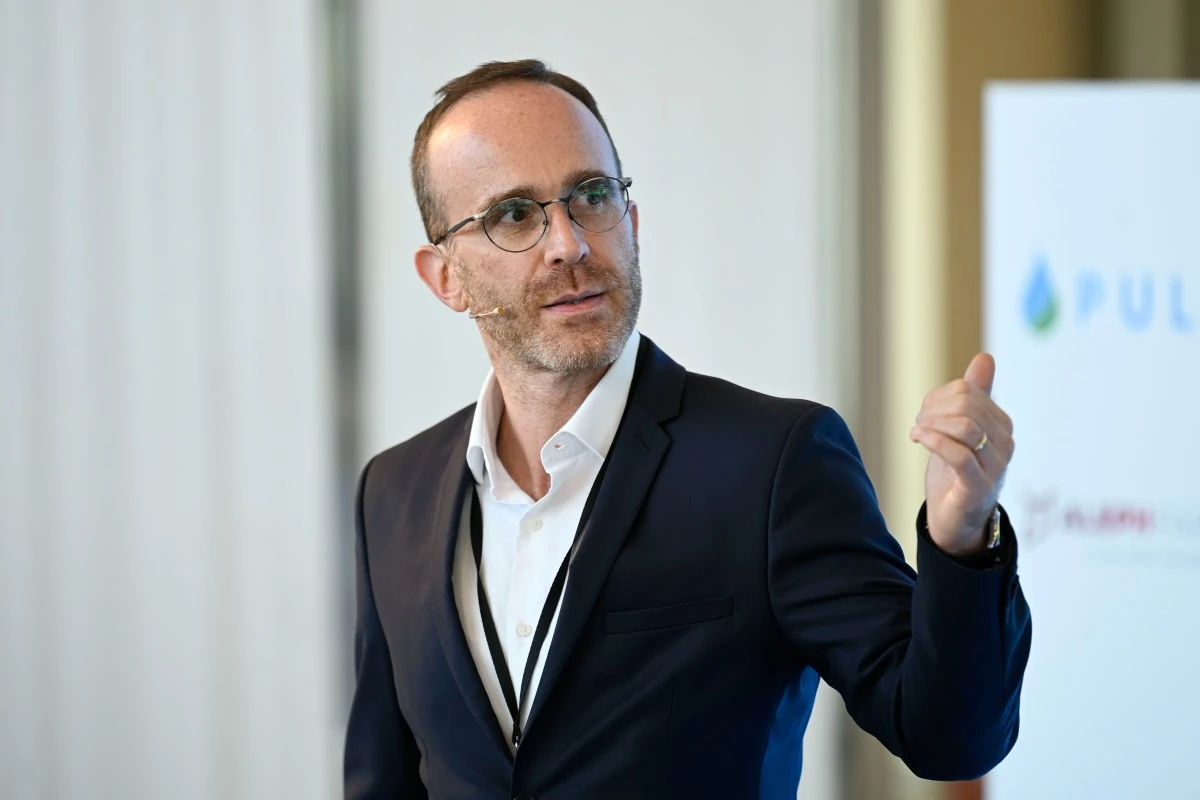 Didier Toubia, co-founder and CEO of Aleph Farms.
Singapore’s approval represents a strategic breakthrough beyond market access. The city-state has become the preferred launch market for many cultivated protein companies thanks to its science-based regulatory framework and strong government support for food innovation.
Aleph Farms has already established Singapore as its Asia Pacific hub and is working with local manufacturing partners to support regional production and future commercial scale-up. In early 2024, Aleph Farms joined forces with biotech firm BBGI and synbio researcher and manufacturer Fermbox Bio to open Thailand’s first plant for cultivated meat production.
Singapore at the heart of cell-based innovation
The move reflects Singapore’s broader ambition to strengthen domestic food resilience through advanced food technologies. With limited agricultural land and a target to produce 30% of its nutritional needs locally by 2030, the country has actively encouraged investment in cellular agriculture and precision fermentation.
For Aleph Farms, the approval provides a gateway into rapidly growing Asian markets, where demand for premium protein continues to increase. The company has also submitted regulatory applications in Thailand and Switzerland as it seeks to build an international commercial footprint.
Singapore became the first country to authorize the commercial sale of cultivated meat when it approved Eat Just’s Good Meat brand in 2020. Nearly four years later, it issued its second approval for Vow’s cultivated quail, which is now served in various dishes at restaurants across the country. The company has also received regulatory approval to use its cultured quail cells as a novel food ingredient in products to be marketed and sold in Australia and New Zealand.
In 2025, Singapore also permitted Friends & Family Pet Food Company to market cell-cultured Kampung bird treats for cats and dogs. More recently, Parima received regulatory clearance to commercialize its cultivated chicken and duck products within the past year.
Overcoming hurdles
Despite growing regulatory momentum, the cultivated meat sector continues to face significant commercial challenges. Companies remain focused on reducing production costs, scaling manufacturing capacity, and achieving price competitiveness with conventional meat.
Regulatory approvals are a critical step toward broader consumer acceptance. Each successful authorization helps establish regulatory precedents for future cultivated meat products while demonstrating that companies can satisfy stringent food safety requirements.
Although commercial volumes are expected to remain limited initially, Singapore’s approval strengthens Aleph Farms’ position as one of the leading companies in cultivated beef.
As more countries establish regulatory frameworks for cell-cultivated proteins, the company appears well placed to capitalize on growing interest in sustainable protein production and diversified food supply chains.
The latest approval also underscores Asia’s increasingly important role in the future of cultivated meat, with Singapore continuing to set the pace for regulatory innovation and commercial adoption of next-generation protein technologies.
Aleph Farms is also in active discussions with foodservice partners in Singapore.