

2nd Nature CEO: How AI is transforming sweetener innovation and discovery

Key takeaways
- AI is accelerating sweetener discovery by uncovering new compounds and reducing R&D timelines.
- 2nd Nature is using AI to identify new sweetening compounds beyond established platforms, such as stevia and monk fruit.
- Commercial success still depends on taste, validation, regulation, and scale.
 (All image credits: 2nd Nature).
Artificial intelligence is reshaping how the food and beverage industry approaches sweetener innovation, moving discovery away from years of trial-and-error screening and toward targeted identification of new functional compounds.
For decades, sweetener development relied heavily on a limited number of platforms, including sugar, synthetic sweeteners, stevia, and monk fruit. According to Effendi Leonard, CEO of AI-powered ingredient company 2nd Nature, AI is changing that landscape by allowing scientists to uncover molecules that conventional approaches overlooked.
“AI changes that math,” Leonard tells Food Ingredients First. “Systems that map the molecular composition of agricultural products are surfacing compounds that traditional screening missed, simply because no one looked in the right place.”
From trial and error to targeted discovery
Leonard says AI is compressing ingredient discovery timelines by combining molecular analysis, sensory prediction, and formulation insights earlier in the process.

“Historically, discovery, sensory prediction, and formulation optimization were sequential, siloed steps, each carrying a multi-year timeline,” he explains. “AI predicts taste, texture, stability, and functional performance at the same time a molecule is identified.”
That shift could significantly change the economics of developing new sweetening systems. Rather than discovering a compound and spending years determining whether it can perform in a finished product, companies can identify candidates with commercial potential earlier. Effendi Leonard, CEO of 2nd Nature, explains how AI is shaping sweetener discovery.
“Sensory prediction has historically been the hardest thing to shortcut, and it ultimately determines whether a discovery becomes a commercial ingredient rather than a data point,” Leonard says.
Beyond stevia and monk fruit
While stevia and monk fruit have become important tools for sugar reduction, Leonard notes that formulators continue to face challenges with existing high-intensity sweeteners, particularly aftertaste and sourcing limitations.
“Our discovery work identified sweet molecules in major crops that conventional screening approaches missed entirely,” he says. “These aren’t new formulations of familiar ingredients; they are compounds sitting in plain sight in agricultural processing streams.”
The company’s approach focuses on finding new sweetness sources from agricultural materials already moving through food production systems, rather than relying solely on established ingredient categories.
AI supports, but doesn’t replace, sensory science
Although AI can help predict sensory characteristics, such as sweetness intensity, onset, bitterness, and lingering notes, Leonard emphasizes that predictive models remain a starting point.
“Prediction gives you a strong hypothesis, not a finished answer,” he says. “A well-trained model provides a ranked, high-confidence shortlist of candidates worth pursuing.”
Those candidates still require validation through sensory panels and application testing. Leonard says AI’s role is to reduce the number of samples scientists need to evaluate manually, allowing teams to focus on the most promising compounds.
“AI doesn’t replace sensory science — it narrows what has to be tested by hand,” he says.
Designing sweeteners for specific applications
Another opportunity for AI is creating sweetening systems tailored to specific product categories. Leonard says sweetness behaves differently depending on whether it is used in beverages, dairy, bakery products, or plant-based formulations.
“Instead of discovering a sweetener and spending years finding out where it fits, companies can match candidate compounds to application requirements much earlier in development,” he says.
This could help formulators move away from trying to adapt one ingredient across multiple applications and instead develop solutions optimized for individual product matrices.
Focus on blends and practical sugar reduction
Leonard says 2nd Nature’s AI-discovered sweeteners are not intended to replace sugar in every application immediately. Instead, the company sees blending as the most practical near-term opportunity.
“Sugar does more in a formulation than provide sweetness — bulk, texture, browning, mouthfeel — and no single high-intensity ingredient replaces all of that on its own,” he explains.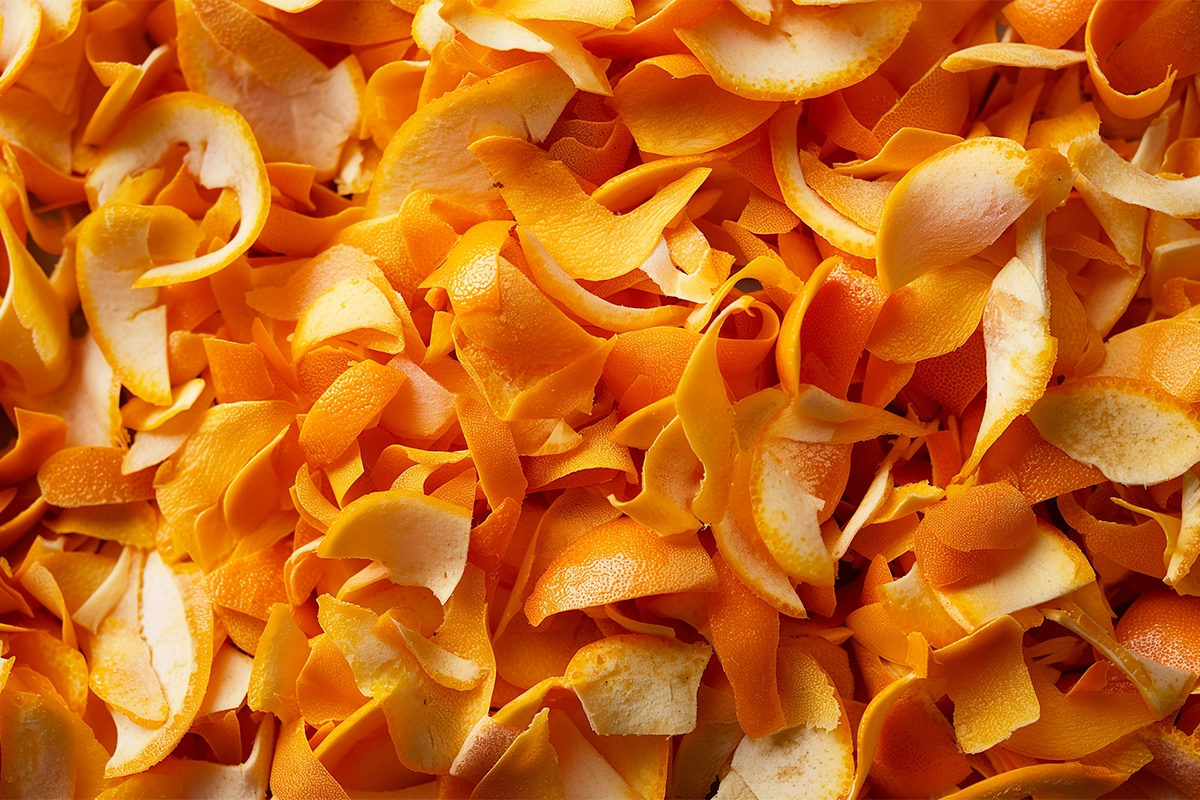 AI is accelerating the discovery of new sweetening compounds for sugar reduction.
The company is focusing on sweetening solutions that can work alongside sugar and other sweetening systems to enable reductions without compromising product performance.
“Blending is the practical, commercially sound starting point,” Leonard says.
2nd Nature’s first AI-discovered ingredients are moving into commercial sampling, with beverage and dairy applications emerging as areas of interest because of their sensitivity to aftertaste and sensory performance.
From discovery to commercialization
Leonard says every candidate moves through 2nd Nature’s “Discover, Develop, Deploy” process, which combines AI-enabled identification with food science validation and scalable production development.
“Nothing reaches a customer as a ‘discovery’ — it reaches them as a validated ingredient with a de-risked, scalable supply behind it,” he says.
The biggest challenges for AI-discovered sweeteners, he adds, are not necessarily discovery-related. Regulatory approval, manufacturing scale-up, and supply reliability remain critical steps before widespread adoption.
“Novel ingredients have to clear regulatory review regardless of how promising the discovery is, and that timeline doesn’t move faster because discovery did,” Leonard explains.
Ultimately, Leonard believes consumers will judge AI-discovered ingredients by the same criteria as any other food ingredient: taste, performance, and clean label appeal.
“Consumers care about taste and clean label credentials far more than the discovery method behind an ingredient,” he says.



Upcoming webinars

2027 Food Safety Risks for Quality & Compliance Leaders
FoodChain ID

Formulating for function: Developing benefit-led beverages with natural colours, botanicals, and flavours
Givaudan Sense Colour
Let's reveal the grain potential: Innovate
Meurens Natural