


SupplySide Global 2026: FrieslandCampina Ingredients discusses GLP-1s, hydration and “protein plus”

Key takeaways
- GLP-1 nutrition is pushing protein into smaller, nutrient-dense formats, including bites, bars, and concentrated shots.
- FrieslandCampina Ingredients is using whey and casein systems to deliver high protein while maintaining texture, softness, and drinkability.
- Protein innovation is expanding beyond GLP-1 users as consumers seek convenient formats supporting hydration, gut health, and healthy aging.
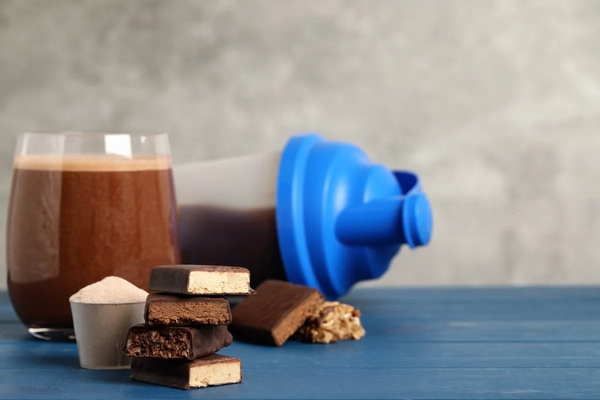
The rise of GLP-1 medication and growing demand for protein beyond sports nutrition are reshaping F&B innovation around portion size, nutrient density, and new beverage formats. At SupplySide Global 2026 in Las Vegas, US (Oct 28–30), FrieslandCampina Ingredients will spotlight concepts designed around changing protein consumption habits through two new innovation platforms.
One focuses on GLP-1 companion nutrition, delivering more protein in smaller portions, while the other targets protein hydration with convenient, refreshing beverage formats.
“Protein has moved well beyond the gym to become a fixture of everyday eating and drinking,” Penny Antonopoulos, marketing manager for Performance & Active Nutrition, North America at the company, tells Food Ingredients First ahead of the event.

“Consumers now look to it for far more than athletic performance, with interest now including satiety and weight maintenance to healthy aging and indulgence. With protein claims appearing on everything from coffee to yogurt, it’s becoming harder for brands to stand out on protein content alone”
In the US and Canada, 54% of consumers report actively incorporating more protein into their diets, according to Innova Market Insights research, leading to a steady stream of protein-forward launches targeting new formats and new occasions.
Smaller portions, higher protein
FrieslandCampina Ingredients’ GLP-1 companion nutrition platform builds on the company’s proprietary research with GLP-1 users in the US and UK.
 As protein becomes part of everyday nutrition, consumers are seeking lighter alternatives to thick, creamy shakes, says Penny Antonopoulos.“Appetite typically reduces on these receptor agonists, but the need for nutrition doesn’t, so every serving has to deliver more,” Antonopoulos notes.
At the trade show, the company will showcase concepts drawing on its whey and casein portfolio. The platform translates this “more nutrition per serving” approach into bites, bars, and concentrated drinks designed to deliver meaningful amounts of protein in compact formats.
The Protein NutriBites offer 15 g of protein and 8 g of fiber in three soft, portion-controlled pieces. They combine fermented whey protein with prebiotic galacto-oligosaccharides and Excellion Textpro to maintain softness throughout shelf life.
The Protein Harvest Soft Baked Grain Bar offers 14 g of protein and 3 g of fiber in a tender bar with a raspberry center. “It combines Excellion Calcium Caseinate, which is rich in essential amino acids, with Nutri Whey Isolate, which delivers a high concentration of high-quality whey protein with a clean taste,” Antonopoulos says.
She also cites FrieslandCampina Ingredients’ NutriSmooth Caramel Protein Shot as an example of high-protein drink formats. It offers 20 g of protein per 100 mL and features its microparticulated Nutri Whey ProHeat ingredient.
From shakes to clear protein
The company’s second platform responds to another shift in protein consumption: demand for lighter beverages that combine nutrition and hydration.
“Around 70% of consumers say they don’t feel properly hydrated, and one in three now link hydration directly to nutrition, which is creating demand for drinks that deliver more than refreshment,” Antonopoulos emphasizes.
For GLP-1 users, reduced appetite and nausea can make hydration and protein intake harder, she explains. A protein-rich drink can help address both needs in one serving.
As protein moves into everyday consumption occasions, brands are also exploring lighter alternatives to conventional milky shakes.
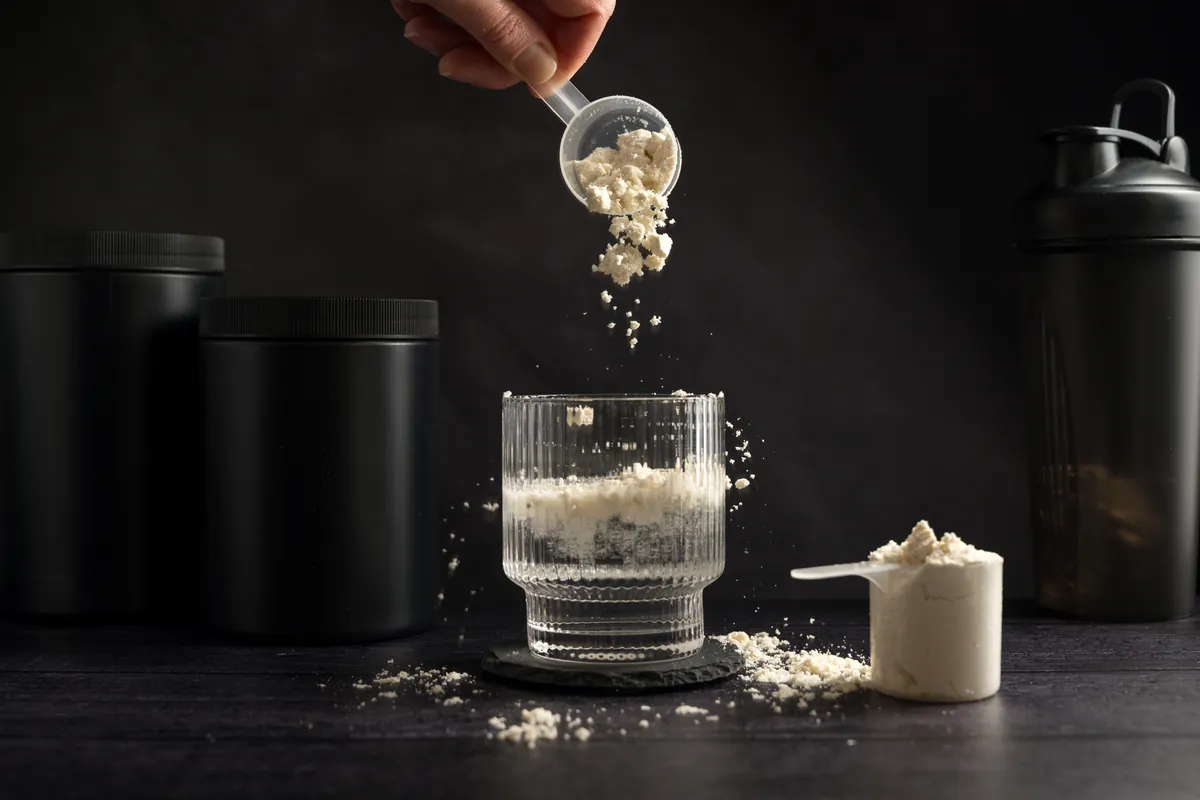 Heat treatment can cause whey proteins in clear protein beverages to denature, aggregate, or sediment.“Milky shakes were designed with the traditional protein consumer in mind — such as professional athletes and gym-goers. Now that protein is part of everyday nutrition, more consumers are looking for a protein hit at times when a thick, creamy drink doesn’t appeal – on the commute, as an afternoon pick-me-up or alongside lunch,” says Antonopoulos.
She points to FrieslandCampina Ingredients’ new Nutri Whey Isolate Clear PA, a pre-acidified whey protein isolate that allows brands to create lighter, more refreshing protein drinks.
“We’re showcasing it in a Coconut Hydration + Energy Protein Water, which combines coconut water with B vitamins and 30 g of whey protein, and in a Rocket Pop Clear Sparkling Protein Beverage, which delivers 20 g of protein and 4 g of fiber from Vivinal GOS prebiotics in a crystal-clear, carbonated drink.”
This shift toward liquid fortification is also reflected in Innova research, which finds that drinks are now the preferred route for protein and prebiotic intake in the US and Canadian markets.
Overcoming texture and viscosity challenges
Delivering higher protein levels in smaller or lighter formats, however, creates formulation challenges. As manufacturers push protein concentrations higher in bars, shots, and bites, chalkiness, bitterness, viscosity, and shelf life hardening can become more pronounced.
Antonopoulos highlights shots as an example, where high protein levels in a 100 mL beverage can increase viscosity, making it feel thick and heavy.
“Heat treatment can add another layer of complexity, as some whey proteins denature and aggregate during processing, which can cause gelation or sedimentation over shelf life,” she explains.
“Our Nutri Whey ProHeat, which we’ll be showcasing in our NutriSmooth Caramel Protein Shot, is a microparticulated whey protein that helps keep viscosity low and the drink stable through heat treatment.”
For manufacturers of bars and bites, FrieslandCampina Ingredients’ Excellion Textpro can help maintain a soft texture and reduce hardening in high-protein formats “for up to 12 months on the shelf.”
GLP-1 influence extends beyond users
Antonopoulos says the implications of GLP-1 use “extend well beyond current users.” The company’s research points to broader interest in portion control and nutrient-dense formats among former users seeking to maintain their results and consumers pursuing similar appetite control without medication.
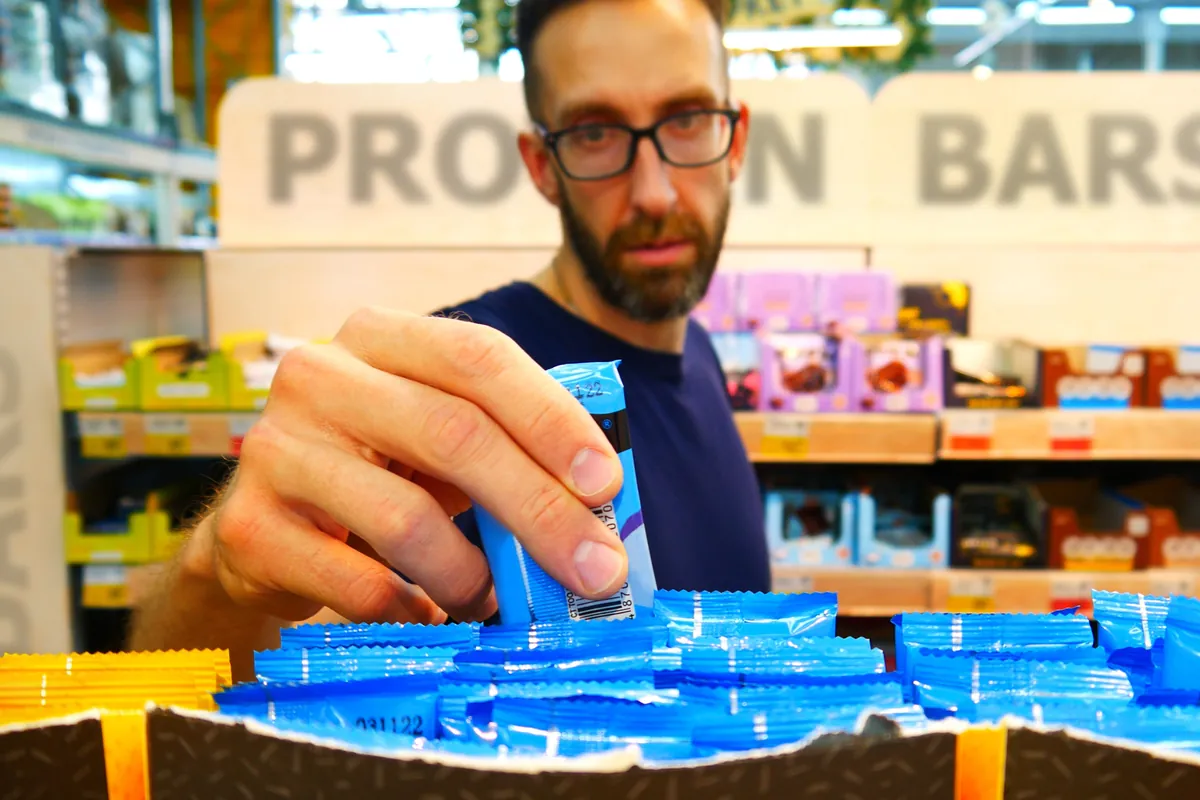 Protein bars are expanding beyond GLP-1 users to consumers seeking similar appetite-control benefits without medication.“For brands, the biggest change is in how products are designed. GLP-1 users — and their reduced appetites — have pushed the industry to make every serving count.”
The needs of former users are also emerging as a distinct innovation consideration. Food Ingredients First previously examined how brands can support consumers navigating renewed appetite and weight maintenance after treatment.
“For these consumers, a clearly nutritionally rich serving is important,” Antonopoulos says.
However, she argues that the same principle applies to a much wider audience, including a busy professional choosing a mid-afternoon snack or an older adult trying to maintain muscle while managing their weight.
“Our Protein NutriBites and NutriSmooth Caramel Protein Shot were developed around GLP-1 needs, but the same formats work for a far wider audience.”
Toward a “protein plus” future
Amid growing innovation in high-protein ingredients and brand positioning, the F&B industry is increasingly looking beyond protein content alone to differentiate new products.
Antonopoulos sees one of the biggest opportunities in “protein plus” — combining protein with additional functional benefits that respond to broader health priorities.
“With high-protein claims now widespread, protein content has become a baseline rather than a point of difference.”
Gut health is also emerging as a particularly relevant pairing.
“Half of Gen Z and Millennial consumers say they look for protein products that also support gut health, so combining protein and fiber is a particularly promising space across snacks, yogurts, and drinks,” adds Antonopoulos.
For formulators, the shift reflects a broader move toward multifunctional nutrition, where protein is increasingly expected to sit alongside benefits such as gut health, hydration, satiety, and healthy aging rather than act as a standalone proposition.