
Internationally-minded consumers and drought challenges
23 Oct 2019 | Ardo
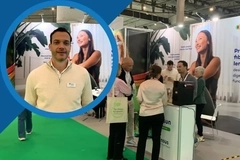
Ardo’s buzzing stand at Anuga 2019 showcased its various vegetable offerings, including new tricolore vegetable fries. Speaking to FoodIngredientsFirst, Heidi Goovaerts explained how the company was tapping into trends for mindfulness, healthy and adventurous eating and organic. However, sustainability is more important as ever as the third annual drought has led to some production challenges. Techniques such as irrigation and reusing water has helped to mitigate these effects.
This is Catherine Doyle at Aniga 2019 in Cologne, Germany, and I'm here with Heidi Govat from AO, where they are presenting, local offerings.
So first of all, I just wanted to talk to you about, what you have on show and what's sort of new and innovative.
This year, this year again we launched quite a few new products, taking into account different trends in the, in the, in the food world.
Trend is veggie snacking where we launch the triculary vegetable French fries, which are fries made of parsnip, carrots, and beetroot.
So they're very crispy, they're vegan, and a nice offer for children for all kinds of ceremonies and so on and so nice to have colorful vegetable snacking.
The second trend which we see in the market is organic, of course.
Organic is booming, and we do already have quite a few products which are organic, but we now we launch some extras to make to offer more change in your cuisine, in your kitchen.
And the first of it is the organic sweet potatoes.
Sweet potatoes is again a booming product, but now we can have it also in organic and organic.
Pepper strips, tricolo as , red, yellow, green.
So in order to offer you a nice Mediterranean organic kitchen.
And the third trend we were following is the mindfulness, for people loving to share food with healthy foods, healthy food giving them a nice taste as , a balanced taste, and our mindfulness goes to 3 vegetable mixes.
It consists of a minimum of 50% vegetables, and maximum 30% of carbs, and a unique flavor.
The first unique flavor is an Indian-based flavor with coconuts, and the mix is made out of lentils, vegetables, and chickpeas, so with a curry coconut sauce.
The second one is veggie mix Nordic style.
Nordic is Green, so it's a mix of green vegetables, dill sauce, which is very medic as , and the last one is a very authentic.
It's a paella made by our Spanish R&D team, a typical Valencian style paella without any proteins, just the vegetables and an authentic sauce added to it.
Interesting.
So do you think that with these international offerings that consume.
Are getting more adventurous in their tastes.
Definitely, because as you know, we're all traveling, we like to travel, so we take home lots of experiences which we like to take into our normal habit life.
So that's how we think that we can when offering these products to them, they can really find the taste they found in other countries.
It sounds like.
Theme as.
How do you think color helps people sort of interact with food?
Is that changing?
As you know, the eyes are the most important thing when eating food.
So the first impression you get when they offer you a plate is by your eyes, and the second one is the smell and the taste.
So colors play a very important role.
And then we put the two different types of vegetables that we have in our range, we can make very colorful mixes.
And then finally I just wanted to touch on sort of drought and how there have been lots of droughts in the last few years.
How are you at AO finding that and finding solutions?
Indeed it's true what you see.
It's now already the 3rd year in a row that we have confronted with drought, North Europe, South Europe.
We are we are finding solutions in a way to irri irrigation.
So the water we use in the factories to wash the vegetables or to blench the vegetables and so on, we recuperate and then we clean it through different systems and this water is then.
Kind of a station and when needed, the farmers can use it through pipelines under the ground and they can use it on their fields.
So it's an irrigation system that we set up together with the farmers by by reusing the water from the factories.
And do you see the consumer, prioritizing sustainability?
Is that changing as , or definitely, definitely, especially, , some clients of ours really are focusing on, on, on the sustainability, sustainability in economy-wise, but also sustainability in the factory.
So we're setting up several programs to, Help them and to get to the sustainable approach, programs that we set up like in the fields using less herbicides, pesticides, and so on in the factories, reusing water, reusing energy, and so on.
So different projects have been set up.
Great.
Thank you so much.