


Target ditches synthetic colors in cereal lineup amid clean label push

Key takeaways
- Target will stop selling cereals containing certified synthetic colors in stores and online starting in May.
- The cereal aisle will shift toward products without artificial dyes, reflecting growing consumer demand for healthier, clean label foods.
- The move aligns Target with broader industry and regulatory trends, with companies like Kraft Heinz and General Mills also phasing out synthetic food dyes.
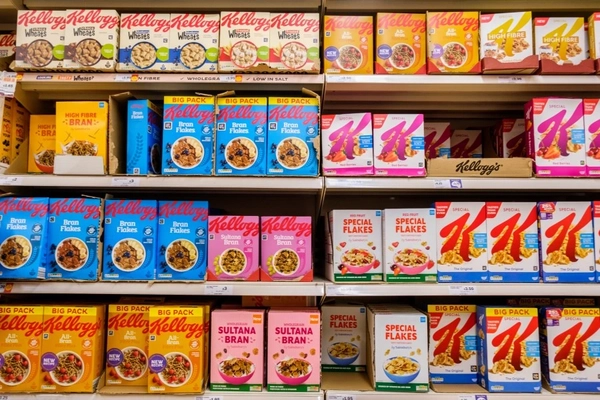
Target will become the latest US retailer to distance itself from artificial additives with plans to only stock cereals made without certified synthetic colors. From May, the discount department chain’s cereal aisles will stop stocking brands that include artificial colors and dyes, and they will not be sold online either.
Instead, the cereal aisle will feature a broader selection of cereals to meet different flavor preferences, dietary needs, and price points.
Target collaborated with national and private label brands to adjust product formulas, and the review of its cereal policy aligns with consumer health and wellness trends that show strong demand for better-for-you food, flags the company.
Curated better-for-you assortments
In 2019, Target initially set clean label standards with its “Good and Gather” private label brand, which offers over 2,500 products free from artificial flavors, synthetic colors, sweeteners, and high-fructose corn syrup.

This cereal review reflects Target’s response to customers who increasingly prefer products made without artificial ingredients.
It also reinforces Target’s image as a modern, health-conscious, trend-aware retailer, not just a discount store.
Cara Sylvester, executive vice president and chief merchandising officer at Target, says the move is part of the company’s growth strategy to offer healthy, high-quality F&B and demonstrate leadership in product selection.
“We know consumers are increasingly prioritizing healthier lifestyles, and we’re moving quickly to evolve our offerings to meet their needs. Our new cereal assortment made without certified synthetic colors makes it easier for busy families to make choices they feel good about, and shows what it means to curate a great assortment and lead with merchandising authority.”
New retailer patterns emerging
Target follows other major US players, like Kraft Heinz, which has already pledged to remove all traces of synthetic dyes with Food, Drug, and Cosmetic colors from its US portfolio by the end of 2027. Packaged food maker General Mills also aims to remove certified colors from all its US cereals and all K-12 school foods by summer 2026.
In October 2025, Walmart said it would no longer use 11 synthetic dyes and 30 ingredients, including certain preservatives, artificial sweeteners, and fat substitutes, in its private brand food products.
Last year was also dominated by the US government’s crackdown on petroleum-based dyes in the food supply chain. The US FDA and Department of Health and Human Services are eliminating synthetic, petroleum-based food dyes, prompting a nationwide transition toward natural color alternatives.
Natural colors at Expo West 2026
Yesterday, GNT spoke to Food Ingredients First live from Expo West 2026, where it is showcasing Exberry solutions for plant-based colors across applications, including bakery, confectionery, plant-based meat, and beverages.
Following a ban on Red dye No. 3 in early 2025, officials are pushing to remove remaining synthetic colors, such as Red No. 40, Yellow No. 5 and 6, and Blue No. 1 and 2, which are often found in candies, cereals, and drinks, due to health concerns about childhood behavioral issues.
Months earlier, US Secretary of Health and Human Services Robert F. Kennedy Jr. pressured US F&B innovators to remove controversial synthetic colors from their formulations.
Moving away from ultra-processed food
Target’s cereal move is also seen as part of the backlash against ultra-processed foods, which has been heightened since the US government released the updated Dietary Guidelines for Americans (DGA) in January.
For the first time, the DGA explicitly urges limits on ultra-processed foods, while raising protein intake recommendations.