

WUR’s €4M project upcycles rapeseed, potato and pulses for sustainable protein


Key takeaways
- Wageningen University & Research has secured nearly €4 million to turn protein-rich agricultural side streams into food for human consumption.
- The VASCO project will combine fermentation and protein extraction to improve taste and reduce antinutritional compounds in ingredients.
- Researchers will develop market-oriented concepts, including plant-based and hybrid meat products and fermented foods.
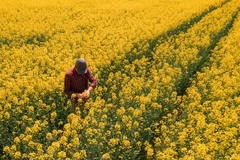
Wageningen University & Research (WUR) in the Netherlands has secured almost €4 million (~US$4.6 million) to transform protein-rich rapeseed, potato, and pulse side streams into ingredients and foods for human consumption.
The scientists aim to convert protein-rich agricultural residues from the food industry into ingredients for commercial applications such as plant-based and hybrid meat products, spreads, and fermented foods.
WUR will also explore using potato side streams to grow protein-rich fungi as food ingredients and ingredients for fermented products similar to tempeh.
The six-year project — Valorizing Agricultural Crop Side Streams into Consumer Foods (VASCO) — will harness two technologies, either separately or in combination: protein extraction and fermentation.
Side streams into food ingredients
The research team will use protein-rich agricultural side streams that are currently used as animal feed or for biofuel production, which have “relatively low economic values compared to consumer foods.”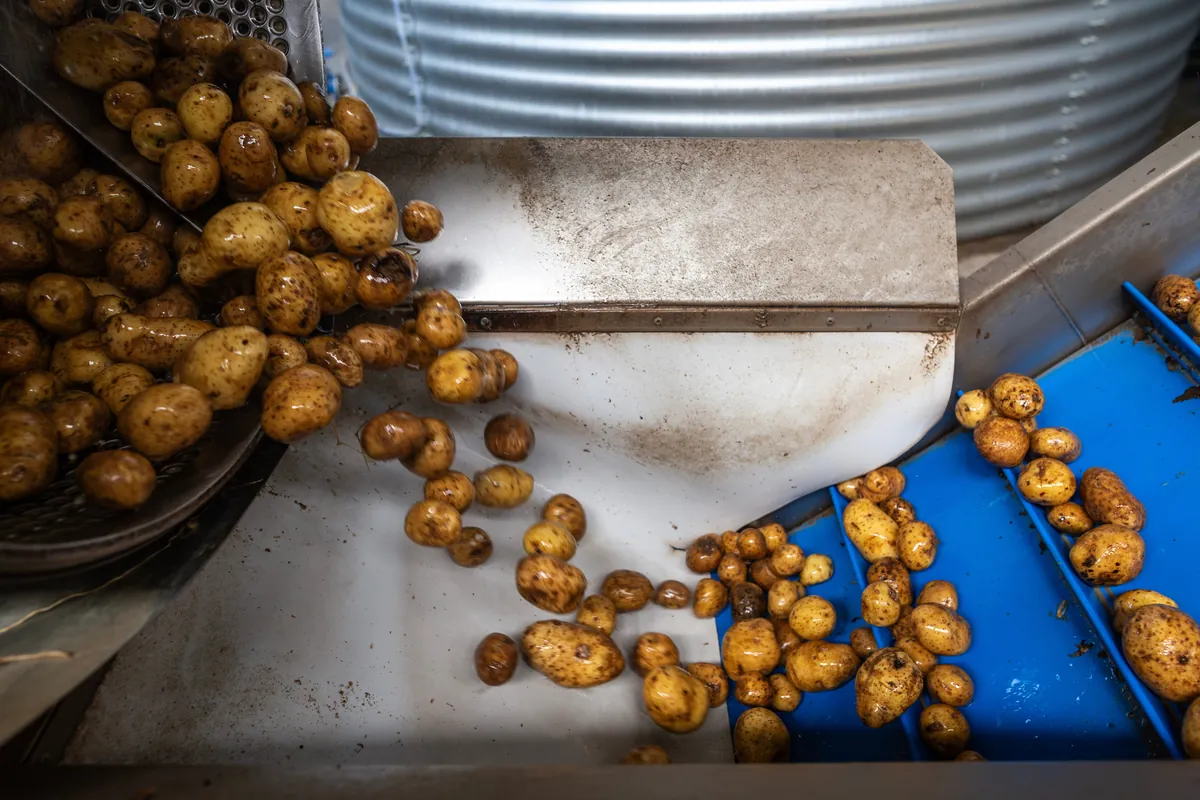 WUR is targeting rapeseed, potato, and pulse side streams for higher-value food applications.
Crop by-products such as rapeseed cake alone contain around 30% protein, but rarely used for human consumption, according to WUR. This presents an opportunity to extract greater value from materials that already exist within agricultural supply chains.
Dr. Heidy den Besten, professor of Ecology of Food Pathogens, tells Food Ingredients First that VASCO aims to unlock the potential of such plant-based side streams to create “consumer-appealing” food products. These products must also be nutritious and enhance the sustainability of the food system.
Den Besten says the resulting proteins could appeal to F&B manufacturers looking for “sustainably produced, protein-rich ingredients,” including companies working with snacks, biscuits, and other low-moisture foods.
VASCO develops food concepts and prototypes and establishes viable business models. The project also assesses economic and environmental impacts and analyzes barriers and opportunities for adoption across value chains, which she says supports the transition toward more sustainable value chains.
Industry interest in agricultural and food processing by-products, including brewer’s spent grain, rapeseed meal or press cake, and broccoli crop residues, is growing. Companies are increasingly looking to recover protein and other functional ingredients for higher-value food applications.
Fermentation tackles taste barriers
The scientists at WUR say they will use bacteria and fungi to transform the agricultural side streams using fermentation.
Den Besten tells us the project will focus on two technological routes to valorize side streams: “a safe-by-design bioconversion process by microbial fermentation and an enzyme-assisted fractionation process to extract functional ingredients from side streams.”
Microorganisms can remove undesirable compounds, such as glucosinolates and phytic acid, and also enhance the final product’s taste and aroma, the researchers note.
Some bacteria can also produce vitamins normally found mainly in animal-derived foods, including B12 and K2, potentially increasing the nutritional value of the resulting ingredients.
Sustainable protein processing
Underutilized rapeseed and pulse by-products can contain antinutritional factors that may be reduced through fermentation and specific extraction regimes, Den Besten explains.
Fermentative microorganisms are “potent enzyme producers,” which she says could soften side streams and produce taste-active compounds.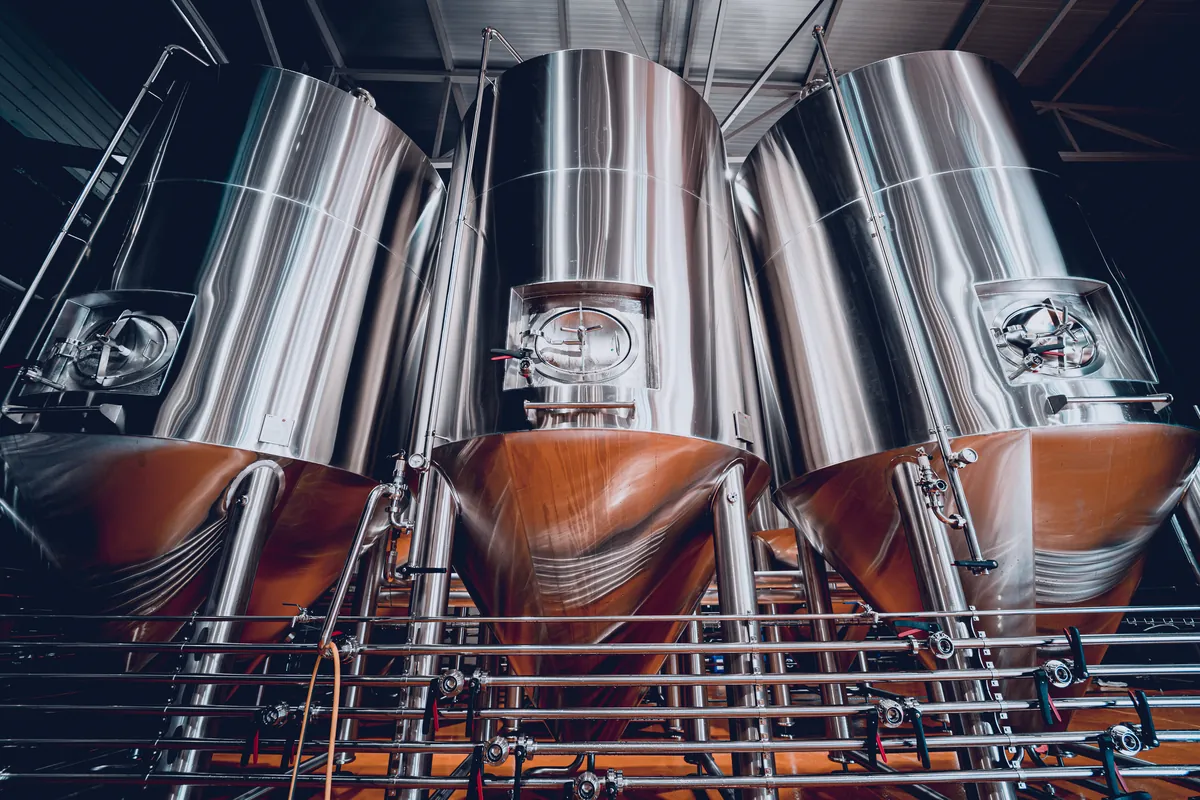
Fermentation could improve the taste, nutrition, and functionality of side-stream proteins.
Methods like dry fractionation and fermentation also offer environmental advantages as they are “relatively low in energy compared to conventional wet fractionation,” De Besten explains.
However, she clarifies that both these methods “have not been applied yet to the selected side streams: rapeseed cake, potato stems and piece waste, and rejected legumes (rejection to color and/or shape).”
Prototypes to market shelves
Beyond processing technology, VASCO will address the commercialization challenges for novel food ingredients.
The consortium is focusing on products that are “close to being market-ready,” the researchers note. Therefore, consumers will also be involved early in product development to determine which formats have the strongest commercial appeal.
De Besten hopes the project will serve as a blueprint for other supply chains if the concept proves to be a success.