


Expo West 2026 live: GNT spotlights natural color solutions as US regulation tightens

Key takeaways
- Following the US FDA ban on FD&C Red No. 3 and plans to phase out petroleum-based synthetic dyes, F&B brands are fast-tracking moves to plant-based color solutions.
- GNT Group’s Exberry colors, made from non-GMO fruits, vegetables, and plants, help manufacturers achieve vibrant, stable shades, including challenging blues via patented spirulina solutions.
- As regulatory momentum builds, brands that clearly communicate the agricultural origins and processing of plant-based colors.
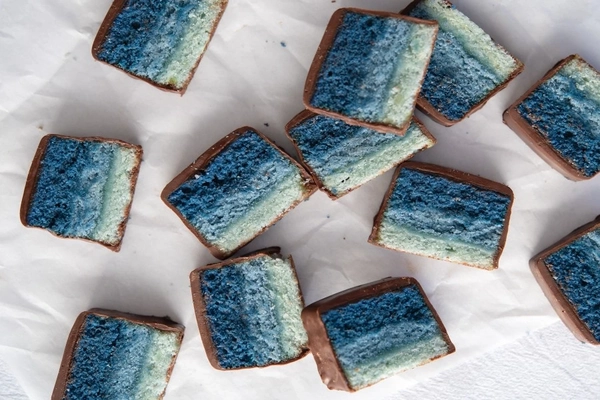
At Natural Products Expo West 2026, Food Ingredients First speaks with Jeannette O’Brien, VP of sales and marketing at GNT USA, about the company’s latest Exberry innovations and how they are helping brands navigate tightening color regulations and shifting consumer expectations.
Exberry color solutions are all made from non-GMO fruits, vegetables, and plants, delivering “a full rainbow of vibrant shades,” while providing the consistent and stable performance that manufacturers require. They offer regulatory compliance and transparent label declarations, such as “fruit and vegetable juice for color.”
“We’re showcasing their potential across beverages, confectionery, bakery, and snacks. Our concepts l include vibrant blue and green confections, high-impact reds and oranges, and colorful baked goods,” O’Brien says.

“Our concha cookies, for example, are inspired by traditional Mexican pan dulce and feature bright pink grapefruit, vivid orange, and passion fruit yellow hues. They celebrate cultural heritage while introducing a more playful, contemporary color expression that feels fresh and inviting.”
These concepts were created as part of GNT’s 2026 “Gather Together” color direction, which explores how expressive, culturally rooted palettes can spark connection and shared moments around food.
US color regulations
GNT is seeing continued demand for cleaner labels and more transparent sourcing as well as consumers moving away from artificial colors. While the move away from artificial colors is not new, the pace of change in the US is accelerating, O’Brien notes.
This shift comes as the US government, driven by Robert F. Kennedy’s “Make America Healthy Again” initiative, cracks down on artificial colors.
In January 2025, the US FDA issued a final order to ban the synthetic red food dye FD&C Red No. 3 in all foods by January 2027. A few months later, the agency, alongside the US Department of Health and Human Services, announced plans to phase out all petroleum‑based, synthetic food dyes by the end of 2026.
“We have focused exclusively on plant-based Exberry colors since GNT was founded in 1978. That long-standing specialization has given us deep application expertise across categories,” says O’Brien.
“Transitioning to plant-based color is not one-size-fits-all. In some applications, the move can be relatively straightforward. In others, it requires a more tailored approach based on processing conditions, formulation systems, and performance expectations.”
“We work closely with our customers through each stage, from initial feasibility assessment and color matching to processing validation and scale-up, helping them determine the most practical and effective path forward.”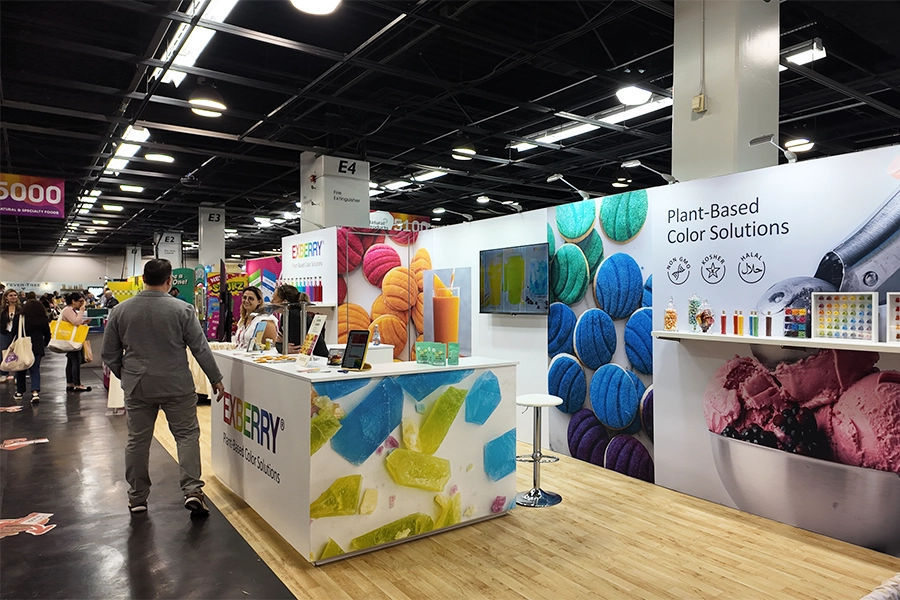 GNT spotlights plant-based Exberry colors at Expo West 2026, helping brands adapt to tightening US dye regulations and growing demand for clean label, naturally sourced shades.
Future-proofing color strategies
F&B manufacturers want to future-proof their color strategies, but they need clear market signals to guide those decisions. Regulatory signals, retailer policies, and evolving claim guidance suggest there is going to be a continued move toward plant-based color solutions and greater transparency in labeling.
“For manufacturers, this means thinking beyond short-term reformulation and considering long-term supply, scalability, and regional support,” continues O’Brien.
“One of the ways we are supporting North American brands is through continued investment in our production facility in North Carolina. The site expands capacity, strengthens regional supply, and enables closer technical collaboration with customers in the US and Canada. As demand for plant-based colors grows, having local production and application expertise becomes increasingly important.”
Addressing formulation challenges
O’Brien details how Exberry color solutions address the specific challenges manufacturers are facing within the plant-based and functional beverage segment. In beverages, natural reds, oranges, and yellows are relatively established, while the greater technical challenge lies in blue and, by extension, greens and the other secondary shades, she explains.
“Spirulina is the best-established source of natural blues and can deliver bold, bright shades, but it does need careful formulation for optimal results. Spirulina-based blues can be sensitive to heat, light, acid, and certain ingredient interactions. Functional beverages often add additional complexity because proteins, minerals, and botanicals can also influence stability and performance.”
“For a long time, these factors heavily limited the potential to use spirulina in most beverage applications. To address this, we developed a patented spirulina solution specifically designed for use in drinks. It improves stability through processing and supports ambient shelf life, helping manufacturers achieve reliable blue and green shades in real-world conditions.”
“We see blue as one of the most exciting opportunities in the market, and this development makes it possible to use spirulina in a vast range of products, including sports drinks, energy drinks, and enhanced waters.”
US regulators recently expanded how spirulina-based blue colors can be used across F&B applications, following a petition by GNT Group.
The future of F&B color
Looking ahead, O’Brien addresses the major trends poised to shape the future of color in F&B.
“We expect to see continued evolution in the year ahead. Color is becoming more of a strategic decision, balancing regulatory compliance, supply resilience, and performance.”
“Regulatory momentum in the US is likely to continue. The FDA recently issued guidance to indicate that products without petroleum-based dyes can now use ‘no artificial color’ claims, and recent approvals of additional plant-based color sources reflect continued activity within the existing regulatory framework.”
“Plant-based colors already offer many advantages for brands, but clear communication will play a growing role. Many shoppers are aware of artificial colors, but they’re less familiar with where natural colors come from or how they’re produced. That creates an opportunity for brands to take a more proactive role in education, highlighting agricultural sourcing and celebrating the origin of the colors as part of the product story,” O’Brien adds.
With additional reporting by Jolanda van Hal at Expo West 2026 in California, US