




EU plant-based VAT disparities threaten alternative protein competitiveness

Key takeaways
- Twelve EU member states impose higher VAT rates on some plant-based foods than on animal-based equivalents.
- Fragmented VAT policies complicate manufacturers’ pricing strategies and may discourage consumer demand for alternative proteins.
- The European Vegetarian Union calls for harmonized VAT guidance to improve affordability and support the EU’s domestic protein ambitions.
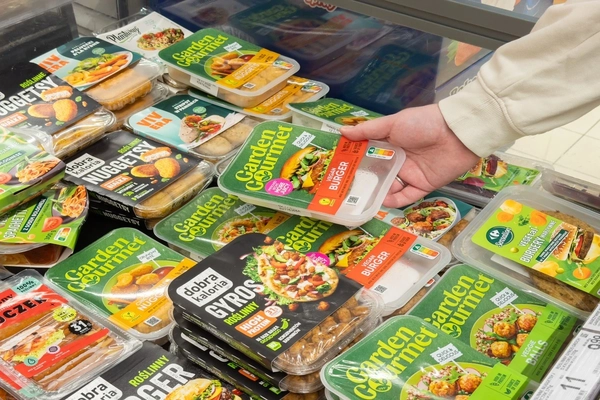
A new report highlighting significant disparities in how plant-based and animal-based foods are taxed across Europe has raised questions about market competition, pricing, and the future of alternative proteins. With 25 different VAT rates applying to the products surveyed, the findings also expose wider challenges for manufacturers operating across the EU.
The European Vegetarian Union’s (EVU) report — “VAT rates of plant-based foods 2026: A level playing field” — finds that 12 of the EU’s 27 member states apply a higher VAT rate to at least one plant-based food than to its animal-based equivalent.
The research compares 33 products across all member states, including plant-based drinks, cheese, and meat alternatives, as well as traditional protein sources, such as tofu, tempeh, seitan, and pulses.
Hungary, Croatia, Italy, and Portugal have some of the largest differences. In Hungary, the gap between the highest plant-based and corresponding animal-based rates was shown to reach 22 percentage points. The EVU calculates that, where products have the same pre-tax price, this translates into a 21% higher checkout price for the plant-based option.
Rafael Pinto, senior policy manager at the EVU, says the findings are significant given “almost 40 million Europeans can’t afford a high protein meal every second day.”
“This systematic fiscal discrimination of plant-based foods conditions consumers’ choices even more,” he says. “It’s only a free market and consumer choice if a level playing field exists. People who choose or need plant-based foods should not pay more tax for the same everyday function.”
“It’s a complete mess. There’s no uniform pattern across the EU or even within the categories in the member states.”
While the findings are presented by the EVU as evidence of unequal treatment, they also raise broader questions for the food industry about how products are classified, taxed, and priced across the European single market.
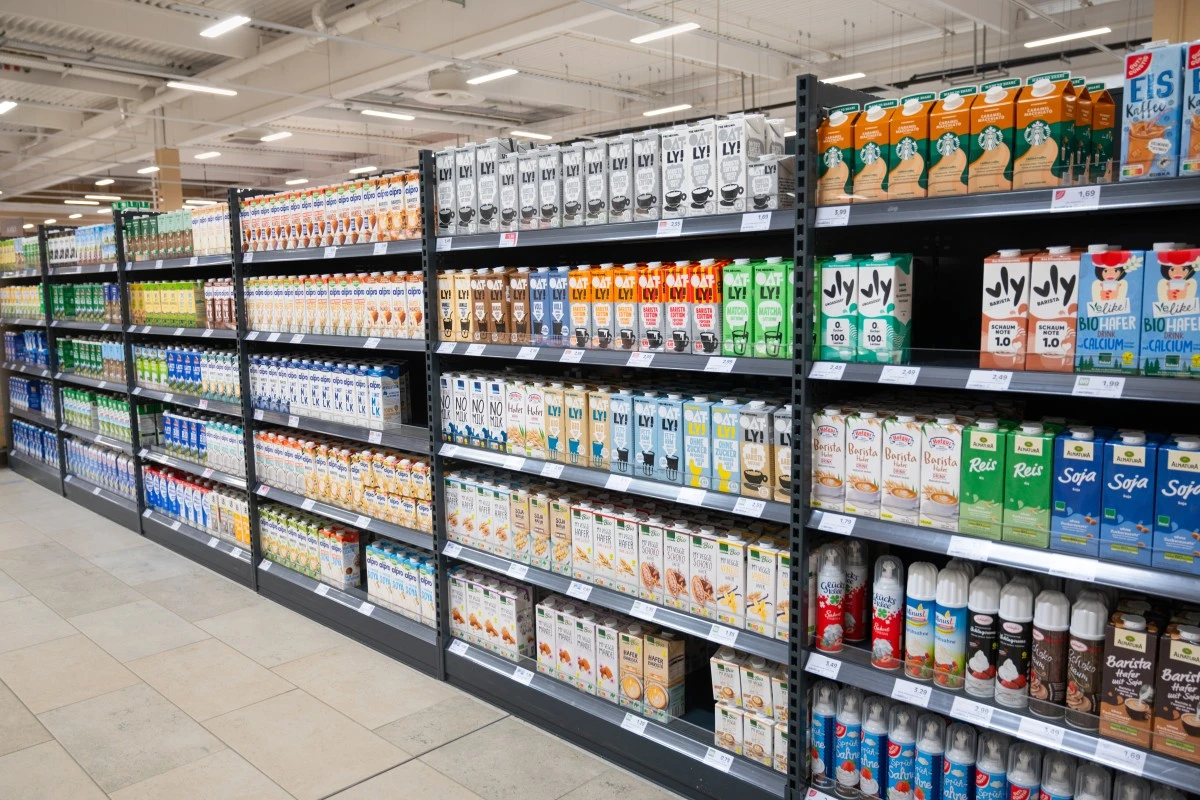 In Italy, plant-based drinks face 22% VAT compared to just 4% for cow’s milk.
A fragmented regulatory landscape
Plant-based drinks are the most frequently affected category. Eight member states (Austria, Croatia, Germany, Hungary, Italy, Romania, Slovakia, and Spain) apply higher VAT rates to plant-based drinks than to cow’s milk.
In Italy, plant-based drinks attract 22% VAT compared with 4% for cow’s milk. Elsewhere, the same oat drink is taxed at 6% in Belgium, 9% in the Netherlands, and 19% in Germany.
Plant-based meat alternatives also face higher rates in five countries: Hungary, Croatia, Portugal, Slovakia, and Poland.
The findings also extend beyond newer meat and dairy substitutes, with traditional plant proteins such as tofu, tempeh, seitan and pulses facing less favorable tax treatment in several markets.
For manufacturers operating internationally, these discrepancies add complexity to an already challenging trading environment. Different product classifications and tax treatments can make pricing strategies more difficult, particularly for businesses distributing similar products across multiple countries.
The issue is not simply the difference between reduced and standard VAT rates. It also concerns how national authorities categorize products that may serve similar nutritional or functional purposes but have different ingredients and manufacturing processes.
The EVU argues that this undermines the EU single market, with the same product potentially treated as a milk substitute in one country and a general beverage in another.
However, VAT is only one element of the final retail price. Ingredient costs, production scale, distribution, retailer margins, and promotional strategies all influence what consumers pay. The report compares statutory VAT rates rather than actual shelf prices, meaning the precise commercial impact will vary between products and markets.
Pricing, affordability and demand
The findings come amid continued pressure on household food budgets and growing scrutiny of the affordability of nutritious food.
For manufacturers, the report presents a commercial consideration beyond the debate about dietary preferences. If consumers perceive plant-based alternatives as significantly more expensive than comparable conventional products, price can become a barrier to trial and repeat purchases.
At the same time, tax reductions do not automatically translate into lower shelf prices. How much of any saving reaches consumers depends on decisions made throughout the supply chain, from manufacturers and distributors to retailers.
The question for policymakers is therefore not only whether different food categories should receive equivalent tax treatment, but also whether changes to taxation can deliver measurable benefits for consumers.
 Twelve EU member states impose higher VAT on some plant-based foods than their animal-based equivalents.
Implications for Europe’s protein supply chain
One of the more significant wider implications concerns the EU’s ambitions to strengthen domestic protein production.
The European Commission’s Protein Plan supports the production and availability of protein sources within Europe, including plant proteins. The EVU argues that higher VAT on plant-based foods could weaken demand for products made from pulses and other protein crops, potentially undermining the market opportunities available to EU farmers.
Calls for greater consistency
The EVU is calling on the European Commission to issue common guidance on VAT classification for plant-based foods and urging the 12 member states identified in its research to close the tax gaps.
There are already examples of governments moving toward greater parity. Belgium, Czechia, and Portugal have aligned VAT rates on plant-based drinks with those applied to cow’s milk. Spain also applies a super-reduced 4% rate to dried pulses, compared with 10% for meat, although this does not extend to canned pulses.
The 2022 reform of the EU VAT Directive gave member states greater flexibility to apply reduced or zero rates to certain foodstuffs, providing scope for national governments to review their approaches.
Whether the latest findings lead to wider changes remains uncertain. National governments must balance consumer affordability, tax revenues, and domestic food policy priorities, while manufacturers continue to operate within different regulatory and commercial environments.