



Natural preservation breakthroughs: F&B industry turns to multi-hurdle strategies

Key takeaways
- Natural food preservation combines fermentation-derived antimicrobials and botanical extracts with processing and packaging controls.
- Industry experts say clean label reformulation must balance microbial control, taste, and cost.
- Predictive modeling flags shelf life risks before formulation trials.
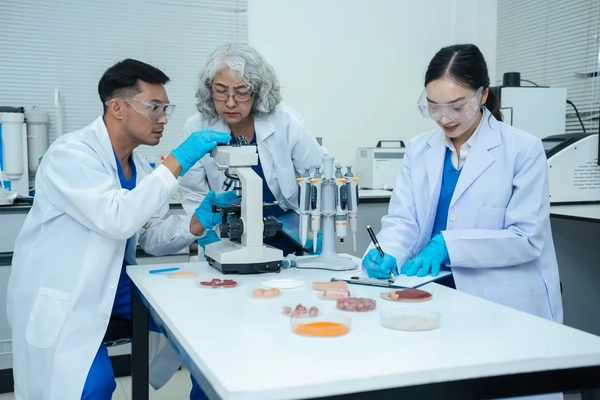
F&B companies increasingly view preservation as an integral part of food formulation and product design, rather than the addition of an ingredient at the end of product development. Industry experts tout the next breakthrough in natural food preservation to be in multi-hurdle systems — an integration of fermentation-derived antimicrobials, botanical extracts, and predictive modeling.
These advancements come as consumer expectations are adding complexity to preservation strategies. The European Food Safety Authority’s 2025 Eurobarometer found that 35% of EU citizens identified food additives among their leading food safety concerns.
Food Ingredients First speaks with Kerry, Galactic, Corbion, and Kemin Food Technologies about the advances in natural preservation strategies and how manufacturers are tackling challenges related to cost, regulatory complexity, and changing nutritional profiles.
What’s changed in natural preservation?
Innova Market Insights data shows F&B launches with natural preservatives grew at a 4% CAGR from October 2021 to September 2026. Europe led with 47% of these launches, while Ready Meals were the top category at 15%, followed by Cooking Sauces & Seasonings (13%), and Bakery Products (8%).
Pieter Van der Weeën, chief innovation officer at Galactic, attributes the rise in demand for more natural solutions in part to the COVID-19 pandemic, when consumers became more focused on their health.
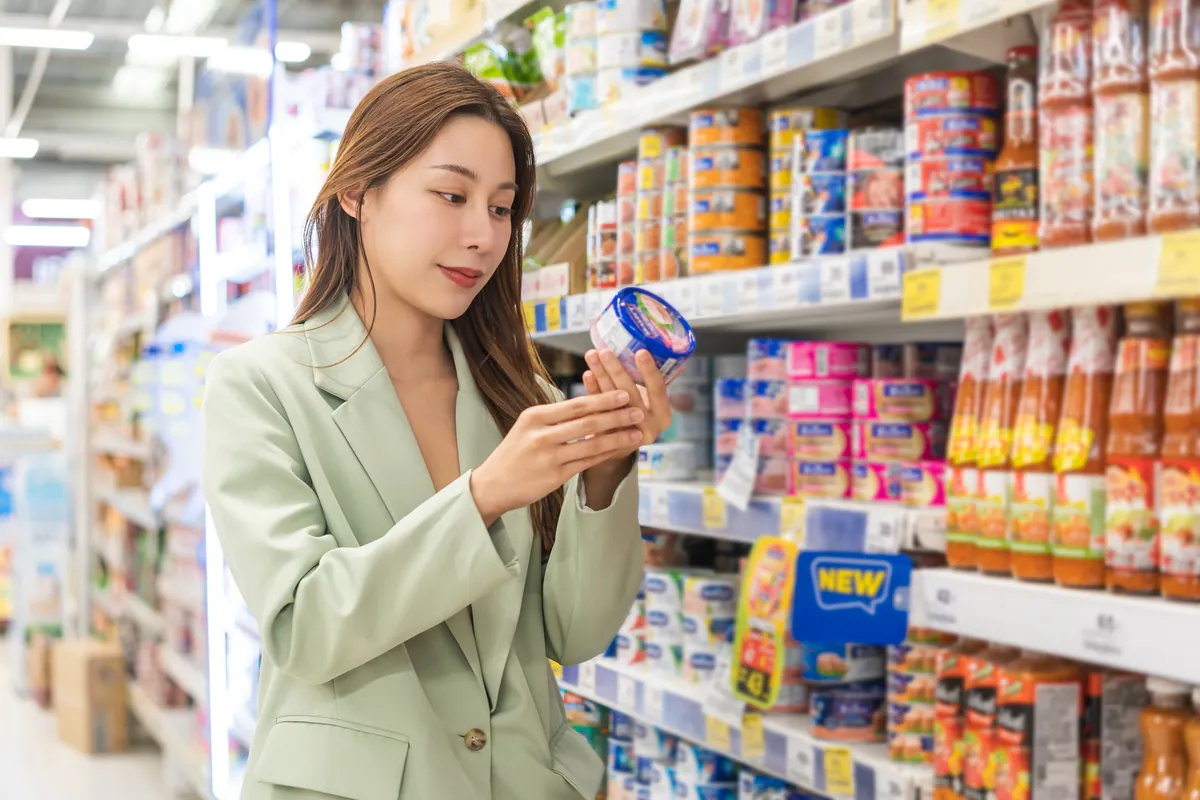 Consumer demand for transparent ingredient labels is driving interest in natural food preservation.“Social media and influencers further accelerated this trend. Consumers increasingly want transparency about what ingredients are used, why they are there, and how they contribute to food quality and safety,” he adds.
Bert de Vegt, VP and pillar executive, Food Protection & Preservation at Kerry, links these changing consumer expectations to how foods are formulated and how preservation science must evolve simultaneously.
“Consumers increasingly want foods made with natural, familiar, and recognizable ingredients, but they are not willing to compromise on safety, freshness, taste or shelf life,” he explains.
“Kerry’s ‘Left on the Shelf’ research, based on a survey of more than 5,000 consumers across ten countries, found that attitudes toward food preservation vary across consumer groups, reflecting different priorities around health, sustainability, food waste, taste, and affordability.”
“For manufacturers, this means clean label preservation cannot be viewed simply as removing or replacing an ingredient. Natural preservation has to create value, not simply create a different ingredient declaration.”
Regulation drives reformulation
Regulatory considerations add another layer of complexity for natural preservative innovators, as ingredient status, permitted uses, and labeling requirements can differ across regions, says de Vegt.
In the US, certain meat products preserved using natural sources of nitrites must be labeled “uncured.” A declaration must clarify that nitrates or nitrites occur naturally in the ingredients.
Van der Weeën also sees “stricter regulations and increased scrutiny” of the potential negative health impacts of certain ingredients as factors adding momentum for natural solutions.
 Pieter Van der Weeën: Natural preservation for low-pH beverages and sauces faces adoption barriers from higher costs and regulatory acceptance challenges.For Dan Ryan, technical services associate at Kemin Food Technologies, both regulatory and retailer pressure are accelerating reformulation.
“Manufacturers are interested in building formulations that are resilient to future changes. Both regulatory and consumer groups want recognizable, label-friendly alternatives to conventional preservatives.”
Where natural preservatives struggle
As companies address regulatory bottlenecks, they also need to steer clear of some industry myths.
“A large misconception is that natural preservation behaves like a ‘universal drop-in’ replacement for synthetic preservatives,” Ryan notes.
While natural or clean label antimicrobials can be highly effective, he explains that their efficacy depends on the organism, pH, water activity, manufacturing conditions, storage temperature, food matrix, and application rate.
Saffiera Karleen, business development manager at Corbion, points toward the challenges of working with preservatives of natural origin — including ensuring consistent raw material quality. These can only be delivered through precision technology, she argues.
“This is particularly important in bakery applications, where different products can present different spoilage risks and shelf life requirements.”
Additionally, since natural preservatives are produced with limited processing, manufacturers find isolating and concentrating the compounds responsible for preservation challenging, Van der Weeën at Galactic emphasizes.
“As a result, natural preservatives often contain relatively low levels of active compounds and a broad mix of naturally occurring components, meaning high dosages may be required to achieve the desired preservation effect.”
Limited processing can produce strong colors and flavors, particularly at higher dosages. Galactic addresses this by developing natural antimicrobials that enhance taste while providing effective preservation.
Reformulation’s toughest F&B applications
High moisture, long shelf life expectations, and mild processing products are some of the more challenging applications to reformulate with natural preservation systems, Ryan at Kemin explains.
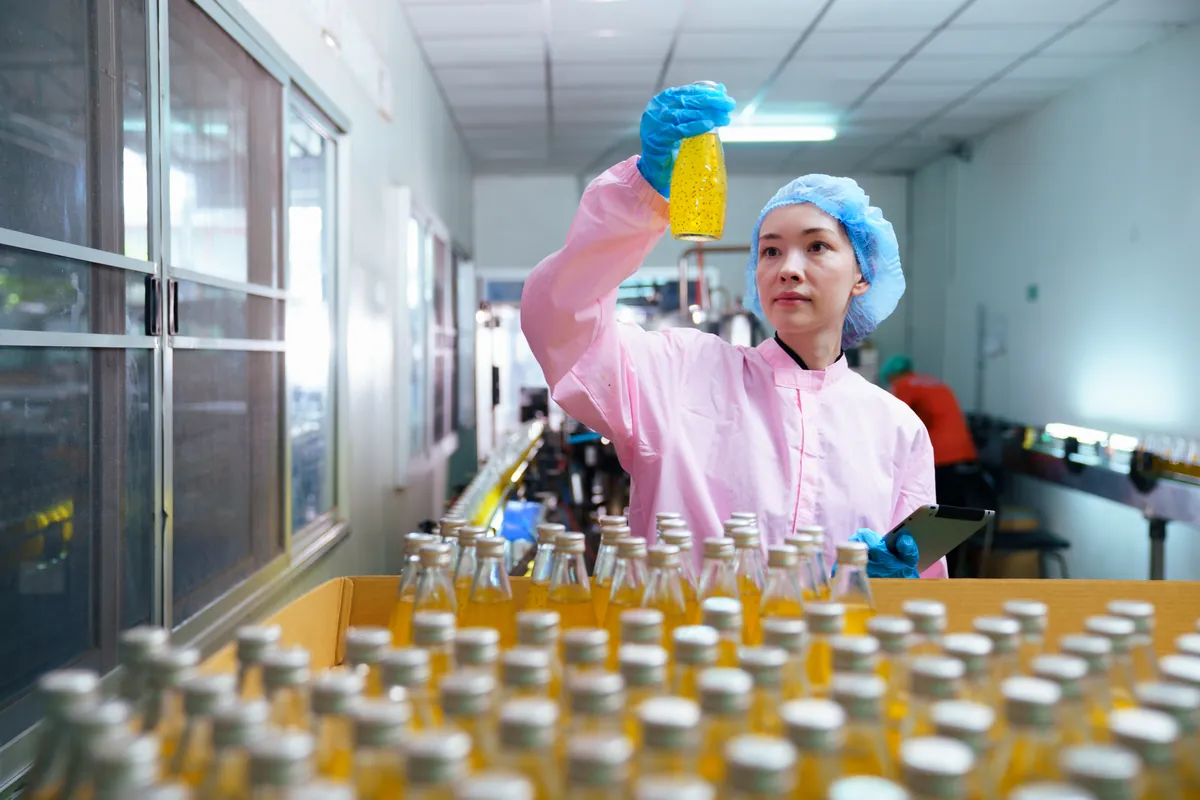 Beverage manufacturers must balance natural preservation with taste, color, and clarity.“Meat and poultry can experience microbial spoilage, pathogen concerns, lipid oxidation, discoloration, and warmed-over flavor all at the same time, and solving one problem doesn’t necessarily solve the others.”
In high-fat foods such as oils, fried foods, nuts, and snacks present oxidation challenges, while natural preservation must protect beverages without compromising taste, color, or clarity, he adds.
In meat applications, de Vegt at Kerry points to opportunities to move beyond preservation systems that rely on high levels of lactates and explore more efficient approaches.
“The opportunity is bigger than replacing one ingredient with another. It is about considering microbial performance, dosage, sodium contribution, sensory impact, operational handling, and total cost in use when developing an integrated preservation solution.”
Exploring multi-hurdle strategies
Food manufacturers are increasingly combining preservation ingredients with processing, packaging, and storage controls to meet shelf life targets without compromising product quality.
“Multifunctional preservation systems are one example of this approach, combining complementary ingredient technologies to support broad-spectrum pathogen and spoilage control across applications, such as fresh meat, processed meat, and plant-based meat alternatives,” says de Vegt.
Kemin’s Ryan calls for preservation systems to be designed into the product while formulating and not added as an afterthought.
“Instead of asking one ingredient to do everything, manufacturers are combining complementary controls, including processing technologies such as high-pressure processing or nitrogen flushing, and ingredient-based solutions to help protect against oxidation, spoilage, and pathogen growth,” he notes.
For bakery manufacturers, Corbion’s Karleen highlights the importance of combining mold inhibition with pH management, formulation, hygiene, packaging, and storage conditions.
 Dan Ryan: Natural bakery preservation must prevent mold and maintain softness while preserving yeast activity in yeast-leavened products (Image credit: Kemin).“The objective is to determine how the different elements of the preservation system can work together synergistically to deliver the required performance while maintaining product quality in reaching the intended shelf life,” she says.
Meanwhile, Galactic extends the discussion beyond unopened shelf life. Van der Weeën says preservatives “add another layer of protection” when combined with other approaches.
“This is particularly important for secondary shelf life: what happens to our food once the packaging is opened and the product is used over time rather than consumed immediately?”
Fermentation and predictive tool advances
Some of the most exciting progress in natural preservation is not coming from ingredients or data independently, but from “bringing the two together,” according to Kerry’s Bert de Vegt.
He says Kerry combines vinegar-based antimicrobials, fermentation-derived ingredients, and plant extracts with predictive tools to assess potential performance before targeted testing.
Corbion similarly uses fermentation-derived mold inhibitors and predictive modeling for bakery.
“By evaluating expected preservation performance earlier in product development, manufacturers can compare potential preservation strategies and make more informed formulation decisions before moving into final trials and validation,” Karleen explains.
Meanwhile, Van der Weeën stresses the value of reducing contamination before preservation systems are applied. “One often overlooked strategy is improving the hygiene of raw materials and production environments to reduce microbial load from the outset,” he says.
“This remains a highly effective way to extend shelf life, particularly in categories such as fresh seafood, where many preservation methods are unsuitable.”
Preservation starts with formulation
Preservation decisions are moving upstream as manufacturers cut salt and sugar or add protein and fiber to products, particularly as GLP-1 adoption adds another dimension to consumers’ evolving needs.
 Saffiera Karleen: Predictive modeling helps manufacturers compare preservation strategies and refine formulations before final trials.Looking ahead, Kerry’s de Vegt expects predictive tools to help developers assess how those changes could affect shelf life while there is still time to adjust the recipe.
“The next breakthrough will come from the convergence of preservation science, nutrition innovation, and predictive capability,” he says.
Kemin’s Ryan anticipates advances in standardized plant extracts, botanical blends, and delivery methods, such as emulsions and encapsulation. He describes these tools as part of a broader effort to match preservation strategies to the specific reasons a product deteriorates.
“The opportunity is to better understand why a product loses quality and design the right combinations of ingredients, processing, and packaging to address those specific mechanisms,” he emphasizes.
Galactic’s Van der Weeën acknowledges the industry’s efforts in developing “higher-performing, cleaner natural preservation solutions” to phase out some conventional preservatives.
“To support their adoption, the industry must ensure these innovations are assessed for safety and regulatory compliance efficiently and within a reasonable timeframe,” he says.