

General Mills restructures food operations as it targets growth and innovation

Key takeaways
- General Mills is consolidating four business segments into three to accelerate growth and improve operational efficiency.
- The restructuring follows declining sales and coincides with a broader cost-saving program targeting US$3 billion by fiscal 2030.
- Protein, fiber, bold flavors, and indulgence are key innovation priorities as General Mills adapts to changing consumer demand.
General Mills is restructuring its operating model, reorganizing four existing business segments into three. The US food giant wants to accelerate growth, improve efficiency, and respond more quickly to changing consumer preferences through this move.
The overhaul, effective January 1, 2027, comes amid pressure to revive sales and coincides with a leadership transition that will see Dana McNabb take over as CEO from Jeff Harmening.
The Minneapolis-based company, whose brands include Cheerios, Nature Valley, Old El Paso, and Betty Crocker, says the changes will streamline decision-making and strengthen its ability to turn consumer insights into commercial opportunities.
Reshaping the business
Under the new structure, General Mills will operate through three divisions: Cereal, Snacks & International; Meals & Baking Solutions; and Pet.
The Cereal, Snacks & International division will bring together the company’s US cereal and snacks businesses, Canadian operations, and international portfolio.
Meals & Baking Solutions will combine US meals and baking operations with North America Foodservice, while the Pet division will remain unchanged.
General Mills is also establishing a centralized commercial function that will integrate marketing, sales, consumer insights, and analytics. The company says the changes are intended to improve its omnichannel capabilities and direct resources toward strategic priorities.
“Winning consumer choice today means responding faster to changing needs,” says McNabb, currently chief operating officer and incoming CEO.
Ricardo Fernandez will lead Cereal, Snacks & International, while Brett White has been promoted to president of Meals & Baking Solutions. Liz Mascolo will continue to oversee Pet, and Josh Yates will become chief commercial officer.
Sales pressures drive transformation
The restructuring follows a challenging financial year for General Mills, which reported a 5% decline in net sales to US$18.4 billion in fiscal 2026. Organic net sales fell 2%, reflecting weaker consumer sentiment and pressure on category volumes.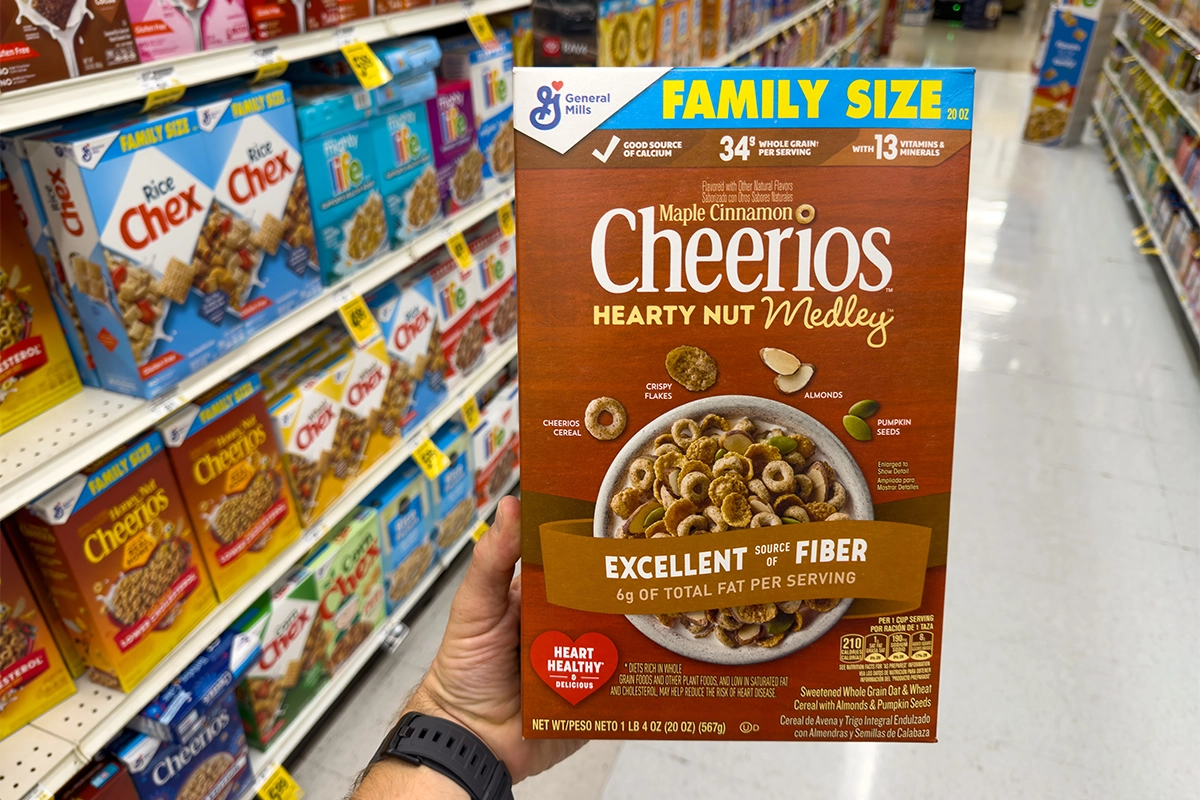 General Mills is prioritizing protein, fiber, and indulgence as it restructures its global food operations.
The company reported a further 3% decline in net sales during the first quarter of fiscal 2027, primarily reflecting the divestiture of its US yogurt business. Organic sales were flat, while higher input costs and lower volumes weighed on adjusted operating profit.
Against this backdrop, General Mills is pursuing a wider efficiency program targeting at least US$750 million in savings during fiscal 2027 and US$3 billion in cumulative savings by fiscal 2030.
These targets form part of existing productivity and transformation initiatives. The company has not specified how much the new operating structure will contribute to the savings.
What does it mean for food innovation?
Beyond operational efficiency, the restructuring comes as General Mills seeks to reinvigorate its product portfolio and strengthen consumer demand.
The company has identified protein, fiber, bold flavors, and indulgence as priorities for product innovation and renovation in fiscal 2027.
These ambitions reflect wider industry efforts to improve nutritional value while maintaining affordability and sensory appeal. As Food Ingredients First recently explored, rising demand for protein and fiber is pushing manufacturers to rethink familiar food formats without compromising taste and texture.
General Mills is also responding to growing scrutiny of food additives. In August, it completed the removal of certified colors from its US cereal portfolio, reflecting a broader shift toward natural color alternatives across the breakfast cereal industry.
Its transformation extends to ingredient sourcing. Earlier this year, General Mills partnered with ADM and Walmart to expand the adoption of regenerative farming practices across 40,000 acres of wheat-growing land in the US Midwest, aiming to strengthen agricultural supply resilience.
For ingredient suppliers, the new structure raises questions about how General Mills will coordinate innovation, procurement, and product development across its consolidated divisions.
However, the company has not announced changes to its R&D organization, ingredient sourcing arrangements, or manufacturing footprint as part of the latest restructuring.
General Mills will report its second-quarter fiscal 2027 results under the existing segment structure in December before switching to the new reporting model for its third-quarter results in March 2027.