

Steakholder Foods to unveil 3D-printed plant-based steak in the US to address texture barriers


Key takeaways
- Steakholder Foods will launch Perfecta plant-based meat in the US later this year in whole-cut steak, chicken, and seafood formats.
- The Israel-based company uses 3D-printing to replicate conventional meat textures.
- The technology targets premium alt-meat positioning and repeat consumer purchase potential.
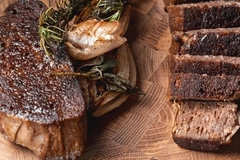 (Image credit: Steakholder Foods).
Steakholder Foods has announced it intends to launch its Perfecta plant-based meat in the US during the second half of 2026, aiming to address the plant-based sector’s taste and texture challenges and deliver a whole-cut meat experience to consumers.
The Israel-based 3D-printing company will market the meat substitute as a “next-generation, plant-based protein platform” — expanding across multiple protein analog categories to appeal to vegetarian and flexitarian consumers. Nearly 30% of global consumers consider a lack of taste in plant-based foods as a negative characteristic, according to Innova Market Insights.
With Perfecta, Steakholder Foods aims to increase the adoption of plant-based proteins among these consumers by closely replicating the “animal meat sensory experience” through its proprietary production process.

CEO Arik Kaufman describes the planned US entry as a “pivotal step” in Steakholder Foods’ path toward commercialization. He adds that the move reflects “both our technological maturity and our readiness to begin engaging with one of the world’s most important markets.”
Whole-cut 3D-printed plant-based protein
Plant‑based meat products still struggle with convincing texture and sensory experience, leading to weaker repeat purchase behavior among consumers. Caroline Cotto, the director of Nectar, told Food Ingredients First, that, in a recent report by the sensory research initiative, found that 46% of US consumers are not making repeat purchases, claiming “taste dissatisfaction.”
However, steak represented one of the whitespace innovation opportunities in the report, where texture improvements could have a big impact.
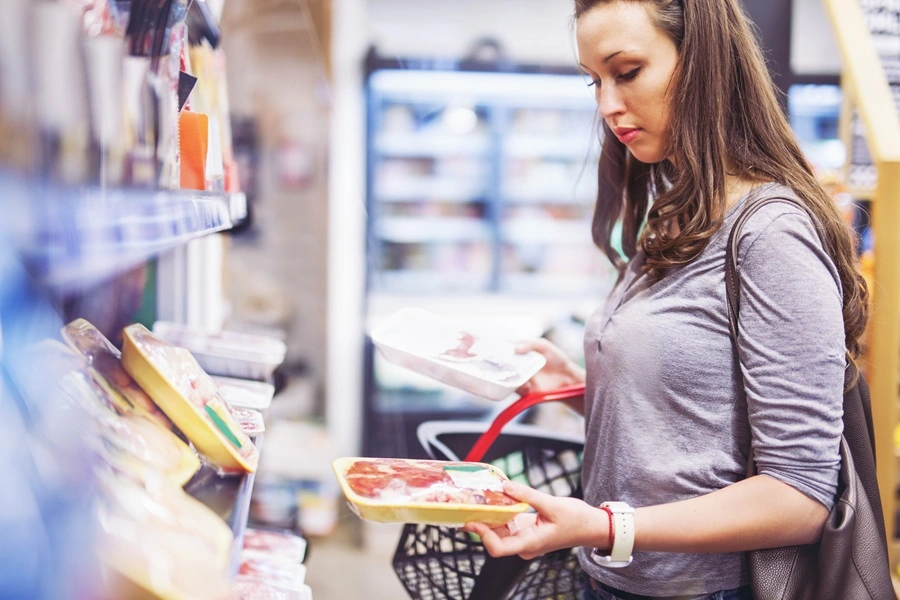 Perfecta aims to unlock broader adoption among flexitarians with taste, texture, and whole-cut experience.For Steakholder Foods, Perfecta’s main differentiating characteristics include whole-cut plant-based formats replicating steak and chicken breast-style products, and textures created to better mimic fibrous meat structure and mouthfeel.
The company uses a proprietary production process to create marbling-like characteristics, which it says can help manufacturers support premium positioning. The product lineup includes extruded formats such as salmon, white fish, and hamburger patties, and products recognized at international trade shows for taste and quality.
Steakholder Foods’ 3D-printing machines mimic traditional meat’s complex textures, helping companies offer consumers a sustainable alternative to industrialized meat and seafood.
“The output and the throughput of these machines are supposed to be very high. For example, the 3D meat printer prints with an output of half a ton per hour. Through 3D printing, we can structure complex matrices of alternative proteins, whole cuts in the meat, and very complex matrices of seafood and fish products,” Kaufman previously told us.
The company has planned a “phased rollout” for Perfecta, starting in the Northeastern US. This will be followed by retail expansion as the supply chain and distribution scale, alongside brand and marketing support, to enhance awareness and establish repeat purchase momentum.
Innovations in 3D-printed plant-based proteins
Alt-protein companies are increasingly exploring 3D-food printing to offer the flavors and mouthfeel of conventional meat to consumers.
Steakholder Foods uses the technology to develop alternatives to beef steaks, white fish, shrimp, and eel. The company is also exploring the integration of cultivated cells to propel future advancements in food technology.
Meanwhile, Austria-based Revo Foods is leveraging 3D extrusion tech with fungi protein and microalgae oils to mimic flaky fish textures, expanding the scope of 3D‑supported ingredient innovation.
Scientists in Hong Kong are exploring AI-driven 3D-food printing systems for energy and food safety benefits. They have developed an online process that prevents exposure to air and contamination risks, to improve food safety over conventional 3D-food printing, which involves post-processing steps.



Upcoming webinars

Oat-Standing Ingredients - Showcasing Irish Grain Through Innovation
Tirlán Ingredients

2027 Food Safety Risks for Quality & Compliance Leaders
FoodChain ID

Formulating for function: Developing benefit-led beverages with natural colours, botanicals, and flavours
Givaudan Sense Colour