

Oshi raises US$3M to scale Whitefish plant-based seafood innovation


Key takeaways
- Oshi has secured a US$3 million strategic investment and opened a community investment round to scale nationally.
- The US-based company has also launched a Whitefish plant-based fillet using patented technology to mimic flaky fish textures.
- Oshi’s products are expanding into restaurants and retail across the US, with a major national rollout planned for 2026.
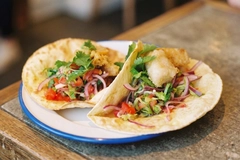 (Image credit: Oshi).
US-based food tech startup Oshi has secured a US$3 million strategic investment and launched a new Whitefish product line — signaling its national expansion in the plant-based seafood industry. The company aims to replace industrial fishing with plant-based, whole-cut seafood while offering authentic taste, texture, and sustainability benefits to manufacturers.
Oshi is positioning itself as the next major disruptor in the plant-based seafood industry, as consumers increasingly show acceptance toward the category. Over one in two global consumers are willing to try out plant-based fish, with 19% showing a preference for products mimicking conventional products in terms of taste and texture, according to Innova Market Insights data.
The company says it is moving from the pilot stage to a national scale after five years of rigorous R&D and growing market traction.

Oshi’s CEO and co-founder Ofek Ron tells Food Ingredients First that the investment partnership bridges the gap between traditional seafood infrastructure and the future of sustainable protein.
“Securing US$3 million from a traditional seafood manufacturing giant is the ultimate industry validation. It unlocks massive operational expertise and global supply chain networks, giving us an immediate footprint to scale both production and distribution internationally.”
“We are now inviting our community to join this momentum — investing in a mission that is good for the ocean and built for massive commercial growth,” he adds. Oshi has announced the opening of its community investment round on Wefunder.
Mimicking “flaky” fish textures
The launch of the Whitefish series — a whole-cut plant-based fillet — also marks Oshi’s product expansion beyond its flagship salmon product. The products are joining Oshi’s salmon in restaurants and retailers across the US.
 Ofek Ron: Securing US$3 million from a major seafood manufacturer gives us the footprint to scale production and distribution globally.The product was developed over five years with intense R&D to create a whole-cut fillet, with a texture Ron describes as “delicate and flaky,” with an “ocean-scented” profile of fish.
“Using our patented, proprietary technology, we’ve successfully solved the ‘whole-cut’ challenge that previously limited the category. We focus on a clean, marine aroma that mimics fresh sea air, ensuring that all five senses are engaged for an authentic seafood experience,” he tells us.
The versatile, “ocean-scented” flavor profile is designed to appeal to fine-dining chefs as well as consumers.
Björn Öte, co-founder of Oatly and Oshi investor, says plant-based fish is a “brutally tough challenge.” “Oshi hasn’t just developed a compelling product; they’ve built a proprietary production process that gives them a real edge. They have a real shot at defining this category.”
Scaling plant-based seafood
Oshi says it has seen a revenue growth of four times year-over-year, and is now preparing for a major national retail rollout targeting 686 retail locations in 2026. This expansion is supported by distributors like KeHE and UNFI, with products entering retailers such as Lassens, Mother’s Market, and Earthfare.
The company has reportedly reduced its production costs by over 80% by using its “plug-and-play” manufacturing model, aiming for price parity with conventional fish. This is because the model requires “zero heavy capex, allowing us to rapidly scale,” Ron explains. The company is targeting a national retail rollout of “nearly 700 doors.”
While most food-tech companies build “expensive factories from scratch,” he says Oshi’s breakthrough was designing proprietary equipment that integrates into existing traditional food manufacturing facilities.




Upcoming webinars

Oat-Standing Ingredients - Showcasing Irish Grain Through Innovation
Tirlán Ingredients

2027 Food Safety Risks for Quality & Compliance Leaders
FoodChain ID

Formulating for function: Developing benefit-led beverages with natural colours, botanicals, and flavours
Givaudan Sense Colour