




OlsAro raises €5M to bring salt-tolerant wheat closer to market

Key takeaways
- OlsAro raises more funds to commercialize salt-tolerant wheat and expand its cereal genetics platform.
- The company reports up to 41% higher yields than a moderately salt-tolerant wheat variety in saline conditions in Bangladesh.
- Funding will support global trials and research into drought tolerance and nitrogen-use efficiency.
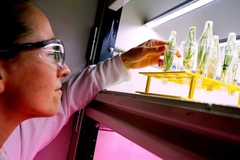 (All image credits: OlsAro).
Swedish agtech company OlsAro has secured €5 million (US$5.6 million) in seed funding to bring its first salt-tolerant wheat product toward market and expand its climate-resilient cereal genetics platform.
Industrifonden led the round, with Nordic Foodtech VC as co-lead. Existing investors included PINC, Paulig’s venture arm, Future Food Fund, AgFunder, and GU Ventures. The investment brings OlsAro’s total funding to approximately €7.5 million (US$8.4 million).
OlsAro reports that its wheat delivered up to 41% higher yields than a moderately salt-tolerant variety under saline conditions in Bangladesh. The company says the product has undergone four years of field trials.
The findings point to potential opportunities to protect wheat production in salt-affected regions, supporting the raw material supply underpinning flour and wheat-based foods.

“By expanding SeedAX across more traits and markets, we can help our partners bring climate-resilient cereals to farmers faster and at much greater scale,” says Elén Faxö, CEO of OlsAro.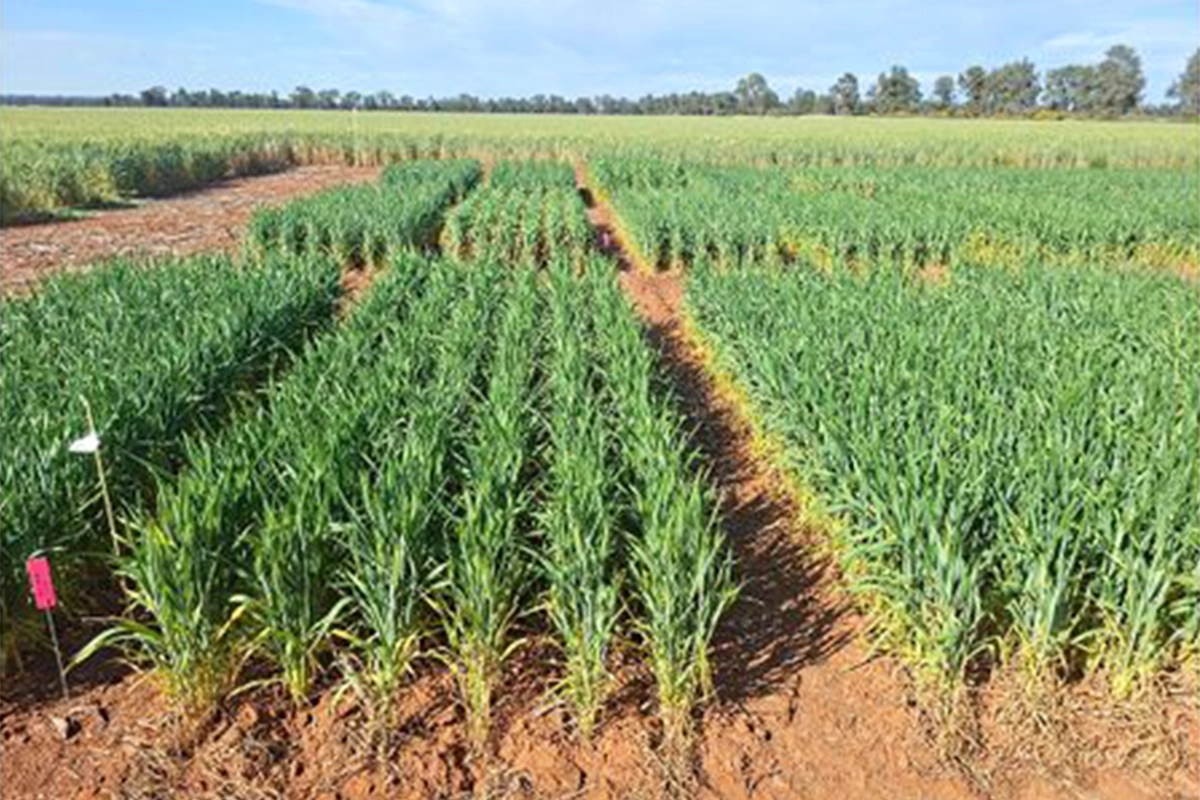 OlsAro reports that its wheat delivered up to 41% higher yields than a moderately salt-tolerant variety in saline conditions in Bangladesh.
SeedAX draws on a proprietary seed population and multiple technologies to develop cereal traits and varieties. The company works with seed businesses to accelerate breeding for environmental resilience.
The funding will support international field trials, commercial work with seed-company partners, and further R&D. OlsAro will also advance drought tolerance and nitrogen-use efficiency programs, while pursuing expansion into other cereals, including rice.
Wheat supply pressures
Climate pressures are already affecting cereal production.
In September, we reported that prolonged dry weather pushed UK wheat yields below average. The Agriculture and Horticulture Development Board’s final harvest survey recorded winter wheat yields of 6.9 metric tons per hectare, around 11% below the five-year benchmark, with results varying according to rainfall, soil type, and moisture availability.
A separate report on Europe’s food system, covered this week, warned that heat, drought, and water scarcity are putting agricultural productivity under pressure. The Economist Enterprise analysis, supported by Cargill, highlighted risks to raw material availability, operating costs, and food prices, alongside the need for investment in agricultural innovation.
Manufacturers are also adapting to wheat variability through formulation. In August, Novonesis outlined how its pasta biosolution helps producers diversify flour sourcing while maintaining texture. The approach targets greater flexibility in using softer or lower-protein wheat, reflecting manufacturers’ need to balance ingredient availability with consistent product quality.