




Gourmey cultivated duck clears key Australia-New Zealand regulatory hurdle

Key takeaways
- FSANZ has approved Gourmey’s cultivated duck ingredient, subject to ministerial review.
- The ingredient would be used in foods such as foie gras and pâté, with no safety concerns identified.
- The decision builds on Parima’s Singapore approval and follows Vow’s cultivated quail launch in Australia.
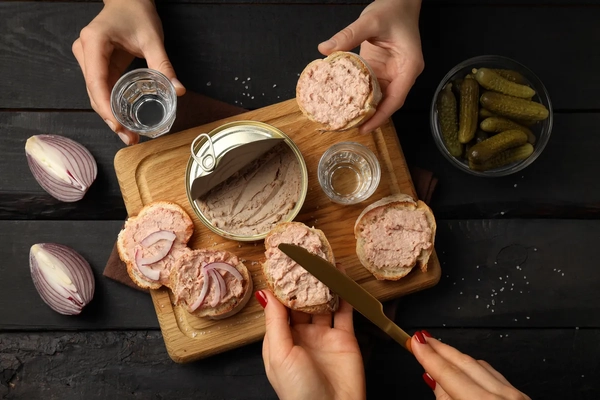
Gourmey’s cultivated duck ingredient has cleared a regulatory hurdle in Australia and New Zealand, with Food Standards Australia New Zealand (FSANZ) approving changes that would allow its use in foods such as foie gras and pâté.
In its official notification published on October 13, FSANZ confirms that its board approved application A1341 on October 6. The Food Ministers’ Meeting has 60 days to request a review or inform the regulator that it does not intend to do so.
Addressing food safety risks
The application was submitted by Suprême SAS, trading as Gourmey. Its biomass is produced from Pekin duck embryonic stem cells and can be combined with other ingredients to create finished foods.

According to FSANZ’s approval report, the permission would cover foodservice products, mixed foods for retail, and wholesale supply of the biomass to caterers and manufacturers.
This gives the ingredient a potential route beyond restaurant menus, allowing food businesses to incorporate it into their own formulations.
 From cultivated duck cells to foie gras, Gourmey is targeting premium dining as a route to market.FSANZ says it found no public health or safety concerns associated with the production cell line or resulting biomass. Its assessment examined the cells, production process, and inputs, finding the cells remained stable during production and that manufacturing controls adequately addressed microbiological risks.
The assessment covered the biomass rather than finished formulations. Manufacturers remain responsible for ensuring all components of their final products comply with food law. The approved changes would take effect on gazettal.
Cultivated market serving
Last year, Gourmey acquired Vital Meat to form Parima, combining cultivated duck and chicken capabilities.
Under that structure, Gourmey became the culinary and innovation arm, focused on premium products, chef collaborations, and fine food distribution. The company aims to serve markets ranging from high-end foodservice to B2B ingredients.
Parima subsequently secured Singapore approval for cultivated duck in April 2026, following authorization of its cultivated chicken in October 2025.
At the time, CEO Nicolas Morin-Forest said: “Our focus now is commercialization to deliver high-quality and safe products at meaningful volumes.”
The FSANZ decision advances that international regulatory effort, although it does not establish when Australian or New Zealand customers might first encounter the duck ingredient.
There is already a local precedent for introducing cultivated poultry through premium dining. Last year, Australia officially approved the sale of Vow’s cultured meat. Its cultivated Japanese quail is sold under the Forged brand and has been in high demand in Singapore since it debuted at restaurants there.