

November in review: EUDR postponement, COP30 controversy, gut health growth

Key takeaways
- The European Parliament backed a one-year delay to the EUDR, while COP30 drew scrutiny over Brazil’s new “AgriZone.”
- Experts highlighted growing gut health and protein opportunities, and the rising influence of GLP-1 medications on F&B innovation.
- Major corporate news included PepsiCo’s Frito-Lay plant closures amid shifting consumer demand.
In November, the European Parliament voted in favor of a one-year postponement of the EU Deforestation Regulation, while Brazil introduced an unprecedented “AgriZone” platform for its agriculture sector at COP30.
Innova Market Insights pinpointed opportunities for brands in the burgeoning protein, gut health, and GLP-1 markets.
Food Ingredients First previewed the major themes and Innovation Awards finalists at Fi Europe 2025 in Paris, France, which starts tomorrow.
We look back at the biggest stories from November.
Novel foods: Experts debate regulatory obstacles at Future of Protein Production 2025
At the Future of Protein Production summit, experts unpacked where novel food companies should first seek regulatory approval — with Singapore, Australia, and New Zealand emerging as fast-track options. While Singapore offers quick market entry and valuable proof of concept, Europe’s slower processes and differing consumer landscapes pose challenges.

How to define ultra-processed foods? IFT experts renew calls for science-based classification
Pressure is mounting on food regulators to devise an official definition of ultra-processed foods (UPFs). As many call for the worst excesses of industrial food production to be reined in, one of the hot-button topics is how to define UPFs. It was back in the spotlight as the Institute of Food Technologists (IFT) seeks a uniform national standard on UPF.
Microgravity meals: Tackling taste, texture & safety challenges in space food
As space missions grow longer and more complex, food innovation has become a vital part of astronaut well-being and mission success. Food Ingredients First sat down with Dr. Sonja Brungs, an engineer at the German Aerospace Center, for behind-the-scenes insights into space food innovation.
Corporate capture or climate collaboration? Brazil launches agribusiness platform at COP30
At COP30, Brazil gave its agriculture sector an unprecedented platform with 400 industry-led events at the new “AgriZone,” sparking concerns over corporate influence. Despite pledging to cut methane, Brazil’s climate plan excludes agricultural emissions. Critics warned that the move allows agribusiness to appear climate-friendly while avoiding real regulation.
What’s trending in protein? How brands can prosper from fast-evolving F&B market
Global demand for high-protein foods is booming, but brands must go beyond simple “protein-packed” claims to stand out. Innova Market Insights found weight management is the third leading reason consumers seek more protein, yet only 5% of new launches pair protein with this benefit — a missed opportunity, said global insights director Lu Ann Williams.
PepsiCo closes multiple Frito-Lay plants across US amid snack market pressures
PepsiCo revealed plans to close several Frito-Lay manufacturing plants across the US in 2025, citing weakening consumer demand and rising operational costs. The closures, impacting facilities that have been in operation for decades, reflect a significant restructuring of the company’s North American snacks business. We looked closer at the company’s plans.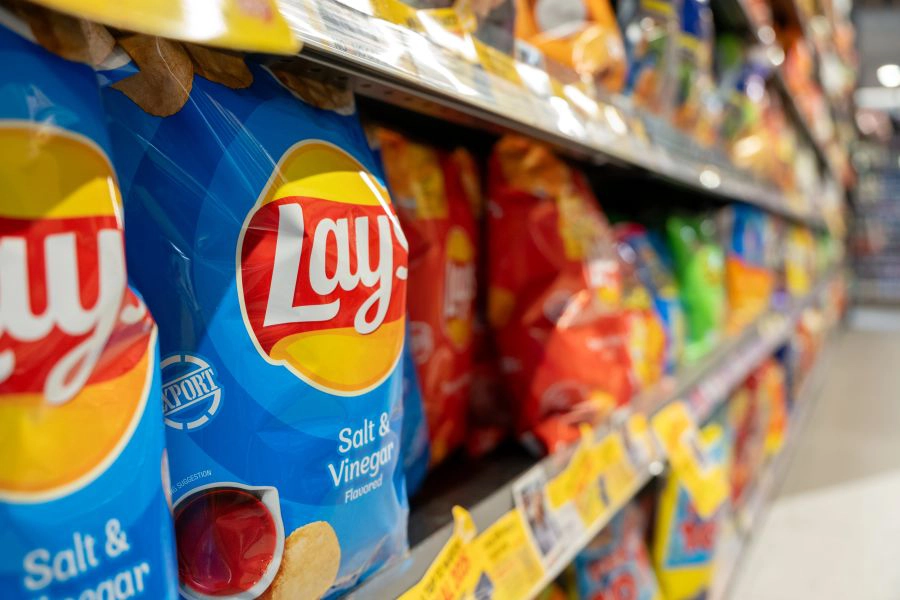 PepsiCo announced plans to close long-running Frito-Lay plants amid weakening demand and rising costs, marking a major shift in its North American snacks operations.
The GLP-1 movement: How weight management medication is reshaping F&B
As GLP-1 medications gain momentum to support weight management, the food and beverage industry is heavily influenced by the rise of this crucial behavioral and nutritional shift. Food Ingredients First examined how GLP-1 medications are reshaping nutrition-forward F&B as industry leaders respond to this emerging trend.
US F&B industry and political leaders clash over how to Make America Healthy Again
Senator Roger Marshall’s Better Food Disclosure Act aimed to close the GRAS loophole, but the Americans for Ingredient Transparency industry coalition opposed it, arguing it could increase costs and complicate state regulations. The debate highlighted tensions over federal versus state control in food safety.
Gut health goes mainstream: The new growth engine for functional F&B
Gut health has gone mainstream, with consumers increasingly viewing microbiome support as the gateway to holistic wellness. New data from Innova Market Insights showed a surge in global F&B launches making gut or digestive health claims amid rapid innovation in functional, clean label products. We explored this leading industry trend.
European Parliament backs one-year EUDR delay to December 2026
The European Parliament voted to back a one-year postponement of the EU Deforestation Regulation (EUDR), moving the landmark legislation toward its second delay since being adopted in 2023. The vote at the EU plenary in Strasbourg followed member states’ backing of the delay and the commission’s proposal in October.
Fi Europe 2025 preview: Nutritional demands drive food ingredient innovation
Ahead of Fi Europe 2025 in Paris, France (Dec 2–4), Food Ingredients First previewed next-wave sugar reduction, plant-based innovation, and how AI, blockchain, and digital platforms are redefining food safety transparency. We also spotlighted the finalists in the Fi Europe Innovation Awards 2025 in the following categories: Dairy Alternative Innovation, Sustainability Innovation, Future Foodtech Innovation, and Plant-Based Innovation.