


Limagrain Ingredients spotlights blue masa flour for clean label snack NPD


Key takeaways
- Limagrain Ingredients’ blue masa flour, made from traditional Mexican blue maize, supports clean label, gluten-free snack innovation.
- The ingredient targets snack NPD in Europe, especially Tex-Mex applications such as tortilla chips, stackable chips, and soft tortillas.
- Blue masa flour offers similar functionality, texture, and taste to yellow corn masa flour, while adding visual differentiation.
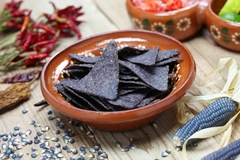
Retaining the sensory appeal in snacks formulated for clean label positioning is a challenge for F&B manufacturers. According to Limagrain Ingredients, blue masa flour, made from the traditional Mexican blue maize, can help companies develop gluten-free snacks with simple recipes that are also “visually striking” due to its blue-purple color.
Blue masa flour’s blue-purple color is due to the presence of anthocyanins naturally present in blue corn, giving it a unique visual identity over conventional yellow maize. The flour is positioned as a non-GMO ingredient made using 100% maize and aims to address rising consumer clean label expectations while enhancing the sensory appeal of snack products.
Blue maize is relatively underdeveloped in Europe, which is why Limagrain expects the “versatile” blue masa flour to open up new NPD opportunities for snack innovators. They can use the ingredient to develop differentiated snack concepts, especially in Texas-Mexican applications such as tortilla chips, stackable chips, and soft tortillas, as well as extruded snacks, pellets, and cereals.
Limagrain Ingredients, a Dutch natural and functional cereal-based ingredients company, identified the opportunity in bringing the ingredient — also well-established in the US snack sector — to the European market as a locally-grown solution produced in France, Marine Desaulty, category manager for Snacks & Breakfast cereals at the company’s’ marketing department, tells Food Ingredients First.
“We chose to focus on blue masa flour because it combines several key consumer trends: naturalness, clean label, authenticity, and visual differentiation. The ingredient delivers a naturally vibrant blue color, allowing manufacturers to create distinctive and premium-looking snack products without artificial additives.”
“We also see strong opportunities for storytelling around heritage, craftsmanship, and premium snack experiences.”
Blue corn prototypes highlight snack versatility
Limagrain Ingredients will showcase the blue masa flour ingredient in practical product concepts at the upcoming Snackex 2026 event in Lisbon, Portugal (June 17–18).
 Marine Desaulty: Blue masa flour delivers visual differentiation in snacks even at lower inclusion levels.“At Snackex, we are showcasing several blue corn snack prototypes, including blue tortilla chips and blue stackable chips. These demonstrations highlight both the strong visual appeal and the versatility of blue masa flour across different snack applications,” says Desaulty.
Snack manufacturers can use blue masa flour in the same way as traditional yellow corn masa flour, with no impact on functionality, texture, or taste, she adds.
“Blue masa flour behaves similarly to conventional yellow corn masa flour and integrates easily into a wide range of snack formulations. Its neutral corn taste allows it to pair well with many different seasonings, inclusions, and flavor profiles.”
“The incorporation level mainly depends on the snack format and the targeted profile. It can usually be used at inclusion rates between 70% and 100% in tortilla chip recipes, while maintaining the authentic corn taste and expected texture.”
Blue masa flour supports natural color stability
Natural color innovations help manufacturers offer simpler labels and healthier snack experiences to consumers. Their use in F&B launches is rising, with a 9% growth from 2021 to 2025, according to Innova Market Insights.
When manufacturers use blue masa flour with natural pigments like anthocyanins in products, concentration directly influences the visual intensity of the final product, Desaulty explains.
“Color stability mainly depends on processing and storage conditions, particularly temperature, processing intensity, oxygen exposure, and packaging conditions. Products with higher anthocyanin content generally retain a more visible blue color over time, even after processing.”
“Using adapted processing conditions and protective packaging solutions helps preserve both color intensity and product appearance throughout shelf life.”
The final color of the product can vary depending on the application, recipe composition, and incorporation level used in the formulation, she adds.
“At Limagrain Ingredients, we work closely with our customers to optimize formulations and processing parameters to achieve the right balance between color intensity, texture, and overall product performance.”
Integrated supply chain backs blue masa flour
Limagrain Ingredients’ farmers grow blue maize grown in central France, with a clear focus on supply chain integration, from seed selection to processing, says the company.
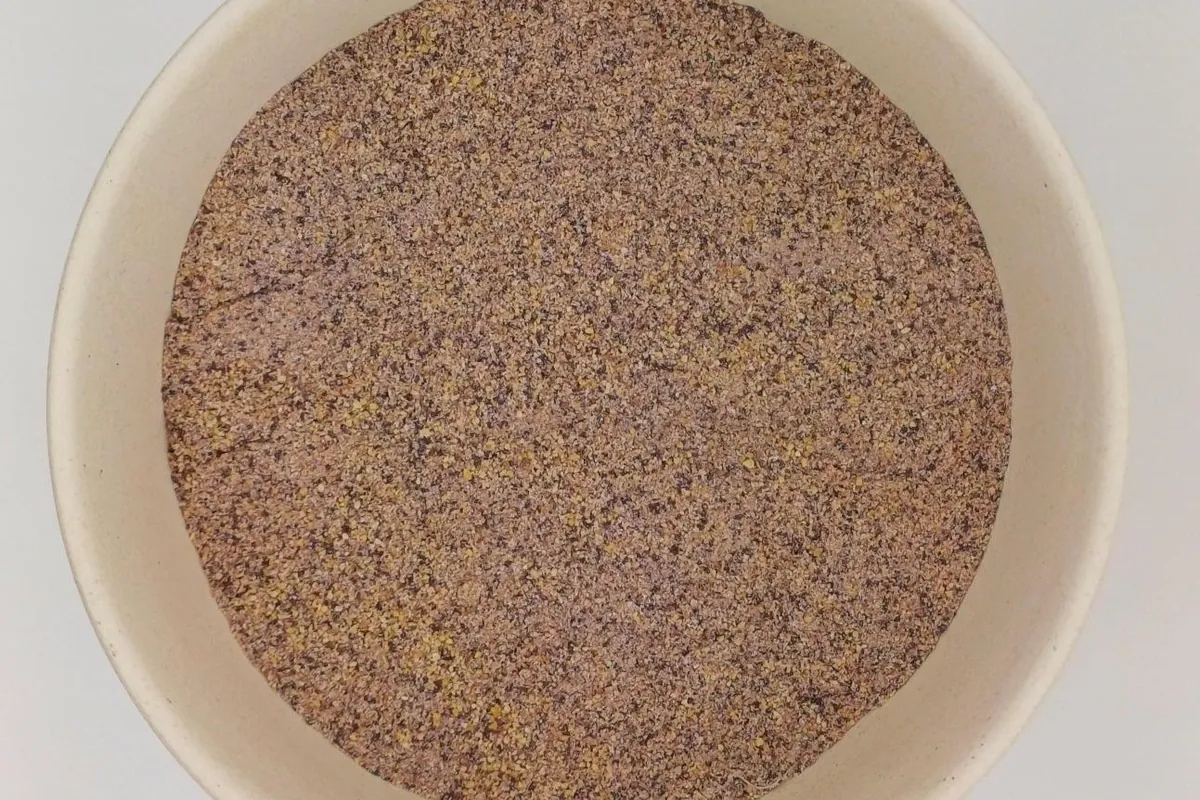 Blue masa flour has a neutral corn taste, making it suitable for many seasonings and flavor profiles in snacks (Image credit: Limagrain Ingredients).“Our blue maize is cultivated by farmers from our cooperative, ensuring local sourcing, full traceability, quality consistency, and supply reliability — a positioning that remains very limited in Europe today,” says Desaulty.
She points toward the company’s focus on raw material selection and agronomic expertise across the entire value chain, adding that it allows them to deliver “reliable ingredient performance while meeting growing expectations around transparency and sourcing.”
Blue maize supports future snack innovation
For Limagrain Ingredients, blue masa flour strongly reflects several long-term trends shaping the snack industry — naturalness, visual differentiation, and authenticity, underscores Desaulty.
“Color is becoming increasingly important for brands seeking shelf impact and social media visibility, while consumers continue to expect products with simple, recognizable, and minimally processed ingredients. Blue maize answers both expectations by providing a naturally sourced ingredient with a strong visual.”
“Looking ahead, we see blue masa flour supporting the development of more premium, experiential, and globally inspired snack concepts. It offers manufacturers opportunities to create visually distinctive products while maintaining the familiar taste and texture consumers enjoy,” she concludes.