






Kirin and RIKEN target heat and drought resilience in wine grapes


Key takeaways
- Kirin and RIKEN research ways to protect wine grape quality and yields from heat and drought.
- Field trials in Japan will assess adaptation under real growing conditions, with results yet to be reported.
- The project aims to support existing grape varieties and more efficient water use as climate pressures intensify.
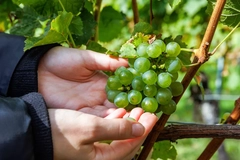
Kirin Holdings and Japan’s RIKEN Center for Sustainable Resource Science (RIKEN CSRS) have launched a joint research project, to protect the quality and yields of wine grape varieties as climate consequences mount.
The partners are investigating whether improving grapes’ ability to adapt to heat and drought can help farmers continue cultivating established varieties under changing climate conditions. Field trials have been underway since April 2026 at Château Mercian’s Mariko Vineyard in Nagano Prefecture, Japan.
The research also seeks to support more effective use of limited water resources. While irrigation can help cultivators manage dry conditions, securing enough agricultural water remains a challenge in water-stressed regions.
“Wine grapes are highly influenced by natural environmental factors such as climate, water availability, and soil conditions,” Kirin states in its announcement.
“As climate change advances, there is an increasing need for solutions that enable the stable cultivation of high-quality grapes.”
Plant science in the vineyard
Kirin’s Institute for Future Beverages is combining its research capabilities with RIKEN CSRS’s knowledge of how plants respond and adapt to environmental stress. Mercian is contributing cultivation expertise developed through its management of vineyards in Japan.
Researchers are assessing plant growth and environmental conditions in selected plots at the Mariko Vineyard in Ueda City. Testing in a working vineyard allows the team to evaluate performance as temperatures and rainfall fluctuate naturally, helping establish whether findings from plant stress research can translate into practical cultivation benefits.
The project remains at an early stage. Kirin has not yet disclosed the specific intervention being tested, the grape varieties involved, or a timetable for results. The release does not report measured water savings or improvements in grape quality or yield.
“At this stage, the research has only begun verification under actual cultivation conditions, and the effectiveness and potential applicability of the approach will be carefully assessed going forward,” the company states.
The partners will explore whether the approach could eventually support wine-producing regions in Japan and overseas, facing heat stress and water shortages.
Weather pressures extend across ingredient supply
The vineyard research comes as weather-related supply risks draw attention across the wider ingredients sector.
In August, we spoke to Rabobank about why a strengthening El Niño could put pressure on cocoa, palm oil, Robusta coffee, sugar, and Australian grains through 2026 and into 2027, with consequences for availability and prices.
Earlier coverage highlighted estimated losses of £828 million (US$1.1 billion) for UK arable farmers following that year’s heat and drought, underlining the financial exposure of agricultural raw material supply chains to extreme weather.